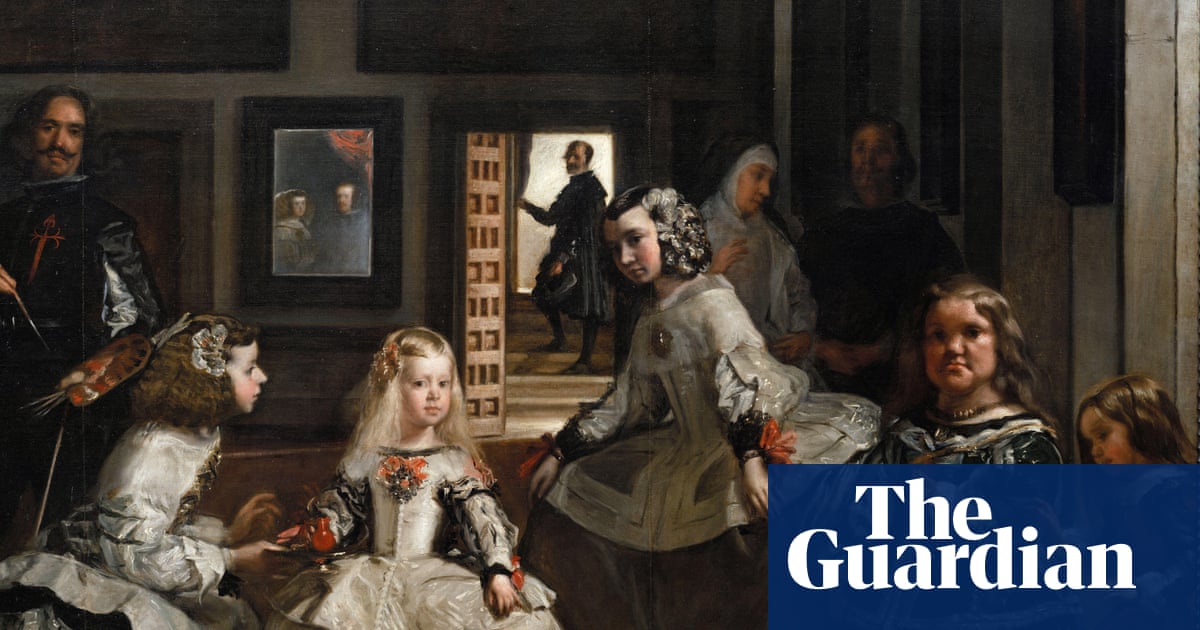
"The dog was the first animal to live companionably with humans, and Laqueur argues that this marks the boundary between nature and culture."
"Just having dogs in a picture snuffling for picnic crumbs in Seurat's La Grande Jatte or trooping home in Bruegel the Elder's Hunters in the Snow becomes a way for an artist to pack an image with extra resonance and second-order meaning."
"His special interest, though, is for those places where dogs are engaged in an act of looking."
"In Veronese's spectacular The Wedding Feast at Cana there are no fewer than six dogs on duty."
Paleolithic artists in the Chauvet cave focused on apex predators, with no dogs depicted. However, traces of canid pawprints alongside human footprints suggest a shared moment between a boy and a dog. Thomas Laqueur explores the significance of the dog's gaze, marking the dog as the first animal to live with humans. This relationship allows dogs to symbolize deeper meanings in art. Laqueur examines various artistic representations of dogs, particularly their engagement in acts of looking, enhancing the narrative and emotional depth of the artwork.
Read at www.theguardian.com
Unable to calculate read time
Collection
[
|
...
]