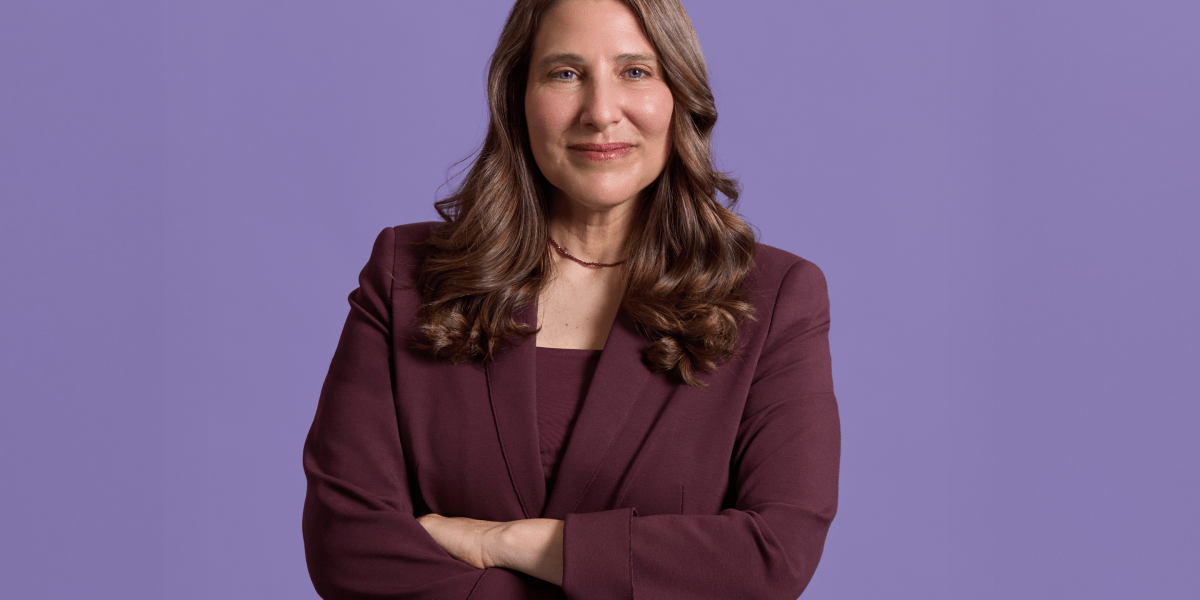
"For many CEOs, the workday begins before sunrise. Leaders like Nvidia's Jensen Huang, Apple's Tim Cook, and Disney's Bob Iger have all said punishingly early mornings and rigid routines are their preference-and essential to running a global company. Life360 CEO Lauren Antonoff takes a different approach. Rather than adhering to a tightly scripted daily schedule, Antonoff's workdays are best described as "organic"-shaped less by the clock than by the flow of her month."
""I really think about my routine less in terms of what the morning tonight is, and really what the rhythm is over the course of a month," she told Fortune. On a typical day, that means starting work around 8:30 a.m.-a leisurely pace by some CEO standards. From there, her schedule is dictated largely by her first meeting of the day."
"That flexibility, Antonoff noted, isn't accidental-and wouldn't have been possible without help at home. While she climbed the ladder to now lead a tech company with an over $7 billion market cap and took care of her household's finances, her husband took the lead at home. Though he has worked as a real estate broker and entrepreneur, he was largely a full-time stay-at-home parent while their children were growing up."
Many leading CEOs follow early, rigid routines, but Lauren Antonoff adopts an organic, month-oriented schedule. Typical workdays start around 8:30 a.m. and are shaped by the first meeting of the day. Daily work varies, with numerous meetings balanced by time for reading, reflection, and team communication. The flexible approach depended on a reversed household division: Antonoff managed finances and career while her husband handled childcare, cooking, and cleaning as a largely stay-at-home parent. She describes the arrangement as a reversed 1950s family structure and encourages families to choose practical arrangements rather than defaulting to tradition.
Read at Fortune
Unable to calculate read time
Collection
[
|
...
]