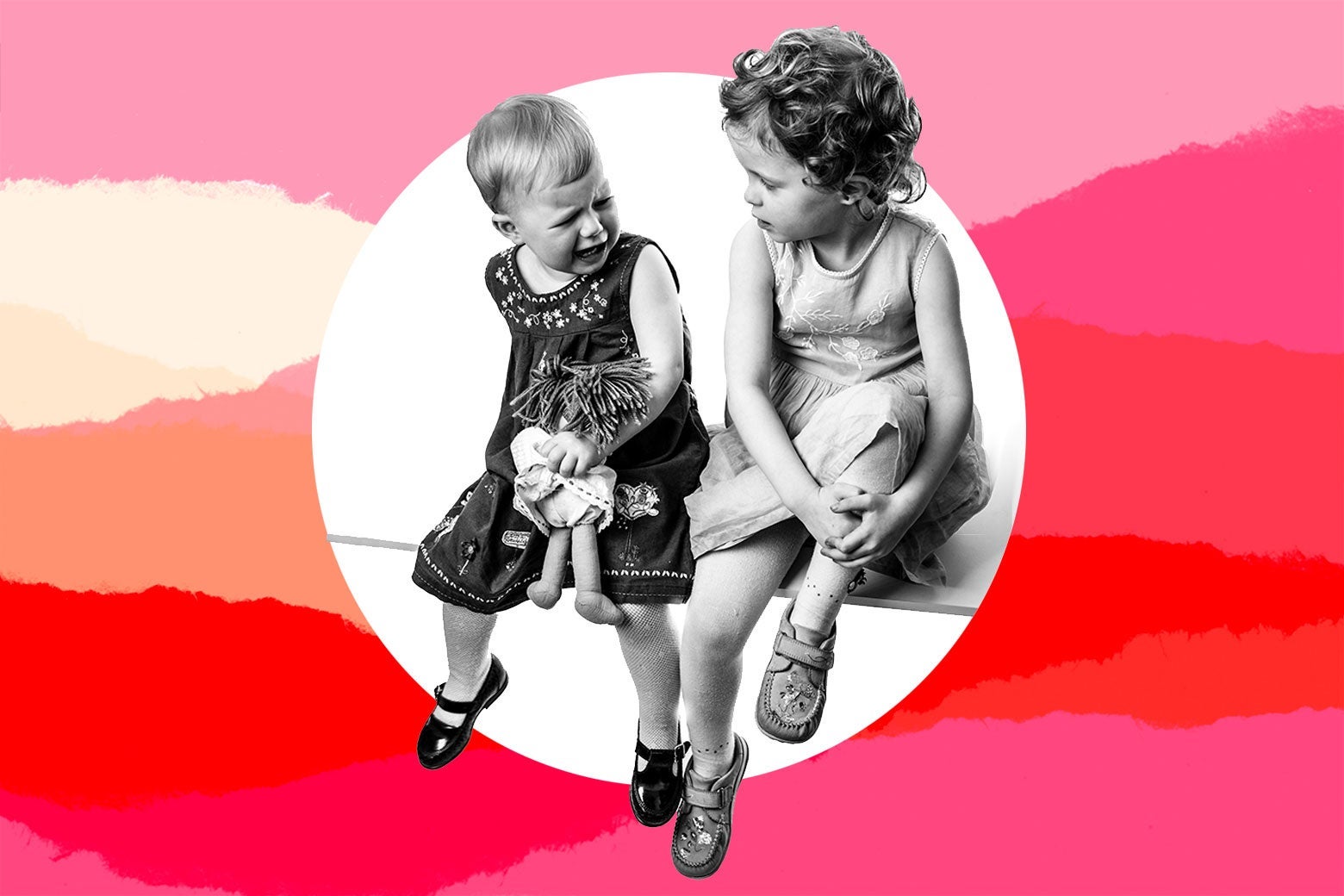
A parent of a four-year-old and an almost one-year-old wants the children to develop a sibling bond and become playmates. The older child sometimes becomes frustrated when the baby damages toys or causes messes. The parent reports their own childhood home was tumultuous and sibling relationships did not improve into adulthood. Outcomes for sibling relationships are unpredictable: some siblings who fight in childhood become close adults, while others remain only civil at family events. Parents can help by treating children equitably, avoiding favoritism, and fostering a supportive environment, though no guarantee exists.
"I really wish I could give you THE answer. Regrettably, thousands of years of human knowledge on this point has served up only this: It's a dang crapshoot. You have created two unique humans and sent them spinning off like tops into a very complex world. They may fight like cats and dogs as kids and become thick as thieves as adults, or they may be little buddies as kids and maintain (at best) a cool civility when forced to interact at weddings and funerals."
"I have two great kids who are 4 and almost 1. I think having a sibling bond is important and want my kids to like each other and grow to become playmates. My siblings and I did not get along well as children, and we never really became friends as adults. Our home life as kids was very tumultuous, and my siblings had issues that made socializing difficult."
"So far, my kids play fairly well together despite the age gap. Of course, my older one occasionally gets frustrated when the baby breaks block towers, tries to destroy Legos, or spits up on precious stuffed dinosaurs. Is there a magic formula for ensuring your kids become friends and playmates as they grow? How do I lay the groundwork for future success?"
Read at Slate Magazine
Unable to calculate read time
Collection
[
|
...
]