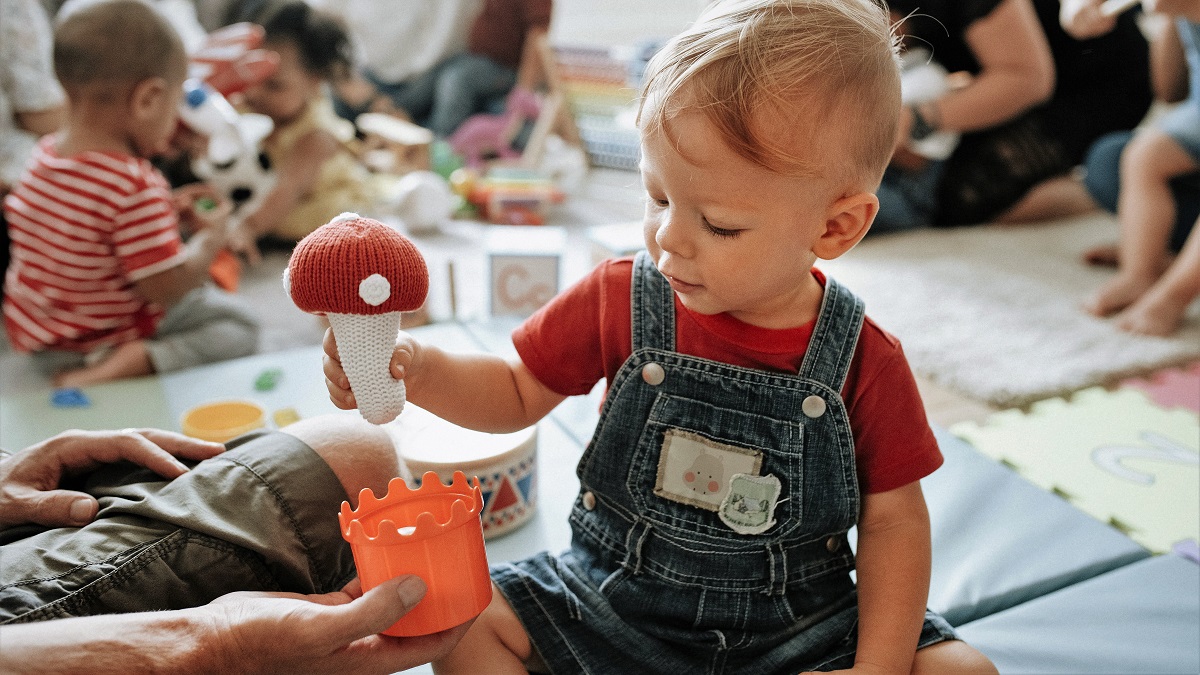
"About 14.7 million American children under age 6 have all their parents working, so most spend their days outside the home, usually in child care. These settings have an environmental impact that many parents never notice, including diapers, food waste, cleaning products, art supplies, packaging, and the indoor air children breathe for hours each day."
"Daycare is one of the most important places in a young child's life. The habits children learn there, like how they deal with waste, connect with nature, and what they expect from their food, often come home with them. This means a daycare's approach to sustainability matters for families, not just for the center itself. The good news is that about 70% of a typical preschool's waste can be reused, recycled, or composted, so most centers can make big improvements without spending a lot."
"Americans throw away about 2 0 billion disposable diapers each year, adding up to around 3.5 million tons of landfill waste. They are the third most common consumer item in U.S. landfills. The EPA says each diaper can take up to 500 years to break down and releases methane as it decomposes."
"The largest U.S. study to measure environmental contaminants in childcare facilities found formaldehyde levels exceeded California's chronic exposure guideline in 87% of centers tested, and indoor particulate matter exceeded 24-"
About 14.7 million American children under age 6 have both parents working, so many spend most weekdays in child care. Child care settings create environmental impacts through diapers, food waste, cleaning products, art supplies, packaging, and indoor air exposure. Habits formed in daycare, including waste handling, connection with nature, and expectations about food, carry into home life. Many preschool centers can reduce waste because about 70% of typical waste can be reused, recycled, or composted. Disposable diapers contribute major landfill volume and long breakdown times while releasing methane. Food waste can be very high in childcare programs, wasting resources such as carbon, water, and money. Large studies also find frequent exceedances of indoor contaminants like formaldehyde and particulate matter in childcare facilities.
Read at Earth911
Unable to calculate read time
Collection
[
|
...
]