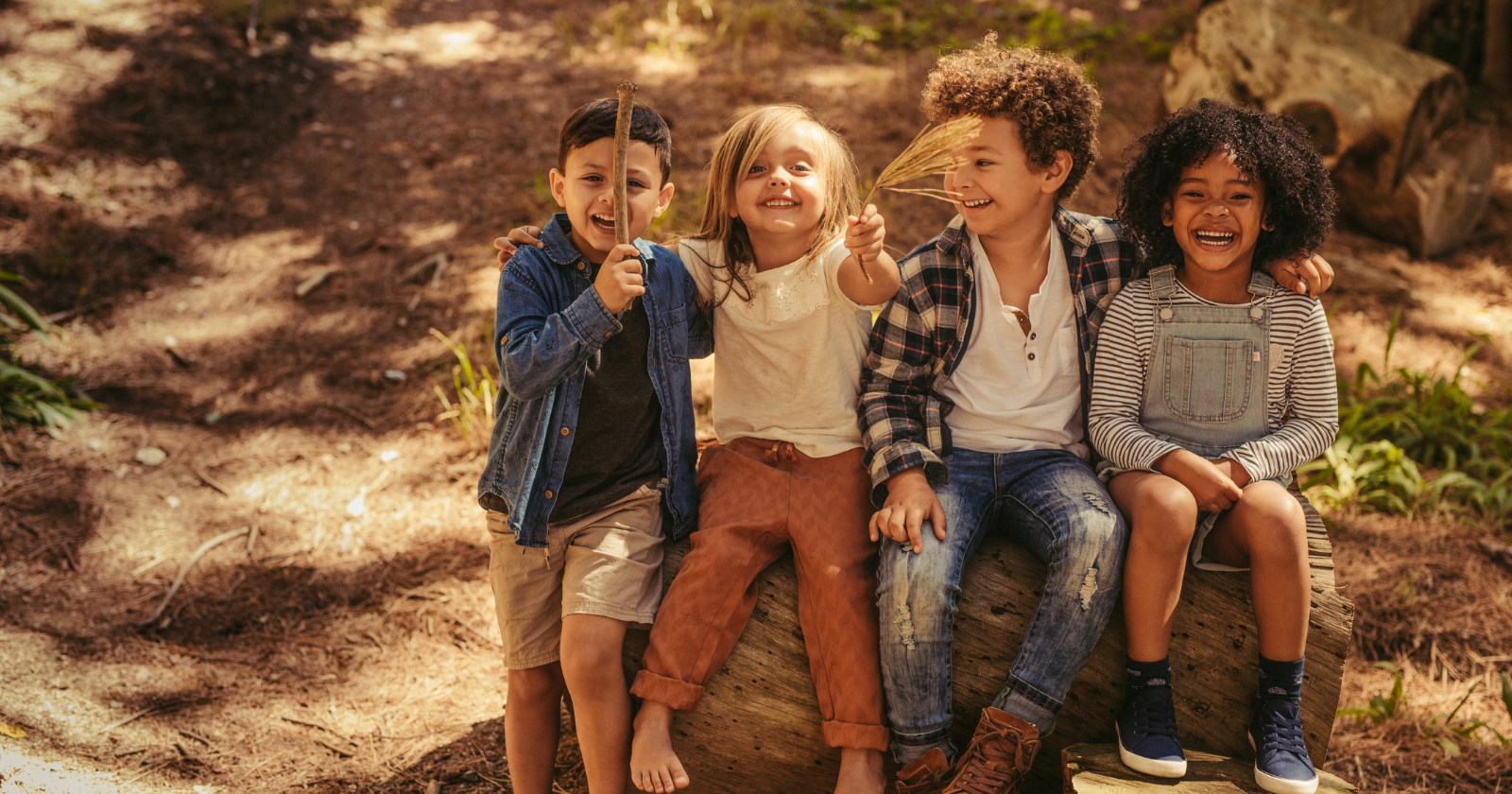
"Kids who grew up in the 1960s didn't have that option. When they were bored, they stayed bored. And then something interesting would happen. They'd build something, invent a game, wander into the woods, or just sit with their own thoughts until an idea showed up."
"The ability to tolerate boredom is closely connected to creativity, problem-solving, and emotional regulation. When you learn early that discomfort passes and that your own mind can be interesting company, you carry that with you into adulthood."
"Some of my best ideas come on long walks without podcasts, when I've let myself just think without any input. That capacity to sit in the quiet didn't come naturally to me. I had to build it."
"The specific conditions 1960s kids grew up in built strengths that are worth examining, as they contrast sharply with the experiences of today's youth."
Children in the 1960s experienced unstructured play, fostering resilience and creativity. They learned to handle boredom, which encouraged problem-solving and emotional regulation. Unlike today's youth, who often seek constant stimulation, those from the past developed skills to navigate conflicts independently. This ability to tolerate discomfort and engage with their own thoughts contributed to their personal growth. The differences in childhood experiences highlight the impact of environment on development and the strengths cultivated through less supervised, more exploratory play.
Read at Silicon Canals
Unable to calculate read time
Collection
[
|
...
]