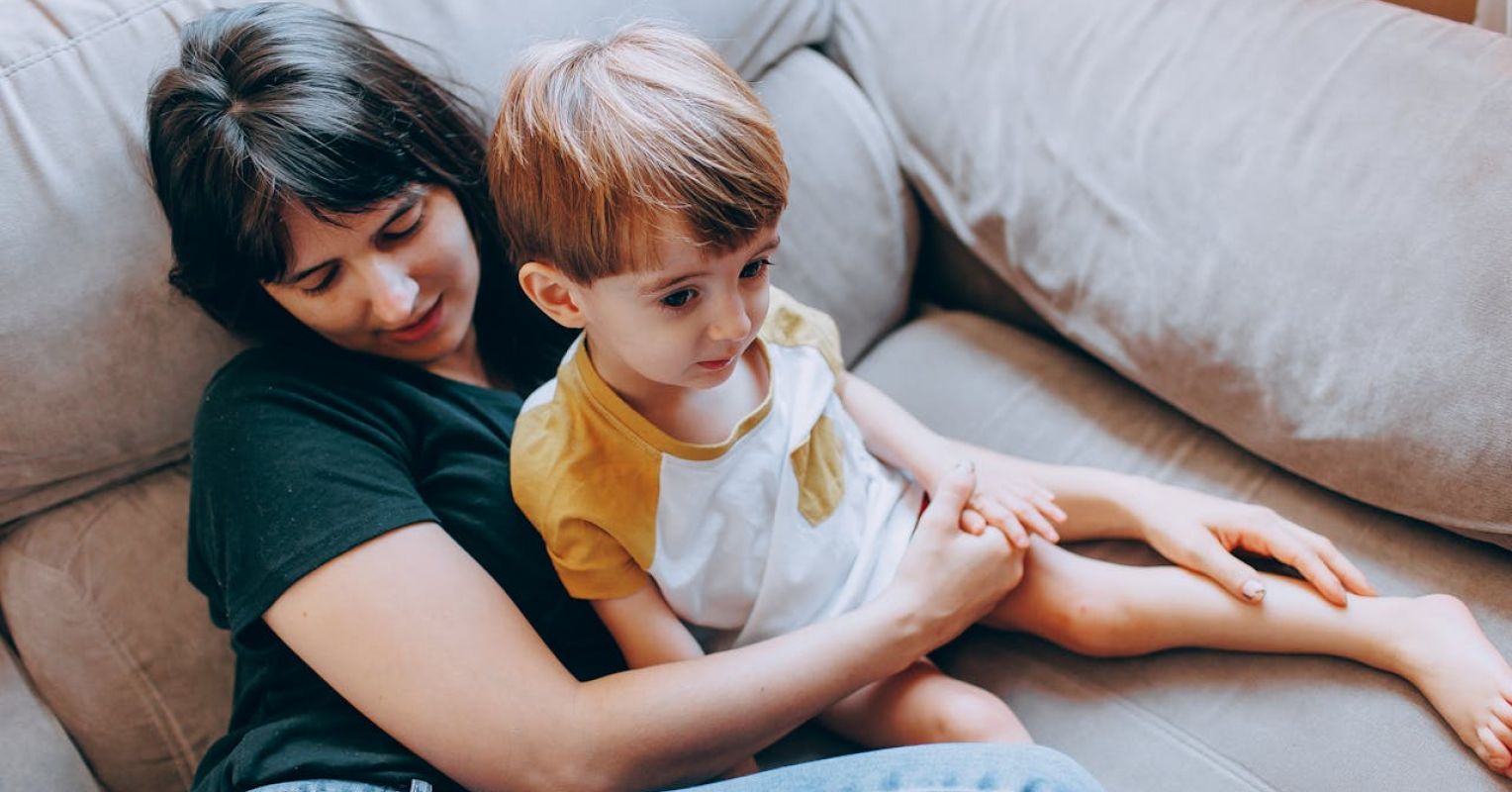
"The unspeakable, un-shareable truth was this: Kate loved her child, but she didn't like her very much. She was entirely devoted to her, would do anything for her, but she didn't actually enjoy being with her."
"When she confessed her feelings to her best friend, her friend immediately explained to Kate why everything she was 'complaining' about, that she didn't like, was age-appropriate behavior for a teenager. She told Kate that her feelings were not about her daughter at all, but about the parts of herself she didn't like, and that she needed to get over it and stop blaming her child for her own issues."
"But all roads led back to the same place: Kate's feelings were her fault and they meant that something was fundamentally wrong with her, and that she was a bad mother. It most certainly was not OK to feel the way she felt."
Many mothers experience the complex reality of loving their children while not particularly liking them, yet this ambivalence remains largely unspoken due to social taboos surrounding motherhood. Kate, a well-adjusted woman in her mid-40s, sought therapy specifically to address her inability to discuss this feeling with anyone in her life. When she attempted to share her experience with her best friend, she was met with judgment and blame, being told her feelings reflected personal flaws rather than normal parental ambivalence. The cultural expectation of idealized motherhood creates an environment where mothers feel unable to express natural, complex emotions without facing accusations of being inadequate or harmful parents.
#maternal-ambivalence #parenting-taboos #motherhood-stigma #emotional-complexity-in-parenting #social-expectations
Read at Psychology Today
Unable to calculate read time
Collection
[
|
...
]