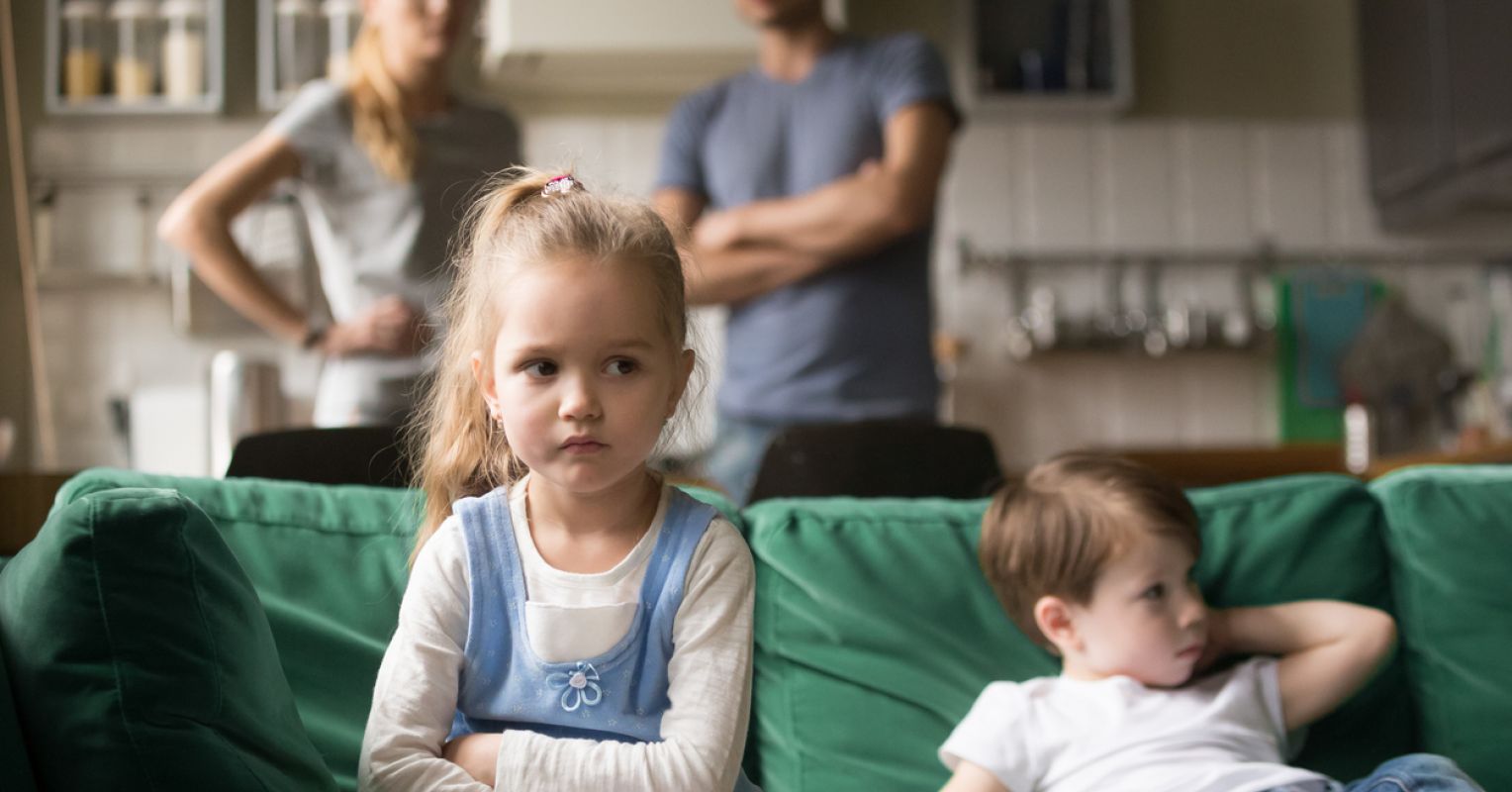
"One of the gut-punches about parenting is this: Our kids learn far more from what we model than from what we say. If we regularly lose our temper but tell them that yelling and name-calling are unacceptable, we're creating confusion-and often little tyrants. If we urge them to choose caring, steady partners while we stay in volatile or unkind relationships, we're teaching them that chaos and meanness are what love looks like-and therefore "normal.""
"Conflict isn't a sign that something is wrong-it's a sign that two real humans are sharing a life. Even the most compatible people have differences, and those differences sometimes result in conflict. And that's okay! Healthy conflict is how people clarify needs, deepen understanding, and reinforce boundaries. Parents often hear, 'Don't argue in front of the kids.' And yes-constant, hostile conflict is destabilizing."
Children learn relationship patterns primarily by observing parental behavior. Modeling angry, volatile, or avoidant interactions teaches children that yelling, meanness, or suppressed needs are normal. Shielding children from all conflict prevents them from learning healthy disagreement, including firmness, honesty, and repair. Over-rescuing signals that discomfort is dangerous and encourages avoidance of challenge. When parents erase their own needs, children internalize self-neglect as relational currency. Persistent emotional-labor imbalances at home become the template children carry into adult partnerships. Demonstrating respectful conflict resolution, boundary-setting, and equitable emotional labor gives children healthier blueprints for relationships.
Read at Psychology Today
Unable to calculate read time
Collection
[
|
...
]