"For much of the last decade, fact-checking organizations have measured their value through familiar journalism metrics: articles published, traffic generated, audience numbers, and citations from politicians, academics or other relevant actors in the public debate."
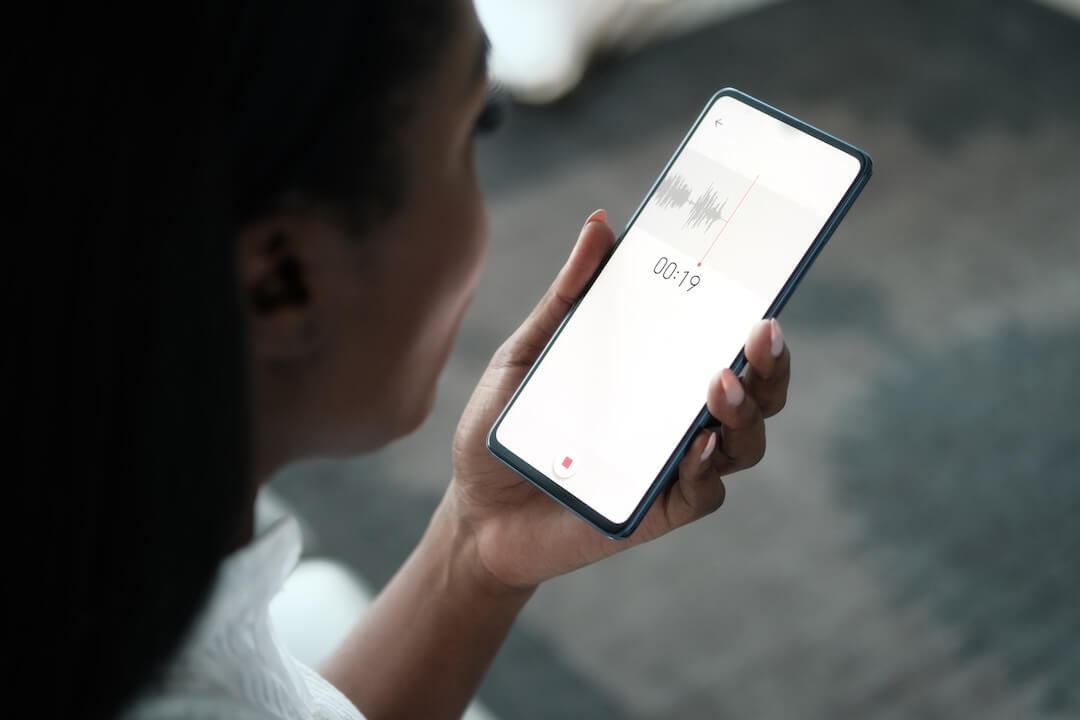
"Today, many of the most influential falsehoods move through forwarded voice notes, WhatsApp groups, neighborhood chats, local influencers and informal networks of trust."
"If it wants to continue to matter, fact-checking must stop imagining itself only as an editorial product and begin acting as a form of civic infrastructure."
"People increasingly consume news in semi-private or closed environments, relying on formats that are fast, emotional, visual and easily shared."
Fact-checking organizations have traditionally measured their impact through metrics like articles published and audience numbers. However, the landscape of misinformation has shifted significantly. Falsehoods now circulate through informal networks such as WhatsApp and local influencers, often shared without malicious intent. To remain relevant, fact-checking must transition from being viewed solely as an editorial product to functioning as civic infrastructure. This requires an understanding of the fragmented information ecosystem where news is consumed in semi-private spaces and trusted messengers play a crucial role.
Read at Poynter
Unable to calculate read time
Collection
[
|
...
]