"Essentially what we found is that the populations that recovered are also the populations that evolved the fastest. This is one species, but it's a really good indicator for drought adaptation. Conservation is a complicated calculus, and this gives greater information to decisionmakers that can be integrated with other types of knowledge - it's another arrow in our quiver to try to conserve species."
"From seeds, they sequenced whole genomes across many different populations of monkeyflowers. They found that the flowers within the three populations that rebounded best commonly had mutations linked to drought tolerance."
"More studies are needed to understand why some populations persist in a rapidly changing planet whereas others disappear. Still, solace can be found in the fact that evolutionary rescue is possible in nature."
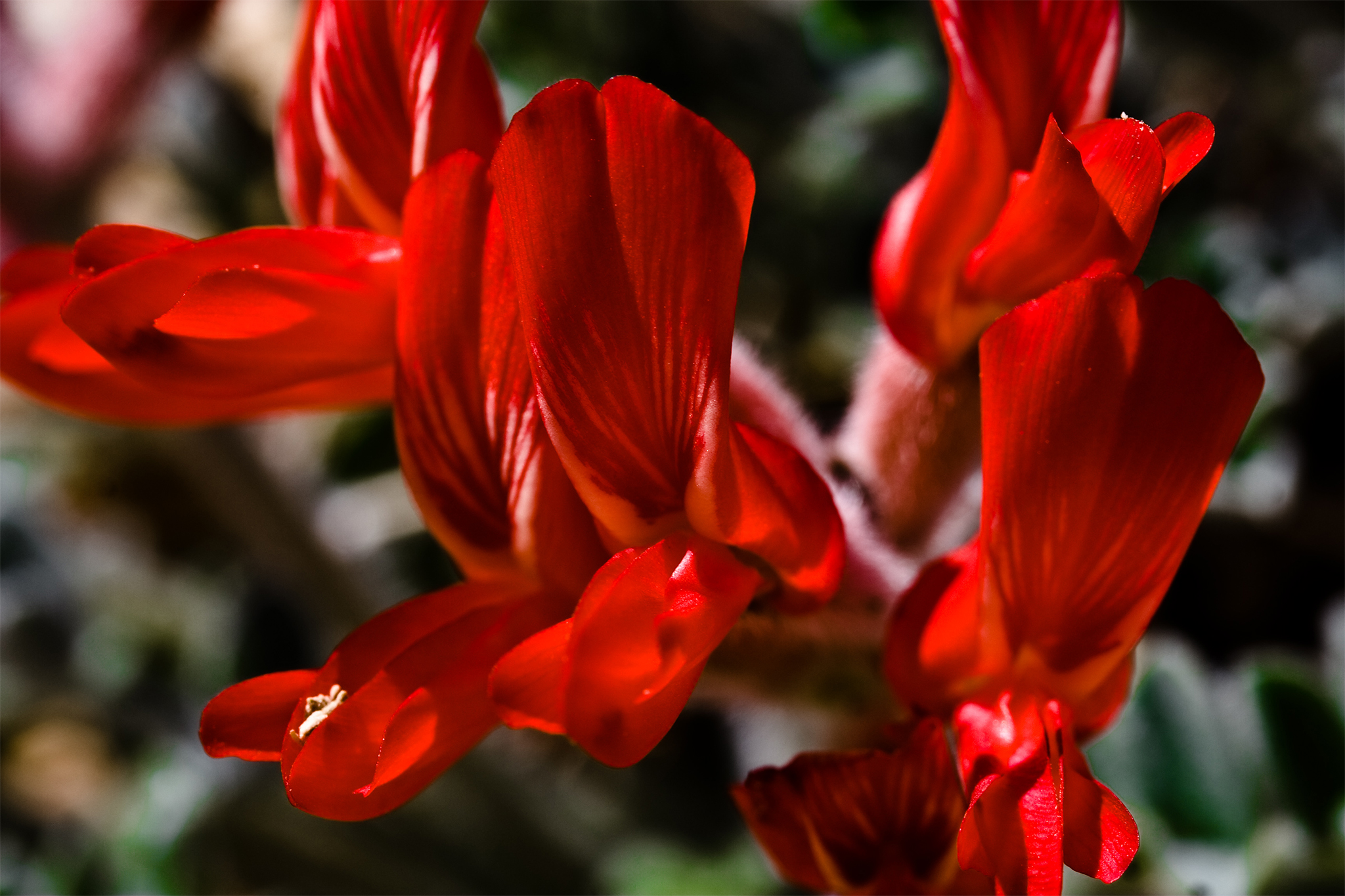
During California's most severe drought in over 10,000 years from 2012 to 2015, scarlet monkeyflowers demonstrated rapid evolutionary adaptation to survive without adequate rainfall. Researchers tracked monkeyflower populations along the West Coast for eight years, sequencing whole genomes across multiple populations before and after the drought. Populations that recovered most successfully possessed common mutations linked to drought tolerance, providing rare evidence of evolutionary rescue occurring in nature outside laboratory conditions. This phenomenon shows how species can rapidly evolve survival mechanisms in response to climate change, offering valuable insights for conservation strategies and species preservation efforts.
Read at SFGATE
Unable to calculate read time
Collection
[
|
...
]