"The U.S. Environmental Protection Agency designated microplastics as an emerging priority for future drinking water oversight, while the Department of Health and Human Services launched a nationwide research initiative to detect and remove microplastics from the human body."
"Millions of washing machines release microscopic plastic fibers from synthetic clothing into wastewater systems, which ultimately enter rivers, oceans, and the food chain, highlighting a significant source of pollution."
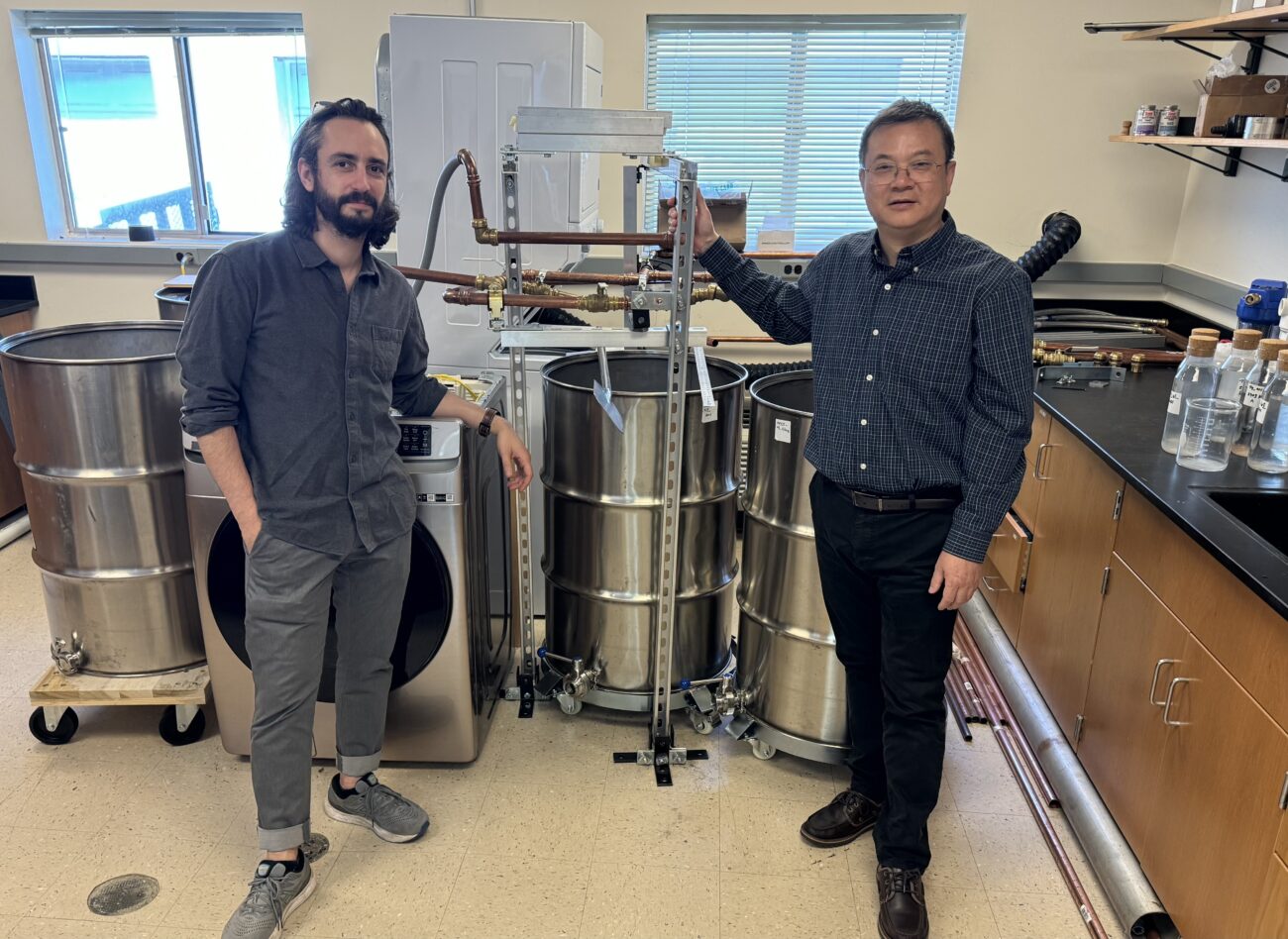
"Students in Columbia's sustainability programs began asking, 'What if we could stop microplastics at the source?' and collaborated with researchers to develop a microplastic filtration system for laundry."
"The collaboration between students and researchers has evolved into a larger initiative aimed at creating measurable environmental solutions to combat the microplastic problem."
The U.S. Environmental Protection Agency has designated microplastics as a priority for drinking water oversight. The Department of Health and Human Services initiated research to detect and remove microplastics from humans. A significant source of microplastic pollution is washing machines, which release microscopic fibers from synthetic clothing into wastewater systems. Students from Columbia's sustainability programs are addressing this issue by developing a microplastic filtration system to capture fibers during laundry, transforming academic research into practical solutions.
Read at State of the Planet
Unable to calculate read time
Collection
[
|
...
]