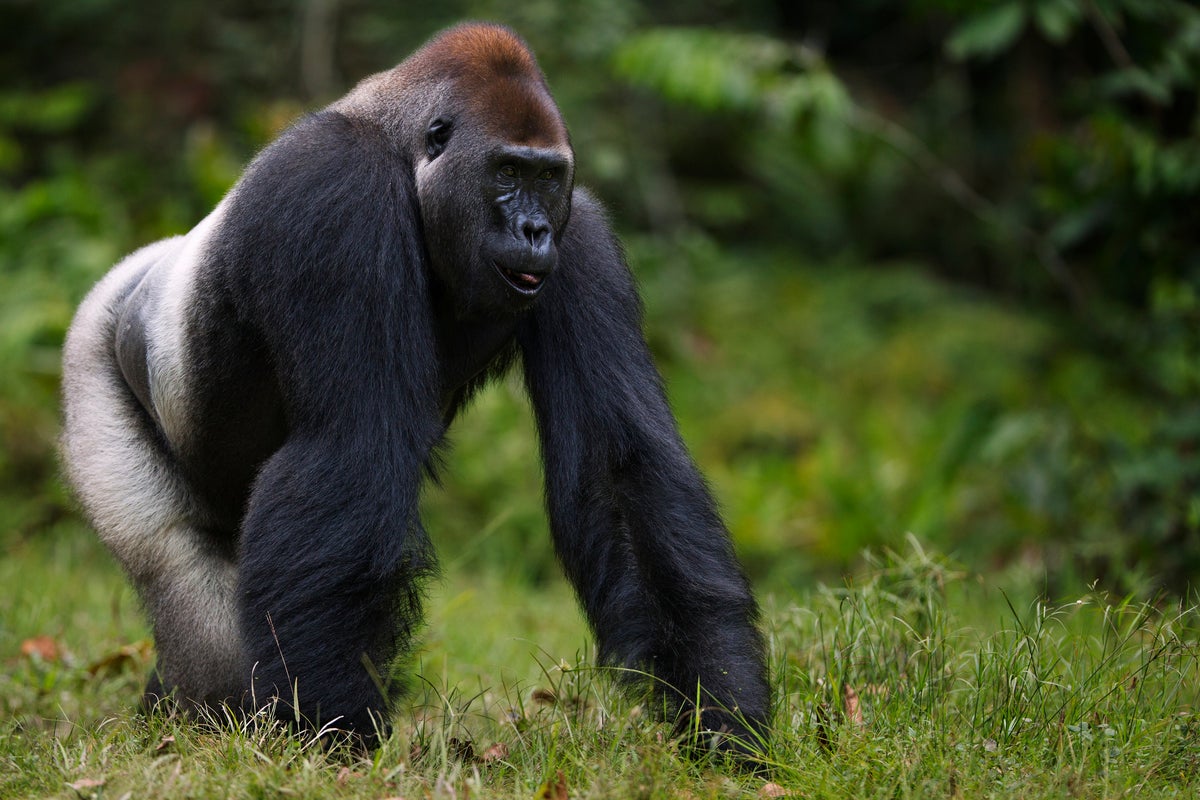
Scientists estimate the human and ape lineages split between eight million and six million years ago, producing nonhuman apes and hominins. No fossil exists for the last common ancestor, so researchers use other evidence, including wrist fossils from extinct hominins and anatomy of modern apes and humans. A study in Proceedings of the Royal Society B analyzed scans of wristbones from gorillas, orangutans, and chimpanzees, along with more than 50 hominin wristbone fossils. The results indicate that humans and African apes share wrist traits that may relate to knuckle-walking. Additional research is needed to determine how more ancient human species used these traits.
"In the absence of any fossil of this last common ancestor, it's difficult for scientists to know what this creature may have looked like or how it behaved. While the search for such a fossil continues, some researchers have turned to other, less direct means of studying our ancient lineage, including fossils of extinct human cousins in the family tree, as well as the biology of modern humans and apes."
"In a new study published on Tuesday in the journal Proceedings of the Royal Society B: Biological Sciences, researchers utilized both methodsthey analyzed scans of wristbones from nonhuman primates such as gorillas, orangutans and chimpanzees, as well as more than 50 hominin wristbone fossils. They found evidence that humans and our closest primate relativesAfrican apesshare wrist traits that may be related to walking on knuckles, although more research is needed to say definitively what a more ancient human species used those traits for, the authors say."
Read at www.scientificamerican.com
Unable to calculate read time
Collection
[
|
...
]