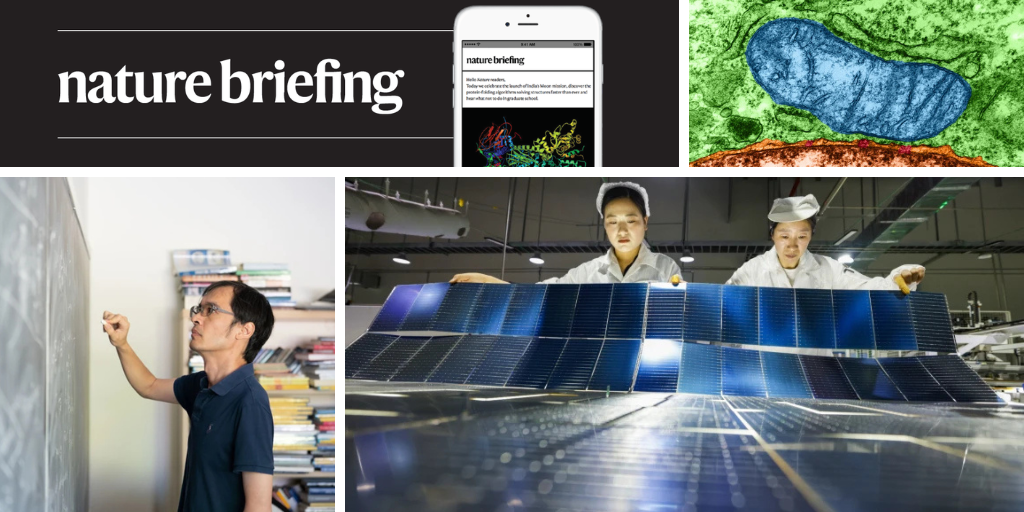
Mitochondria, the energy producers in cells, can shed their outer layer to create new compartments that digest molecular waste when a parasite invades. These new organelles may facilitate the parasite's growth by providing access to degraded materials. This phenomenon supports the theory that ancient mitochondria contributed to the evolution of complex cells by forming new membrane sacs. Additionally, China's intellectual-property regulator has helped commercialize around 80,000 patents from universities, aiming to enhance the translation of research into practical applications.
"When a parasite invades a cell, mitochondria - the cell's energy producers - respond by shedding their outer layer to form new cellular compartments that digest molecular trash. These new organelles help the parasite to proliferate, possibly because the invader can feed off the degraded material inside the tiny compartments."
"The findings lend credence to the hypothesis that ancient mitochondria gave rise to the first organelles in complex cells by shedding their outer layer to form new membrane sacs."
Read at Nature
Unable to calculate read time
Collection
[
|
...
]