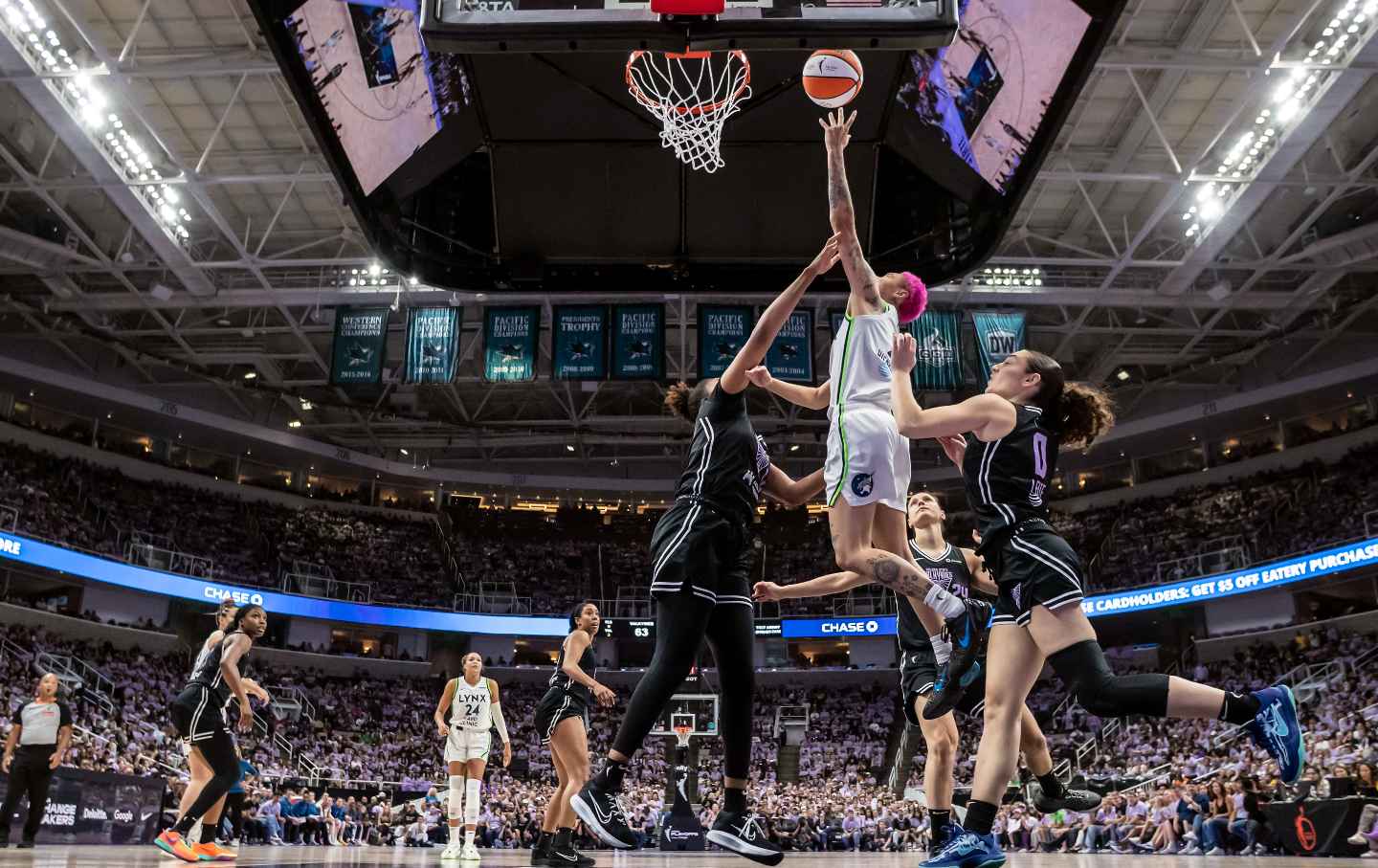
"In 2024, the WNBA delivered its most-watched regular season in 24 years, finished with its highest attendance in 22 years, and set records for digital consumption and merchandise sales. The league is experiencing unprecedented growth, with a $2.2 billion media rights deal and franchise valuations reaching hundreds of millions of dollars. Despite this financial windfall, the athletes driving this success find themselves locked in a pitched battle with league leadership that many see as rooted in corporate greed and a stubborn refusal to share the profits they've helped generate."
"Are Commissioner Cathy Engelbert, NBA Commissioner Adam Silver, and the league's billionaire owners truly invested in the players who built this cultural movement, or are they simply maximizing profits while maintaining iron-fisted control? The owners have proposed a raise in minimum salary from around $66,000 to $225,000 with a $1 million base for the league's top players. But the union is seeking to have the salary cap tied to the league's growth, similar to the structure the NBA uses."
"As the November 30 deadline for a new collective bargaining agreement approached-following a 30-day extension from the original October 31 expiration-pressure built on both sides, leading to an extension of the current bargaining agreement to January 9, 2026 and buying more time to finalize a new deal."
The WNBA experienced record viewership, attendance, digital consumption, merchandise sales, a $2.2 billion media rights deal, and rising franchise valuations in 2024. Players and league leadership entered contentious collective bargaining negotiations as revenue surged. A November 30 deadline was extended and the current agreement pushed to January 9, 2026 to allow further talks. Owners proposed raising minimum salaries and establishing a $1 million base for top players, while the players’ union seeks a salary-cap model tied to league growth similar to the NBA. The dispute centers on how revenue gains should be shared between owners and athletes.
Read at The Nation
Unable to calculate read time
Collection
[
|
...
]