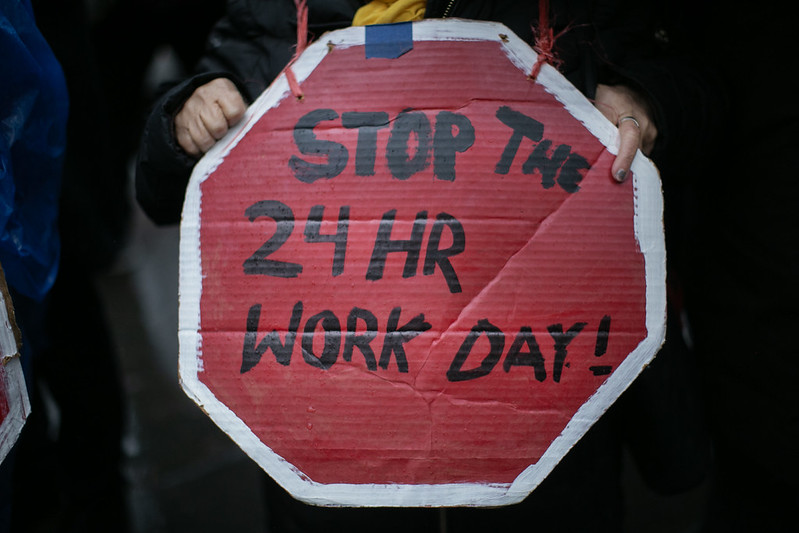
The current 24-hour home care shift model is described as broken, exploitative, inhumane, and overdue for reform. Workers should not be expected to labor all day, often through the night, without real rest or fair compensation. The proposal is criticized for treating a slogan as a solution and for imposing local mandates on a Medicaid-authorized, regulated, and largely Medicaid-funded system without securing state approval. It is said to fail to include reimbursement reform or funding to replace existing care hours. The result would be stripping essential services from older New Yorkers and people with disabilities who rely on round-the-clock care, with consequences including institutionalization, hospitalization, or isolation.
"Imagine waking each morning knowing that your ability to get out of bed, bathe, eat, use the bathroom, travel to work, or simply remain in your own home depends on someone showing up to provide the care that makes independent living possible. Imagine knowing that without that care, the alternative is not inconvenience-it is institutionalization, hospitalization, or isolation behind a closed apartment door. For thousands of older New Yorkers and New Yorkers with disabilities who rely on round-the-clock home care, that fear is no abstraction. It is immediate, it is personal, and under the City Council's misguided approach to reforming 24-hour shifts, it is becoming dangerously real."
"We know the current 24-hour shift model is broken. No worker should be expected to labor for an entire day, often through the night, often without real rest, and too often without fair compensation. It is exploitative, inhumane, and long overdue for reform. The Legal Aid Society represents home care workers who have endured exactly those conditions, and we have long supported efforts to end their exploitation."
"But the City Council's current proposal mistakes a slogan for a solution. By imposing local mandates on a home care system that is authorized, regulated, and overwhelmingly funded through New York State Medicaid-without securing state approval, reimbursement reform, or the funding needed to replace existing care hours-the Council is advancing a plan that, if enacted, would strip essential services from the very New Yorkers it claims to protect while failing to deliver a workable path forward for workers."
"The problem is straightforward. New York City cannot successfully remake a home care system on its own when New York State authorizes, regulates, and finances it through Medicaid. Re"
Read at City Limits
Unable to calculate read time
Collection
[
|
...
]