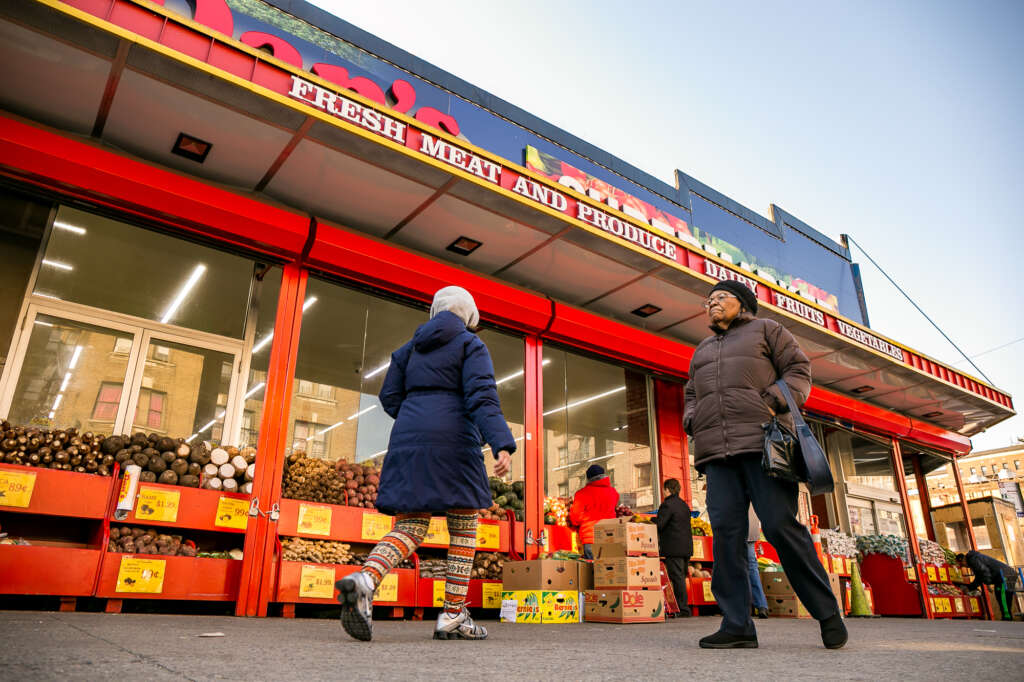
"More than 1.7 million New Yorkers, or roughly one in five residents, rely on SNAP to afford groceries. In the Bronx, where participation rates are the highest in the city, roughly one in three residents depends on the program."
"Nationwide, roughly 80 percent of SNAP purchases occur at large grocery retailers, while farmers markets account for less than 1 percent of transactions. But in New York City, several of the programs designed to stretch SNAP dollars operate primarily within the farmers market system."
"Programs intended to fight hunger should be built around where SNAP shoppers actually buy food. The city's flagship incentive, Health Bucks, offers $2 coupons for fruits and vegetables that can be earned and spent primarily at farmers markets."
"Most SNAP households shop at supermarkets or neighborhood grocery stores where they can purchase all their groceries in one trip. Work schedules, transportation constraints, and childcare responsibilities often make multiple shopping trips unrealistic."
Over 1.7 million New Yorkers rely on SNAP for groceries, with many depending on supermarkets rather than farmers markets. Current nutrition incentive programs, like Health Bucks, primarily operate at farmers markets, which do not reflect where most SNAP users shop. This mismatch limits the effectiveness of these programs. To effectively combat hunger, programs should be designed around the shopping habits of low-income residents, focusing on supermarkets and discount grocers where they typically purchase food.
Read at City Limits
Unable to calculate read time
Collection
[
|
...
]