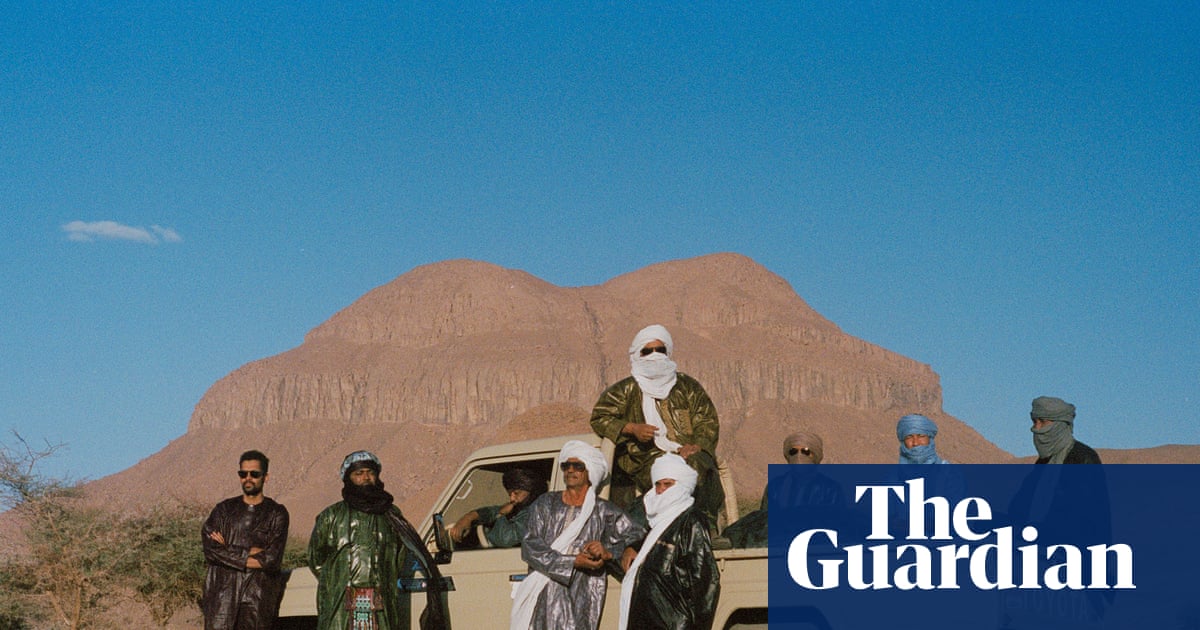
Tinariwen, a Grammy-winning Tuareg guitar band formed in 1979, has used desert blues music to chronicle the refugee experiences of the Tuareg people across the Sahara. Currently based in Algeria after fleeing Mali in October 2024, band members witnessed military violence, village burnings, and human rights abuses perpetrated by Malian forces and Russian mercenary group Wagner. Their 10th studio album, Hoggar, directly addresses this ongoing conflict through 11 tracks combining traditional Tuareg rhythms with finger-picked guitar and vocal harmonies. Songs like Aba Malik condemn Wagner's actions, while Erghad Afewo explores tribal tensions among Tuareg communities. The album serves as a musical testimony to atrocities receiving minimal international media attention, with the band seeking autonomy rather than independence for their people.
"No one is talking about what is happening—no politicians or journalists—so we have to let the world know through our music. While the Tuareg people are traditionally nomadic, living across the Saharan desert, the region's increasingly complex politics have often placed them in violent situations."
"Across the 11 tracks, the group pairs the gently tripping classic Tuareg rhythm—sometimes likened to the gait of a camel—with finger-picked guitar lines and the husky might of group vocal harmonies. On Aba Malik, a sparse and quietly swelling guitar melody accompanies clattering tende drum rhythm, and the emotive, time-worn baritone of co-founder Ibrahim Ag Alhabib, who sings about the abuses of the Wagner group."
"Most recently, clashes on the northern Mali border between encroaching Islamist militant groups, the Malian military, Tuareg rebel groups and Wagner mercenaries have caused mass displacements and human rights abuses in the country. It's a harrowing conflict that now takes centre stage on Tinariwen's 10th studio album, Hoggar."
Read at www.theguardian.com
Unable to calculate read time
Collection
[
|
...
]