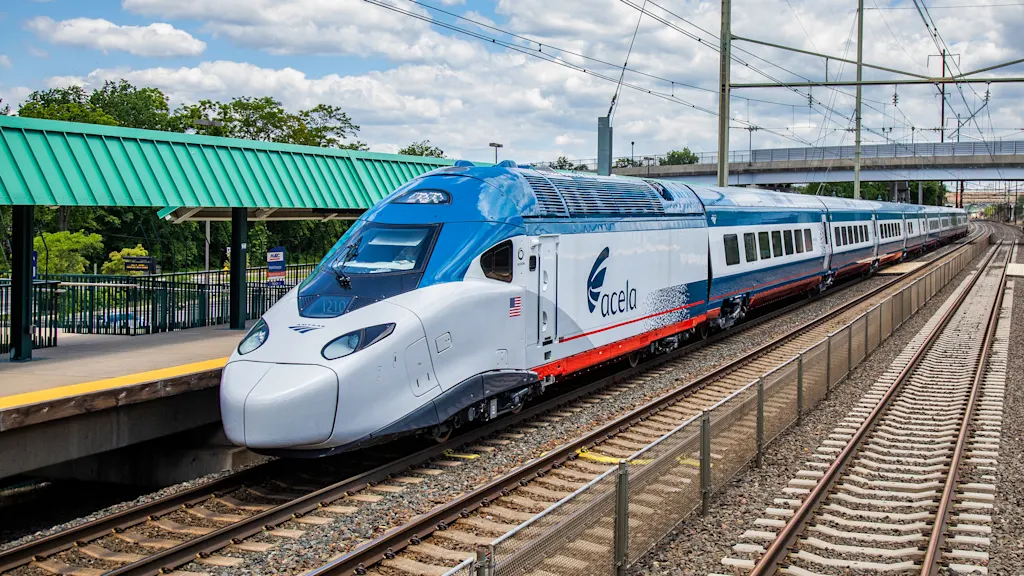
High-speed rail systems exist worldwide, with Japan's bullet train beginning service in 1964 and China set to have about 31,000 miles (50,000 kilometers) of high-speed track by the end of 2025. The fastest trains in Europe approach 200 mph (320 kph). High-speed rail remains absent from most of the United States. Conventional rail typically operates under 80 mph (129 kph), higher-speed rail falls roughly between 90 and 125 mph (144 to 201 kph), and high-speed rail begins at about 150 mph (241 kph). High-speed service also requires different, dedicated infrastructure, creating major implementation challenges.
"High-speed rail systems are found all over the globe. Japan's bullet train began operating in 1964. China will have 31,000 miles (50,000 kilometers) of high-speed track by the end of 2025. The fastest train in Europe goes almost 200 mph (320 kph). Yet high-speed rail remains absent from most of the U.S. Stephen Mattingly, a civil engineering professor at the University of Texas at Arlington, explains why high-speed rail projects in much of the country so often go off track."
"How is high-speed rail different from conventional trains? Stephen Mattingly: With conventional rail, we're usually looking at speeds of less than 80 mph (129 kph). Higher-speed rail is somewhere between 90, maybe up to 125 mph (144 to 201 kph). And high-speed rail is 150 mph (241 kph) or faster. There's also a difference in the infrastructure for these different rail lines."
Read at Fast Company
Unable to calculate read time
Collection
[
|
...
]