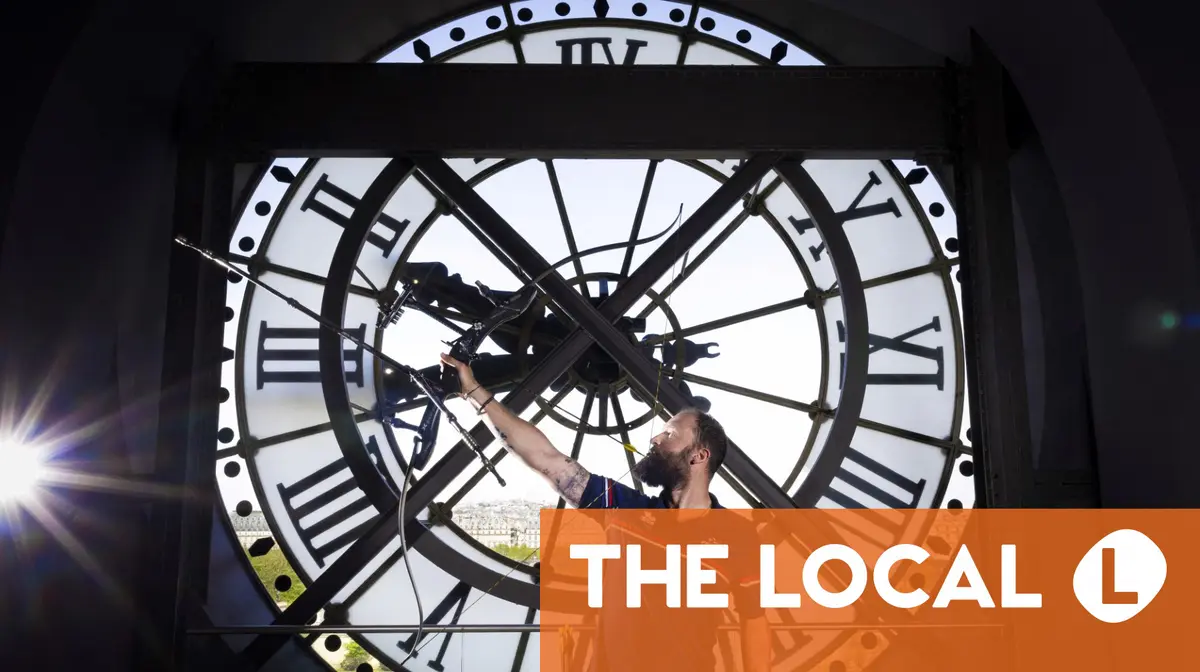
"On the morning of Sunday, October 27th, people across Europe will turn the clock back by one hour, leading to lighter mornings and darker evenings. This means that people will gain an hour of sleep on Sunday - good news if you've been to an early Halloween party - and marks the end of daylight savings time. But wasn't this supposed to change? What happened to the idea circulated in the European Union some years ago of no longer having these twice-yearly seasonal time changes?"
"In 2018, the European Commission launched a public consultation asking people what they thought of scrapping the time changes. It was the most successful EU consultation ever: 4.6 million people participated, in some cases representing a signification portion of the national population (3.79 per cent for Germany and 2.94 per cent for Austria). People overwhelmingly said they wanted to stop moving the clock back and forward every six months - in fact 84 per cent of respondents agreed with the proposal."
"Negative health impacts, including sleep disruption, the lack of energy savings and an increase in road accidents were the most common reasons to justify the idea. On that basis, in 2018 the Commission proposed legislation to end seasonal clock changes. This had to be approved by the European Parliament and by national governments represented at the EU Council. The European Parliament in 2019 supported the proposal by a large majority suggesting time changes should be scrapped in 2021."
On Sunday, October 27 people across Europe will turn clocks back one hour, producing lighter mornings, darker evenings and one extra hour of sleep while marking the end of daylight saving time. A 2018 European Commission public consultation attracted 4.6 million responses, with 84% favoring ending twice-yearly clock changes. Respondents cited sleep disruption, limited energy savings and higher road-accident risk. The Commission proposed legislation in 2018 and the European Parliament backed ending the practice in 2019, aiming for 2021 implementation. Negotiations stalled because member states could not agree on permanent summertime or wintertime, cross-border coordination issues, and political disruptions such as Brexit and the pandemic.
Read at www.thelocal.com
Unable to calculate read time
Collection
[
|
...
]