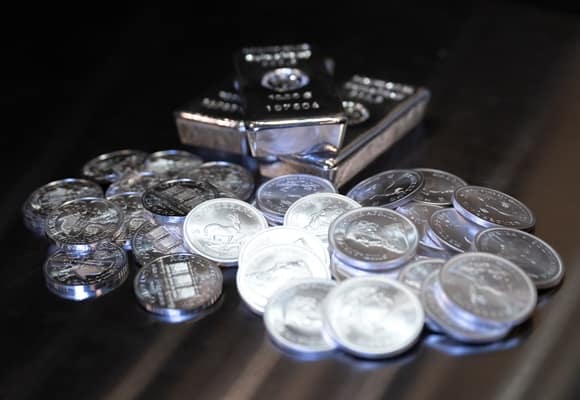
"Following the announcement of a 15% global tariff by the U.S. president, prices surged by more than 6% in a single session, driven by strong safe-haven demand, before quickly retreating from the $89 level to around $87.87 as momentum faded and traders shifted toward profit-taking."
"Trade escalation typically revives investor appetite for hedging assets, particularly in a global environment marked by slowing growth and rising geopolitical polarisation. However, silver differs from gold in that it is more sensitive to the economic cycle, given its close link to industrial demand."
"According to estimates by the Silver Institute and Metals Focus, the market is projected to record a supply deficit ranging between 67 and 120 million ounces in 2026, marking the sixth consecutive year of deficit. These figures are far from marginal; they provide a solid medium-term floor for prices."
Silver experienced significant volatility following a 15% global tariff announcement, surging over 6% before retreating from $89 to $87.87 as traders took profits. This movement reflects rapid repricing of a political shock rather than a trend reversal. Trade escalation typically increases safe-haven demand, but silver differs from gold due to its sensitivity to economic cycles and industrial demand. While tariff concerns support prices short-term through hedging flows, they simultaneously raise questions about global industrial activity, explaining the swift transition from buying to profit-taking. The market recognized that tariffs alone won't alter structural supply-demand dynamics. Silver faces a projected supply deficit of 67-120 million ounces in 2026, marking the sixth consecutive deficit year, providing medium-term price support amid rising demand from AI data centers and electric vehicles.
#silver-price-volatility #tariff-impact-on-commodities #supply-demand-dynamics #safe-haven-assets #industrial-metal-markets
Read at London Business News | Londonlovesbusiness.com
Unable to calculate read time
Collection
[
|
...
]