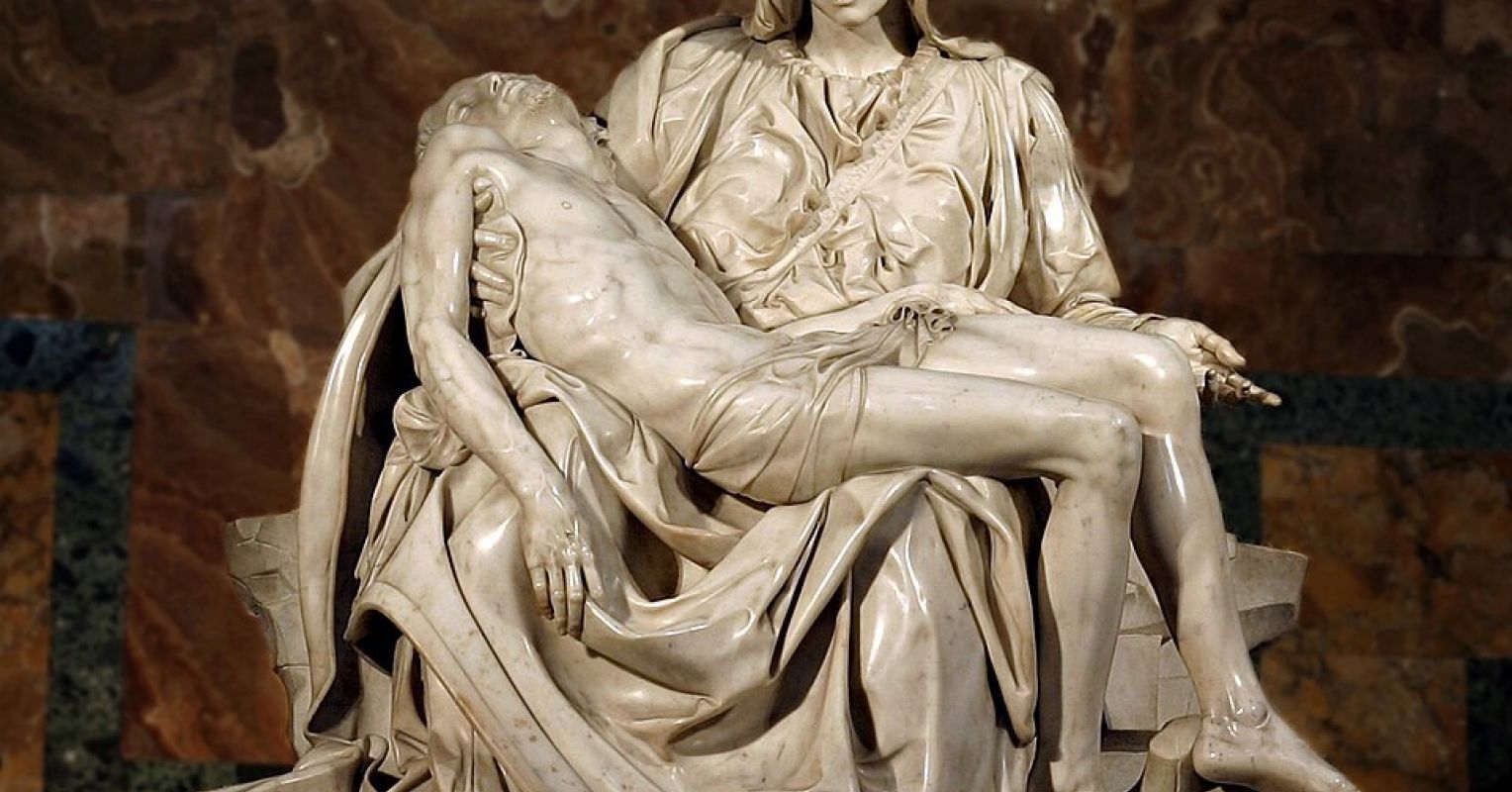
Human emotions like fear, gratitude, deference, pride, love, and awe produce veneration of other humans and of gods. Across cultures, powerful leaders and heroes were claimed as demigods or given divine ancestry, from Gilgamesh in ancient Mesopotamia to Heracles in Greek myth and to Alexander the Great. Roman tradition asserted divine forebears and practiced posthumous deification from Romulus through Augustus. Narratives of miraculous births and divine parentage appear repeatedly. Political and religious status intertwined; claims to kingship and divine sonship could provoke lethal reaction, as when a leader asserting both earthly power and divine sonship faced crucifixion.
"Human emotions inspire us to worship each other, and to worship gods. From Gilgamesh to Greek myth to Alexander the Great, heroes were considered demigods. Romans from Romulus to Augustus were supposed to have divine ancestors, and were deified after they died. Jesus told people to pay Caesar's taxes, but called himself a king and the son of God. So he was crucified."
"We are collections of emotions. Across space and time, H. sapiens has experienced fear and gratitude, deference and pride. Most of us experience love, and many experience awe. Some of us have been inspired by each other. Many have been inspired by gods. Ever since the first words were written, strong men have insisted on their divine origins. In myth, and in historical fact.From Mesopotamia, to Macedonia, to Rome and beyond, gods coupled with mortals."
Read at Psychology Today
Unable to calculate read time
Collection
[
|
...
]