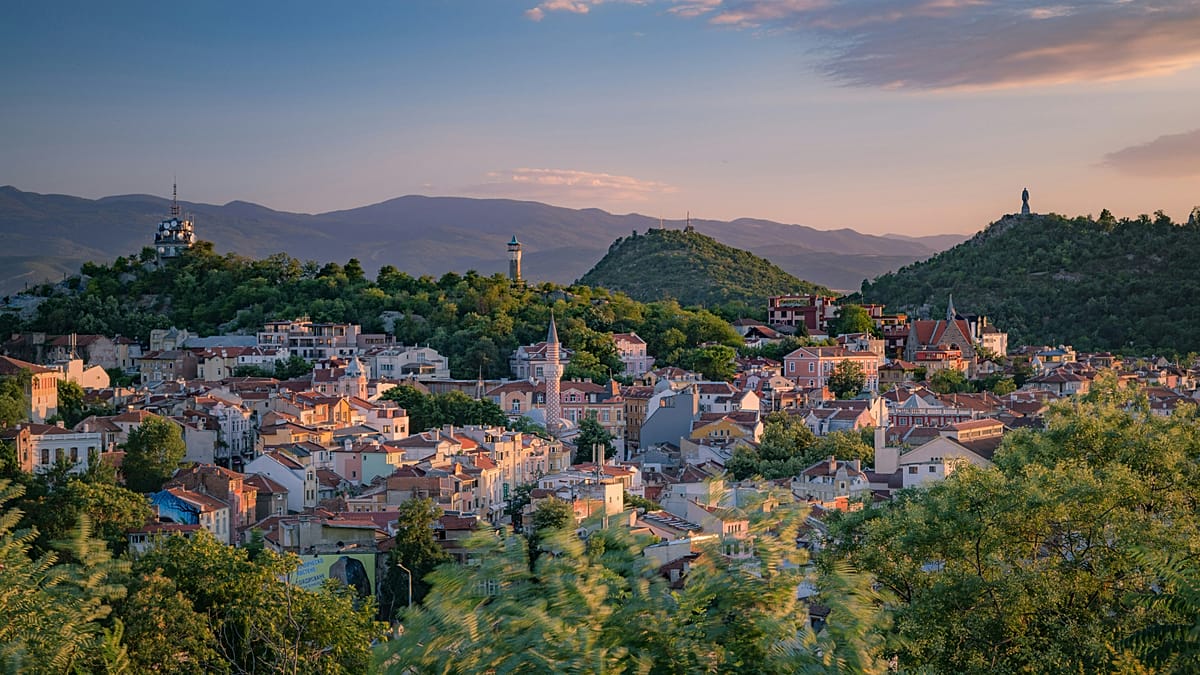
"If you're thinking of relocating in 2026, there's now another European country where you could work remotely. Bulgaria has introduced a digital nomad visa, and applications are open. The country is well-placed to welcome the laptop-tapping crowd, with a cost of living significantly lower than other European countries, youthful cities offering growing remote working services, and epic weekend escapes - from fierce mountain ranges to buzzy beach resorts."
"The country has also just switched its currency to the euro and became part of the Schengen Zone in 2025, making it a great base for travelling around Europe. Here's everything you need to know about Bulgaria's digital nomad visa. Who is eligible to apply for Bulgaria's digital nomad visa? Applicants must be non-EU/EEA citizens who work remotely and earn their income from outside Bulgaria."
"Within that, there are three eligibility criteria: remote employees of companies registered outside the EU, EEA and Switzerland; owners of companies or those holding more than 25 per cent of a business registered abroad; and freelancers or independent professionals who have been providing services to non-Bulgarian clients for at least one year before applying. Applicants must also provide evidence of an annual income of at least 50 times the Bulgarian monthly minimum wage, which is currently €620, making the yearly minimum €31,000."
Bulgaria has introduced a digital nomad visa with applications now open for non-EU/EEA citizens who work remotely and earn income from outside Bulgaria. Eligible applicants include remote employees of companies registered outside the EU/EEA/Switzerland, company owners holding more than 25% of a foreign business, and freelancers or independent professionals who have provided services to non-Bulgarian clients for at least one year. Applicants must show annual income of at least 50 times the Bulgarian monthly minimum wage (€620), equal to €31,000. The application requires a type D long-stay visa from a Bulgarian embassy, followed by a residence permit application within 14 days of arrival, plus proof of accommodation. Bulgaria uses the euro and joined the Schengen Zone in 2025, and offers lower living costs, youthful cities, and nearby mountains and beaches.
Read at euronews
Unable to calculate read time
Collection
[
|
...
]