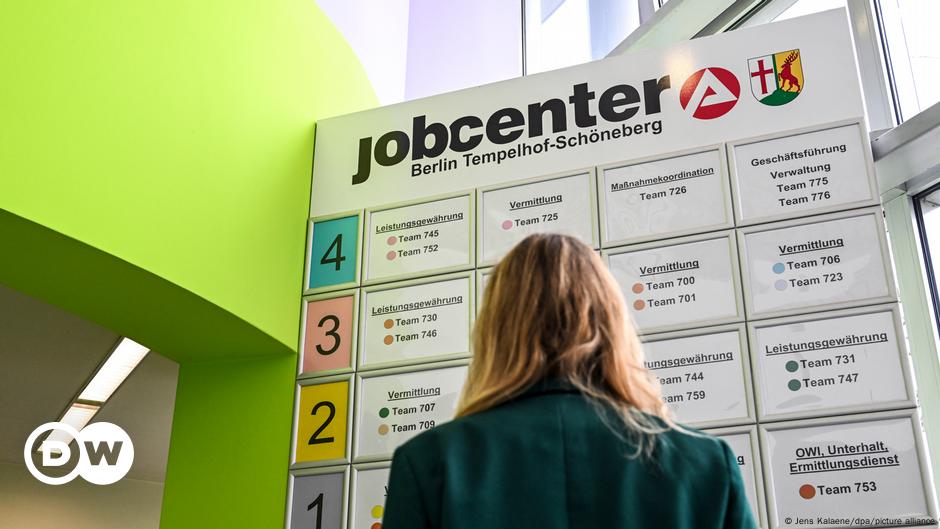
"For a short time during the panndemic, workers across Europe enjoyed rare leverage over their employers. Generous furlough and reduced working-hour programs such as Germany's Kurzarbeit helped companies offset staffing costs. Offices became optional thanks to remote work. Headlines about the so-called Great Resignation reflected a global labor shortage that sharply increased demand for talent. Workplace burnout gave rise to another new phrase, Quiet Quitting, as employees rejected overdelivering in pursuit of a healthier work-life balance."
"Despite remaining resilient, the 21-member eurozone's labor market is projected to grow more slowly this year at 0.6% compared to 0.7% in 2025, according to the European Central Bank (ECB). Although that drop seems tiny, each 0.1 percentage point difference amounts to about 163,000 fewer new jobs being created. Just three years ago, the eurozone created some 2.76 million new jobs while growing at a robust rate of 1.7%."
Workers across Europe briefly held strong leverage as generous furloughs and reduced working-hour programs such as Germany's Kurzarbeit cushioned firms and remote work reduced office reliance. Headlines about the Great Resignation and rising burnout led to Quiet Quitting and increased worker mobility. McKinsey found in 2022 that a third of European workers considered quitting within months. That momentum reversed as the industrial sector came under pressure, wage growth slowed and AI posed job risks. The ECB projects eurozone labor growth of 0.6% this year versus 0.7% in 2025, translating to roughly 163,000 fewer jobs per 0.1 percentage point. Migration has helped ease shortages and support job growth in many countries.
Read at www.dw.com
Unable to calculate read time
Collection
[
|
...
]