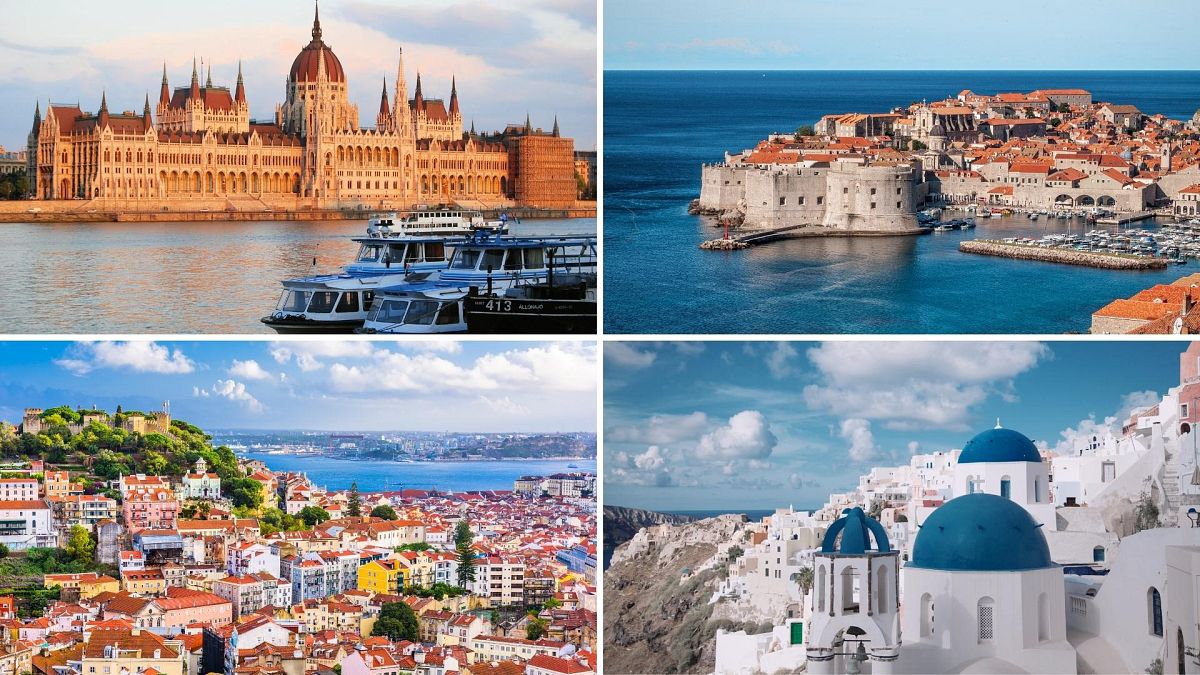
"Since the pandemic, many of us have enjoyed the freedom to work from anywhere. Recognising the potential to boost their flagging tourism industries, countries from Croatia to Spain are making it easier to gain temporary residency while working for a foreign company. Not only does this help fill the low-season gaps in tourism-reliant destinations, it offers non-EU citizens the peace of mind and the chance to legally work remotely."
"Introduced at the start of 2022, the so-called 'Unique Permit' can be renewed up to five times in a row. Remote workers must show proof of an employment contract for a company outside of the country that allows them to work remotely, as well as relevant qualifications. They must also have a local bank account, housing contract, health insurance and clean criminal record, as well as proof of funds to support themselves."
Since the pandemic, many workers have adopted remote work and the freedom to live and work anywhere. European countries are creating or adapting digital nomad visas to attract remote workers and stimulate flagging tourism industries, especially during low seasons. These visas provide temporary residency and legal frameworks for non-EU citizens to work remotely and travel within the Schengen Area. Host countries also use these visas to counter brain drain and ageing populations. Visa rules vary by country and can include stay length, application fees, income requirements, and documentation such as employment contracts, health insurance, local bank accounts, and proof of funds.
Read at euronews
Unable to calculate read time
Collection
[
|
...
]