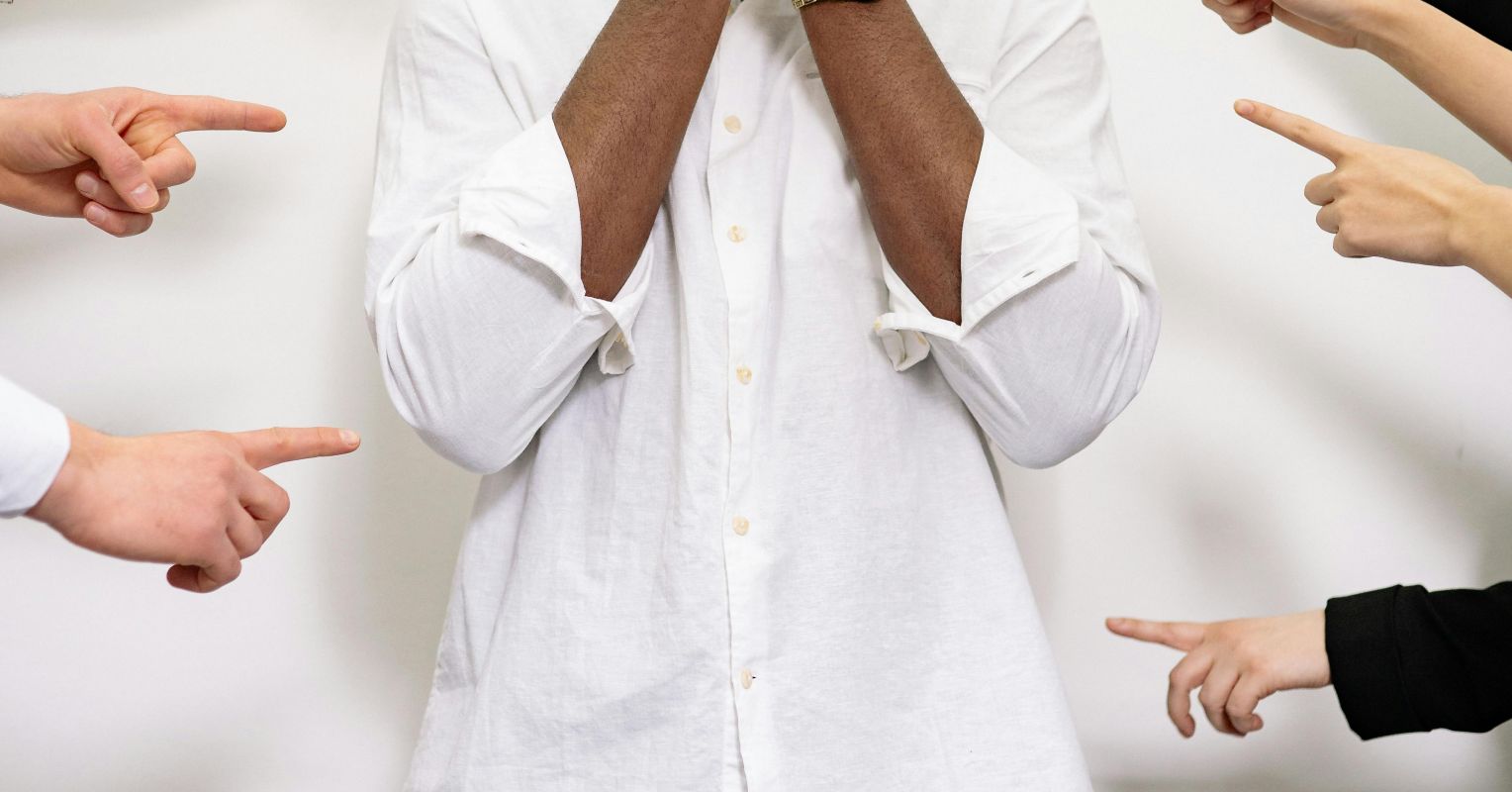
Social anxiety impacts approximately 12 percent of the population, with one-third experiencing serious impairment. Work environments amplify anxiety due to performance pressures, public speaking, and idea-challenging situations. While mental health professionals provide essential structured care for moderate to serious cases, practical tools help manage mild symptoms. Self-awareness through mindfulness interrupts the anxiety cycle by creating distance from anxious thoughts rather than eliminating them. Calming the body through breath work and imagery reduces anxiety's physical grip. Preparing for conversations grounded in personal values weakens avoidance patterns and builds confidence in social and professional interactions.
"Social anxiety thrives on autopilot. Your mind predicts rejection. Your body braces for threat. You react before you reflect. Mindfulness interrupts that loop. Mindfulness can be simple. Notice the sounds around you. What is a constant hum? What's intermittent? Then shift your attention to the sensation of sitting-the weight of your body in the chair, your feet on the floor."
"When you notice the worry, gently label it: 'I am having the thought that I will mess up my words.' Then once you have labelled it, let it float by. A thought is not a fact. Then, return to the present. If anxiety resurfaces, label it again: 'I am worrying again.' You are not trying to eliminate the feeling. You are learning to observe it without"
#social-anxiety-management #mindfulness-and-self-awareness #workplace-anxiety #anxiety-reduction-techniques #mental-health-coping-strategies
Read at Psychology Today
Unable to calculate read time
Collection
[
|
...
]