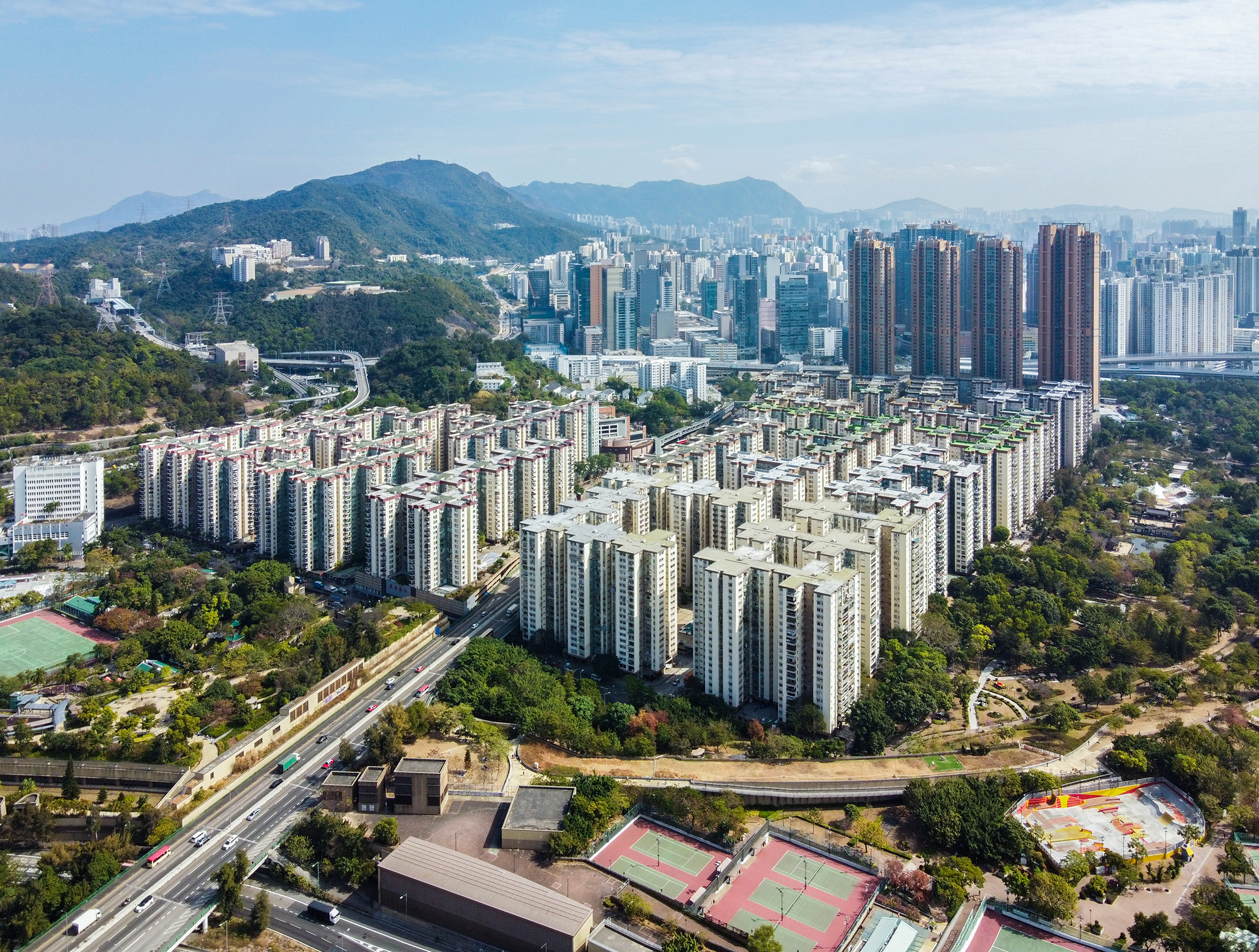
"Because beyond the isolated landmark, the region's most enduring architectural "inheritance" has often arrived as an urban operating system: new towns, housing districts, satellite extensions, transit-linked development, and the mechanisms that make high-density growth administratively and spatially legible."
"Many of these planning ideas-rationalized, zoned, infrastructural-were contested, rebranded, or softened in Euro-American contexts, where modernist urbanism is frequently remembered through its failures. In Southeast Asia, however, related principles were repeatedly adapted and operationalized under different pressures: rapid urbanization, land scarcity, climate, governance, and the need to house large populations quickly."
"The result is a region where modernism's most persistent afterlife may not be the tower itself, but the city-making apparatus that allows towers-and their supporting podiums, malls, and stations-to proliferate."
Southeast Asia's architectural narrative typically emphasizes iconic buildings by renowned architects like Rudolph, Pei, and Foster. However, this focus obscures the region's more significant architectural inheritance: the planning logics and urban operating systems that structure city expansion. These systems—including new towns, housing districts, transit-linked development, and zoning mechanisms—were adapted from modernist principles but operationalized differently than in Euro-American contexts. Rather than experiencing modernism's perceived failures, Southeast Asian cities implemented these planning frameworks to address rapid urbanization, land scarcity, and housing demands. Understanding architecture through planning systems and urban infrastructure reveals modernism's most persistent influence in the region.
#southeast-asian-urbanism #modernist-planning-systems #urban-infrastructure #high-density-development #architectural-history
Read at ArchDaily
Unable to calculate read time
Collection
[
|
...
]