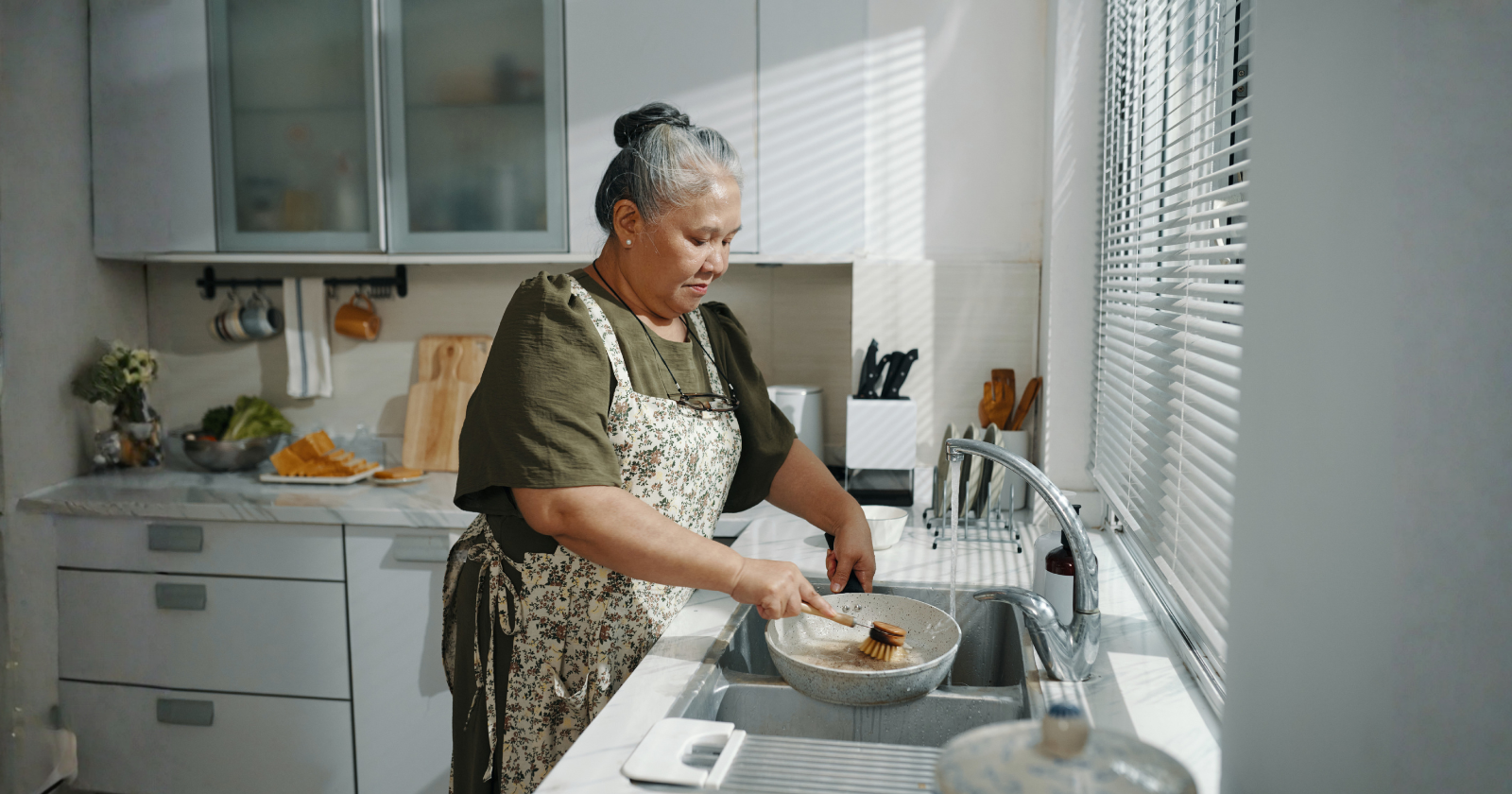
"Nobody talks about what it's really like to host the holidays year after year. They see the finished product—the table set nice, the food coming out on time, everyone having a good time. They don't see you up at dawn stuffing a turkey while everyone else is still sleeping. They don't see you doing mental math trying to time everything so the potatoes aren't cold when the turkey's done."
"Because that's what hosting is—it's a performance. You're the director, the stage manager, and half the cast all at once. You're making sure Uncle Mike and cousin Tony don't end up talking politics. You're watching the oven timer while keeping conversation going. You're refilling drinks, passing dishes, and somehow supposed to eat your own meal at the same time."
Holiday hosting involves substantial hidden work that guests rarely witness or appreciate. The host manages multiple simultaneous responsibilities: preparing food days in advance, timing dishes perfectly, managing social interactions, refilling drinks, and maintaining composure throughout the day. The performance aspect of hosting creates significant stress and anxiety that begins around noon and persists until guests depart. What appears effortless to observers—a well-set table, timely meals, harmonious gatherings—masks the host's early morning preparations, mental calculations, conflict prevention, and constant attention to details. The most rewarding moment for many hosts comes after everyone leaves, when they can finally stop performing and experience silence. This pattern repeats annually, with hosts often learning only in retrospect that their own parents experienced identical pressures.
Read at Silicon Canals
Unable to calculate read time
Collection
[
|
...
]