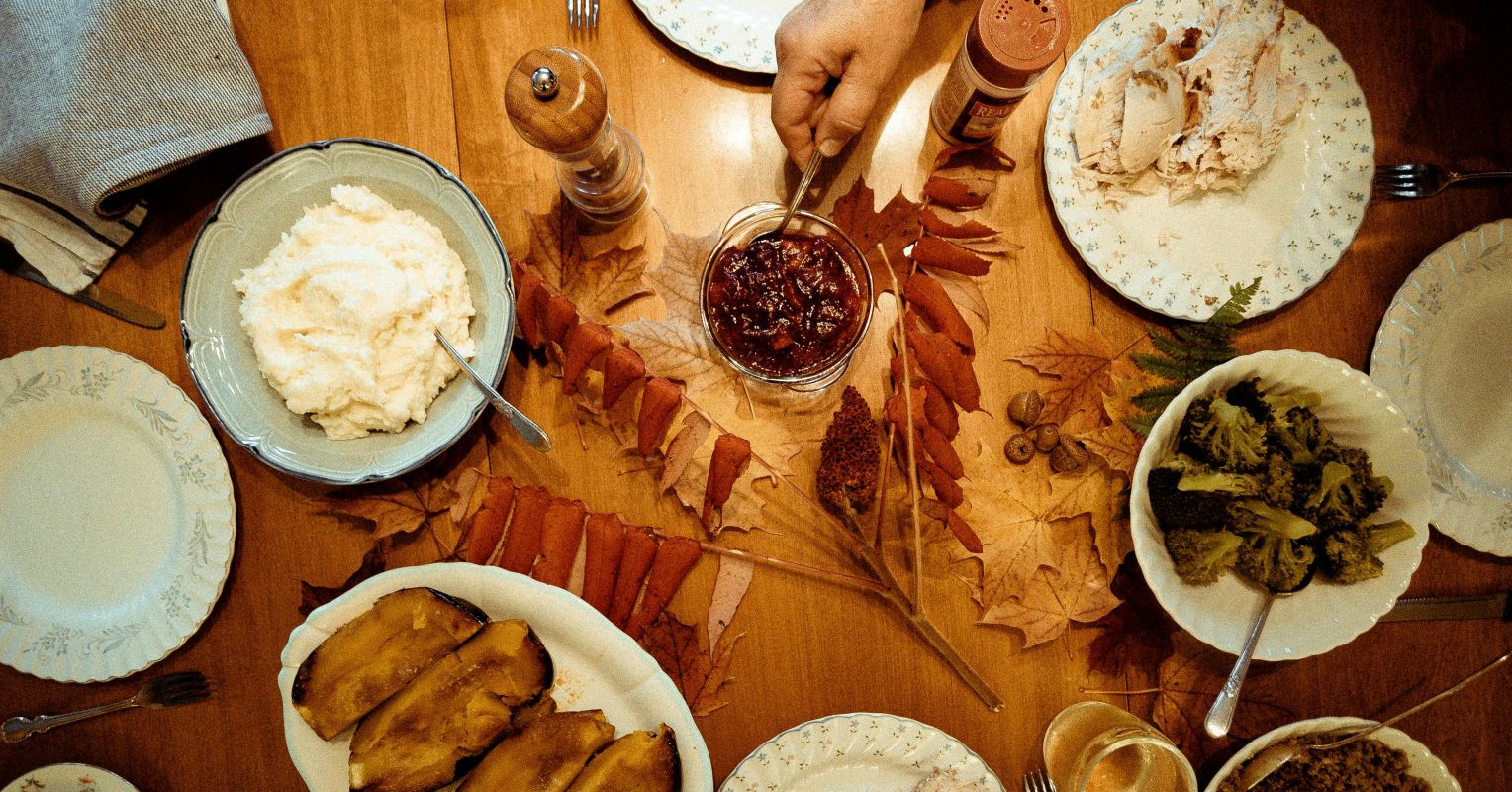
"In the days leading up to the event, we scramble to keep up with our daily obligations while preparing food, decorating, and traveling. The day itself often flies by, leaving us exhausted and hopefully content. But the day after the holiday can be a letdown. If we enjoyed the festivities, we have to wait another year to repeat the event. When things don't go well, we grapple with disappointment or other complex feelings."
"As much as we enjoy the original meal there is something gratifying about making a turkey sandwich, reheating our favorite casserole or appetizer, and finishing off the pie. The day after the holiday we no longer have to meet everyone's expectations and can choose to eat our favorite foods in the comfort of our pajamas in front of the television if we like. But what if we spent some of the time after a holiday dealing with our leftover feelings too?"
"While it is tempting to ignore unpleasant feelings in the hope that they will go away, it is more effective to use them as an early warning system. Sometimes they indicate that we need to change where we are or who we are with. But when that isn't feasible, we need to focus on the things we can change, namely our thoughts, assumptions, and behaviors."
People often invest significant time planning holiday logistics, juggling obligations, travel, and preparations, which leaves the holiday itself feeling brief and exhausting. The day after can bring a letdown whether through the long wait until the next celebration or through disappointment when interactions fall short. Leftover food offers a tangible comfort, and leftover feelings deserve attention as well. Unpleasant emotions can serve as early warning signals that circumstances or relationships may need to change. When changing the situation is not possible, attention should shift to controllable elements: thoughts, assumptions, and behaviors. Common emotional triggers include ideological conflicts, social comparisons, and criticism from others.
Read at Psychology Today
Unable to calculate read time
Collection
[
|
...
]