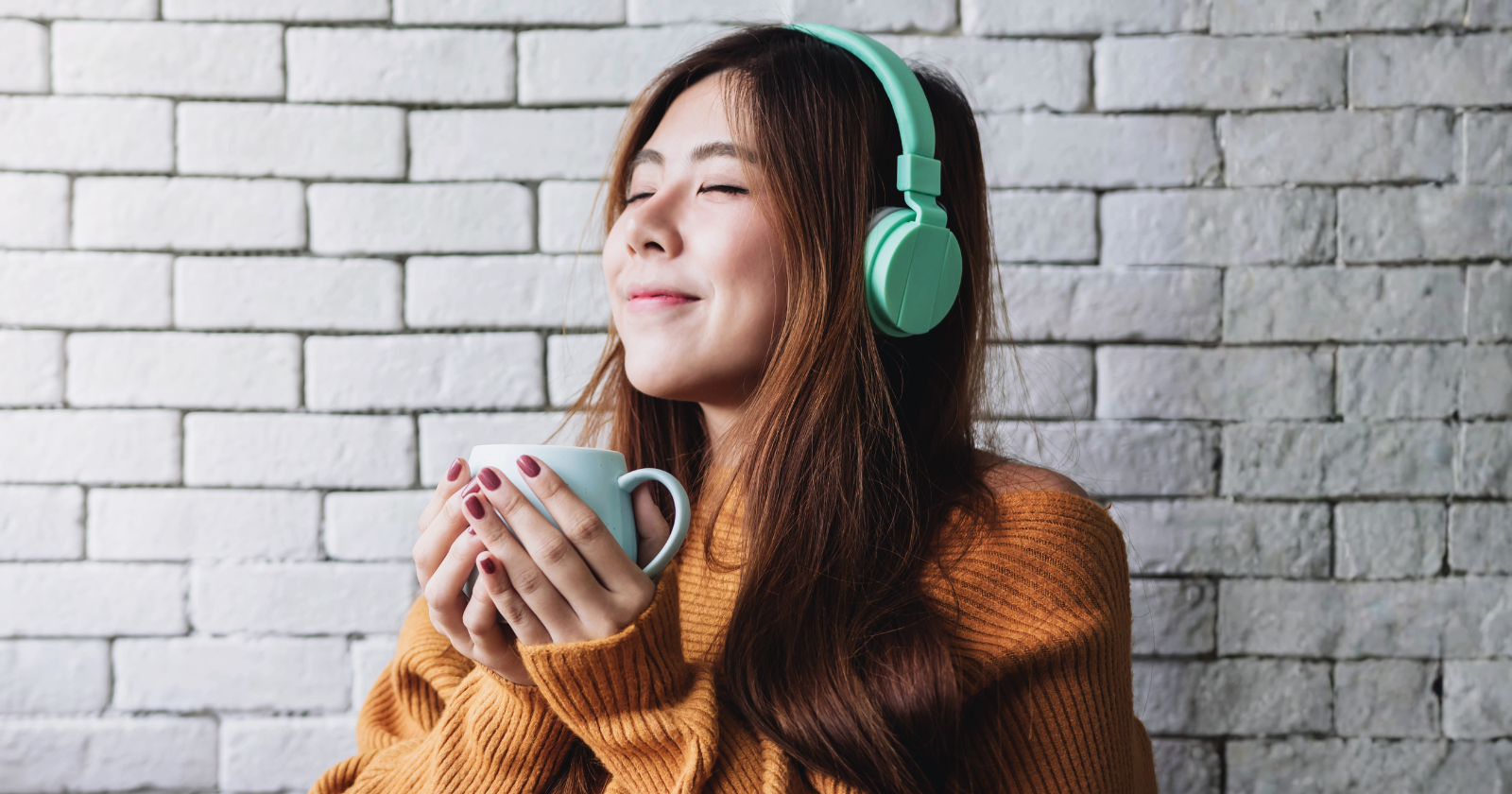
"It wasn't until my mid-twenties, during those long breaks at the warehouse where I worked, that I started to understand something profound. As I sat alone reading about Buddhism and mindfulness on my phone, I realized that my comfort with solitude was actually helping me develop emotional skills that many people spend years in therapy trying to learn. If you've always been comfortable in your own company, you might not realize the emotional superpowers you've been quietly developing."
"They emerge naturally when you spend quality time with yourself, free from the constant noise of social validation and external expectations. Here are seven emotional skills that people comfortable with solitude tend to master, often without even realizing it: 1) Self-validation without the applause track Most people need constant feedback to know they're on the right track. But when you're comfortable being alone, you develop an internal compass that doesn't require external calibration."
Comfortable solitude often feels recharging rather than lonely and supports sustained self-reflection. Long periods alone can foster emotional skills without deliberate effort. Exposure to practices like mindfulness and contemplative readings can accelerate awareness and inner growth. Solitude helps people develop self-validation, trusting personal judgment instead of relying on social approval. Regular solo time reduces the need for constant feedback from social media, bosses, or peers. Solitude cultivates an internal compass, emotional resilience, and a capacity to recognize personal achievements privately. These skills mirror therapeutic outcomes and can be especially evident by the mid-twenties through consistent solitary habits.
Read at Silicon Canals
Unable to calculate read time
Collection
[
|
...
]