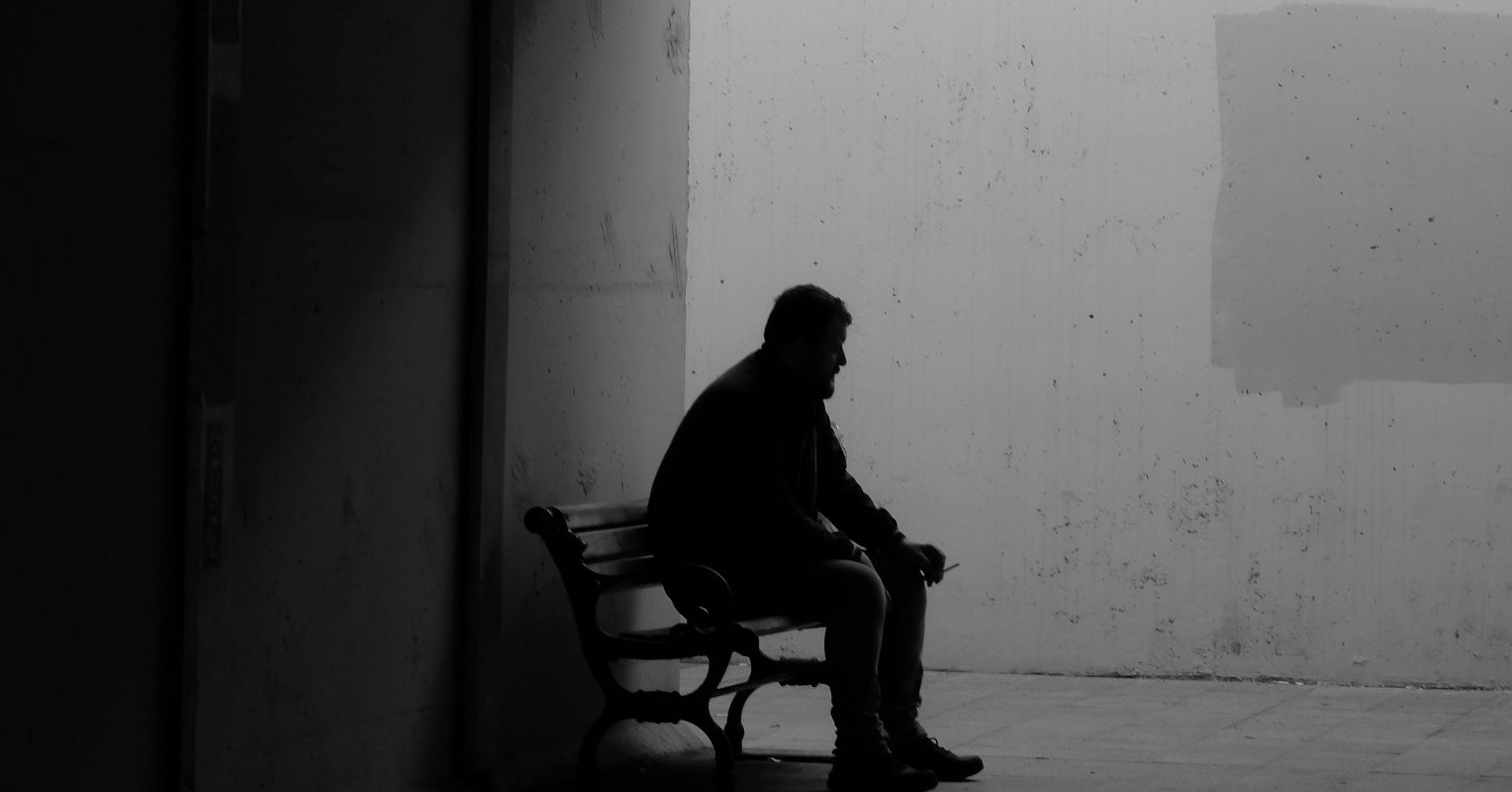
"Liminal spaces like the "Backrooms" exploit our brain's sensitivity to uncertainty during transitions. Our brains are sensitive to liminal space because memory is structured around change. Physical boundaries, such as liminal spaces, help organize life experiences. Context cues can reduce uncertainty, and opportunities for reflective pause can help process transitions."
"These are liminal in time: spaces sitting empty, awaiting reuse or demolition, much like ghosts lingering before crossing over. These are not merely liminal spaces, but rather spaces trapped in liminality. This architecture of ambiguity, across both space and time, may resonate with many youth experiences about our world, as youth transition to adulthood."
"Neuroscience shows that the systems we use to navigate physical space also organize our memories. Our brain is highly sensitive to liminal spaces because memory is organized around change - in space, time, and events. By exploring what the brain is doing while in liminal spaces, we can better move through change and avoid getting stuck in uncertainty."
"Context cues can reduce uncertainty, and opportunities for reflective pause can help process transitions."
Liminal spaces like dim hallways, long corridors, and empty terminals unsettle people by exploiting the brain’s sensitivity to ambiguity during transitions. Navigation systems that organize physical space also structure memory around change in space, time, and events. Modern construction practices that abandon buildings create spaces trapped in liminality, remaining empty while awaiting reuse or demolition. These spaces can mirror youth experiences of moving toward adulthood, when life feels uncertain and in-between. Physical boundaries help organize life experiences, while context cues reduce uncertainty. Reflective pauses can support processing transitions and help people move through change without getting stuck in uncertainty.
#liminal-spaces #psychological-horror #neuroscience #memory-and-uncertainty #transitions-and-ambiguity
Read at Psychology Today
Unable to calculate read time
Collection
[
|
...
]