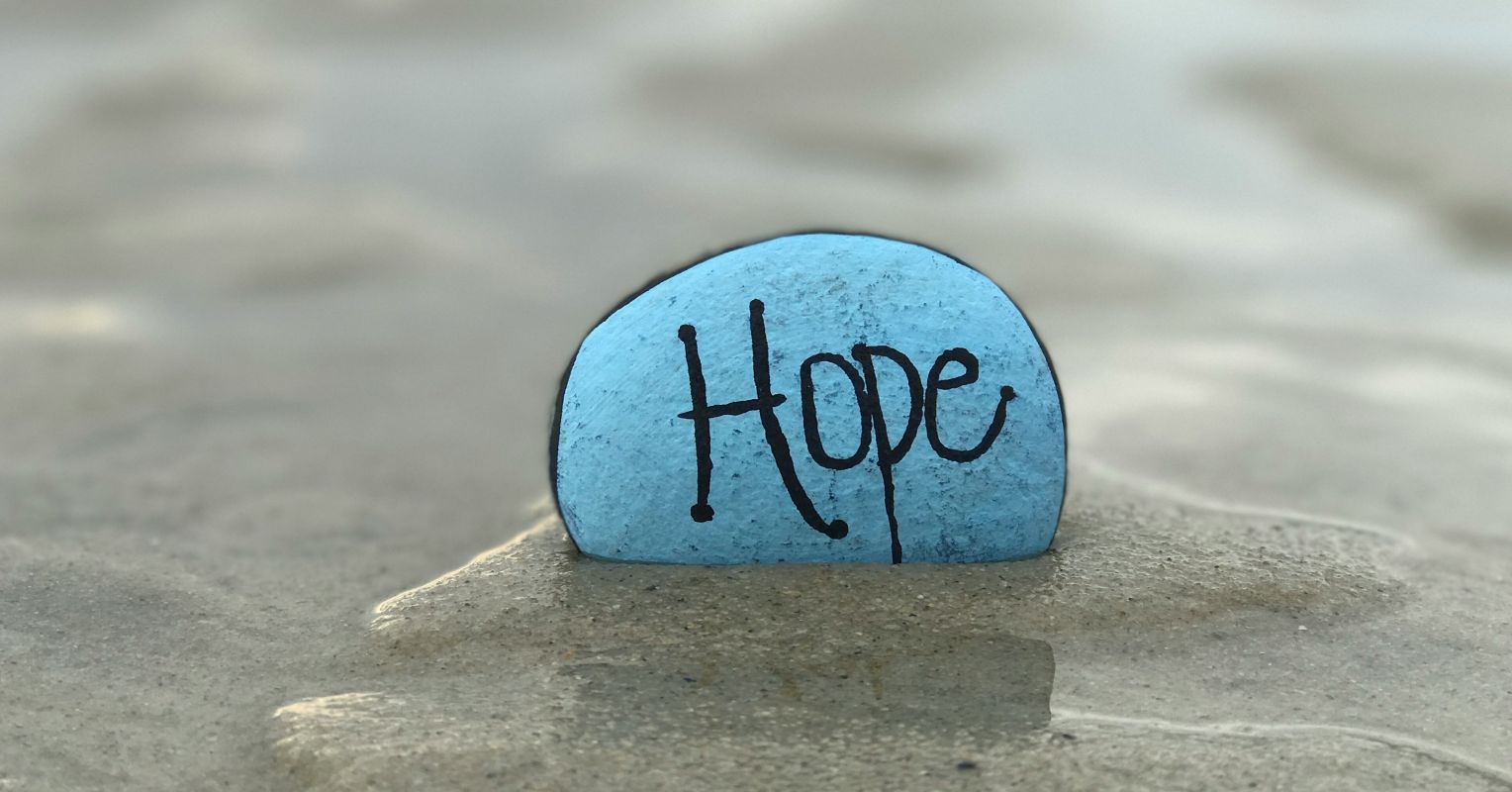
Social and cultural norms often encourage lowering expectations and bracing for disappointment as a form of protection against uncertainty and emotional pain. Expecting the worst narrows attention, increases rigidity, reduces opportunity awareness, and fosters disconnection and fear. Conversely, hope widens attention, enhances psychological flexibility, reveals opportunities, strengthens connection, and supports wellbeing. Hope functions as an evidence-based strategy rather than naivety. Fear of disappointment, societal conditioning, and current global challenges inhibit hopeful imagining. Deliberately nurturing hope can expand possibility, drive growth, and empower people to support others in daring to get their hopes up.
"People often say, "Don't get your hopes up." "Be realistic." "Don't get carried away." In many places and spaces throughout our lives, we're subtly encouraged to lower our expectations, to brace ourselves, and protect ourselves from possible disappointment. Most of the time, people aren't trying to limit us. They're trying to protect us. Protect us from uncertainty, from big feelings, from the sting of things being outside of our control."
"When everything feels uncertain, expecting the worst can start to feel safer than imagining what's possible. We put up artificial guardrails. We armour ourselves. Our thinking narrows, rigidity increases, we miss opportunities, and disconnection and fear grow. We limit our growth. And with so much pain, ill-being, relentless challenge, and darkness in the world right now, it can be tempting to turn inward, shut down, or protect ourselves by caring less."
Read at Psychology Today
Unable to calculate read time
Collection
[
|
...
]