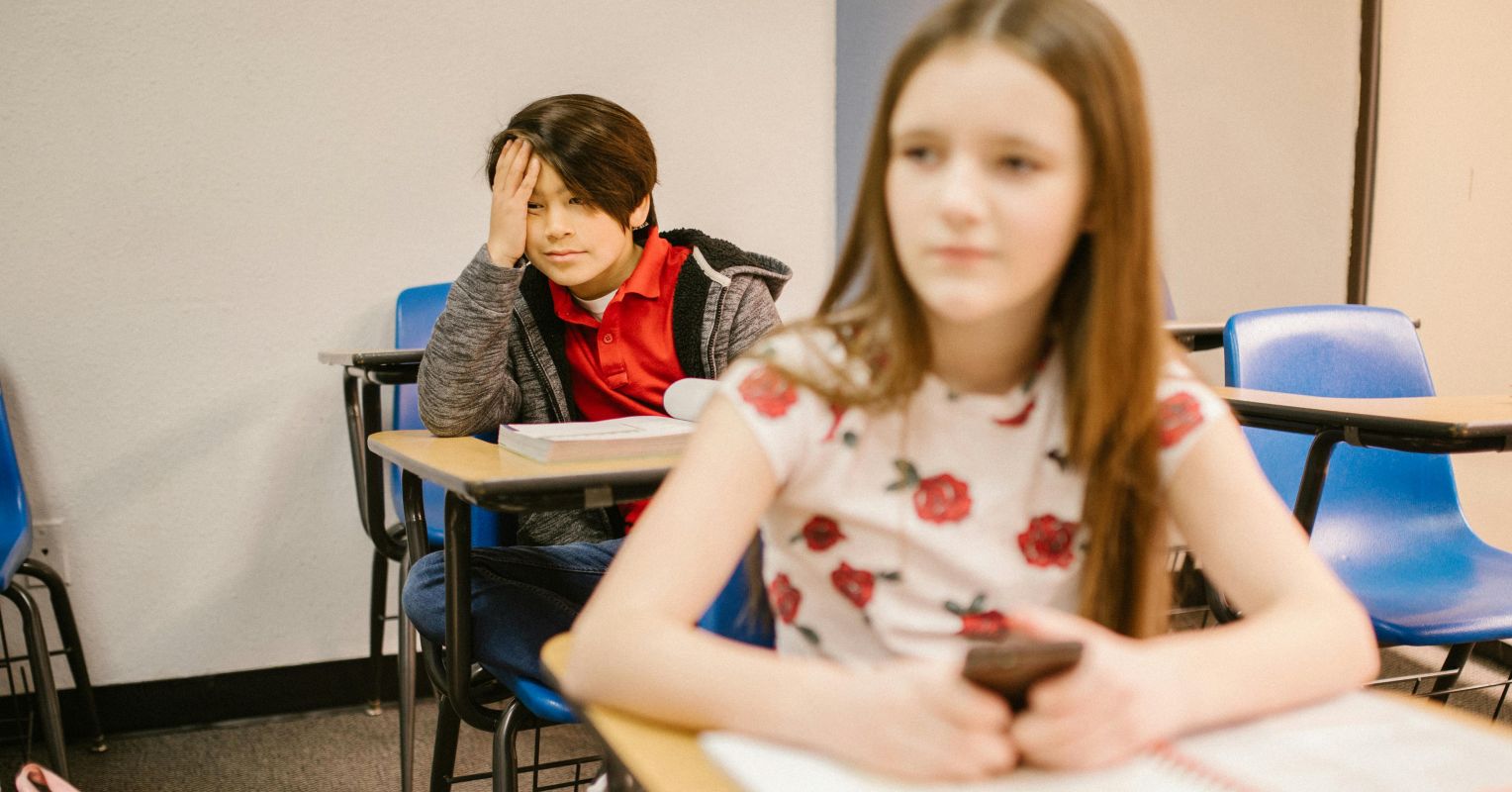
"Is It Trauma or ADHD? When a child can't sit still, follow directions, or pay attention, ADHD may seem like the obvious explanation. We often run quickly to give stimulants first. But for a traumatized child, whose nervous system has been shaped by fear, unpredictability, or loss, those same symptoms may be the echoes of survival, not signs of a neurodevelopmental disorder."
"Marcus came to therapy after multiple disruptions in his early life due to neglect and domestic violence. By the time he entered third grade, he had experienced several stressful transitions in foster care. Each one reset his sense of stability. When he walked into my office, his body seemed permanently "half-sprinting," ready for the next change, even if no one said one was coming."
Children who cannot sit still, follow directions, or pay attention may display behaviors that resemble ADHD. Stimulant medication is often prescribed quickly. Exposure to fear, unpredictability, neglect, or violence can shape a child's nervous system to stay constantly on alert, producing hypervigilance, impulsivity, and restlessness that mimic ADHD. Behavioral signs such as scanning the environment, flinching at noises, hiding during loud moments, and chronic instability point to trauma responses. Assessment should include developmental and trauma history and observation of behavior context. Treatment should prioritize trauma-informed interventions, environmental stability, therapeutic support, and cautious, individualized medication decisions.
Read at Psychology Today
Unable to calculate read time
Collection
[
|
...
]