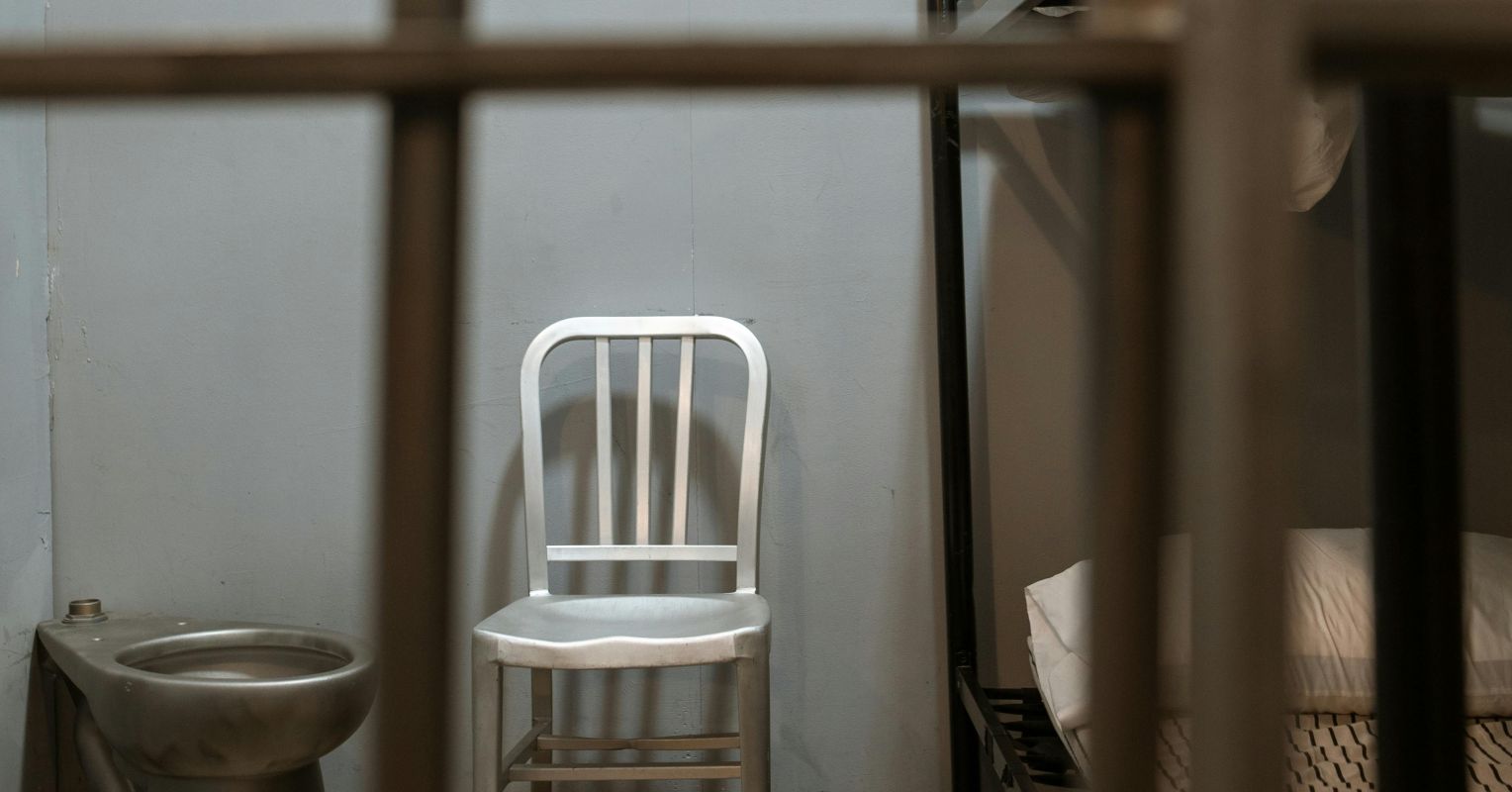
"I entered a prison in Medellín on a morning when the heat already pressed heavily against the body. The metal doors closed behind me with a final sound that immediately reorganized my attention. Inside the room, men sat upright and guarded, arms crossed, eyes trained on movement rather than meaning. Control shaped every corner of the space, yet the tension in their bodies revealed injuries that long predated incarceration. The prison relies on structure, surveillance, and predictability to maintain order within overcrowded and volatile conditions."
"One man spoke first, keeping his gaze fixed on the floor. He described learning as a child to remain alert even while sleeping because silence often preceded danger in his neighborhood. His body had never learned rest. The institution did not create his trauma, but it reinforced the posture his nervous system already carried. That moment clarified why control alone never interrupts cycles of violence."
A prison environment in Medellín reveals how control, surveillance, and predictability maintain order while reinforcing bodily patterns formed by earlier trauma. Incarcerated men display guarded postures, shallow breathing, and constant readiness rooted in childhood survival strategies. Punitive approaches intensify wounds that lacked language, care, or opportunities for transformation. Embodied practices restore regulation through posture, breath, and movement, while ethical dialogue builds relational safety and accountability. Treating compassion as structured practice rather than mere sentiment supports lasting behavioral change and more humane correctional conditions.
Read at Psychology Today
Unable to calculate read time
Collection
[
|
...
]