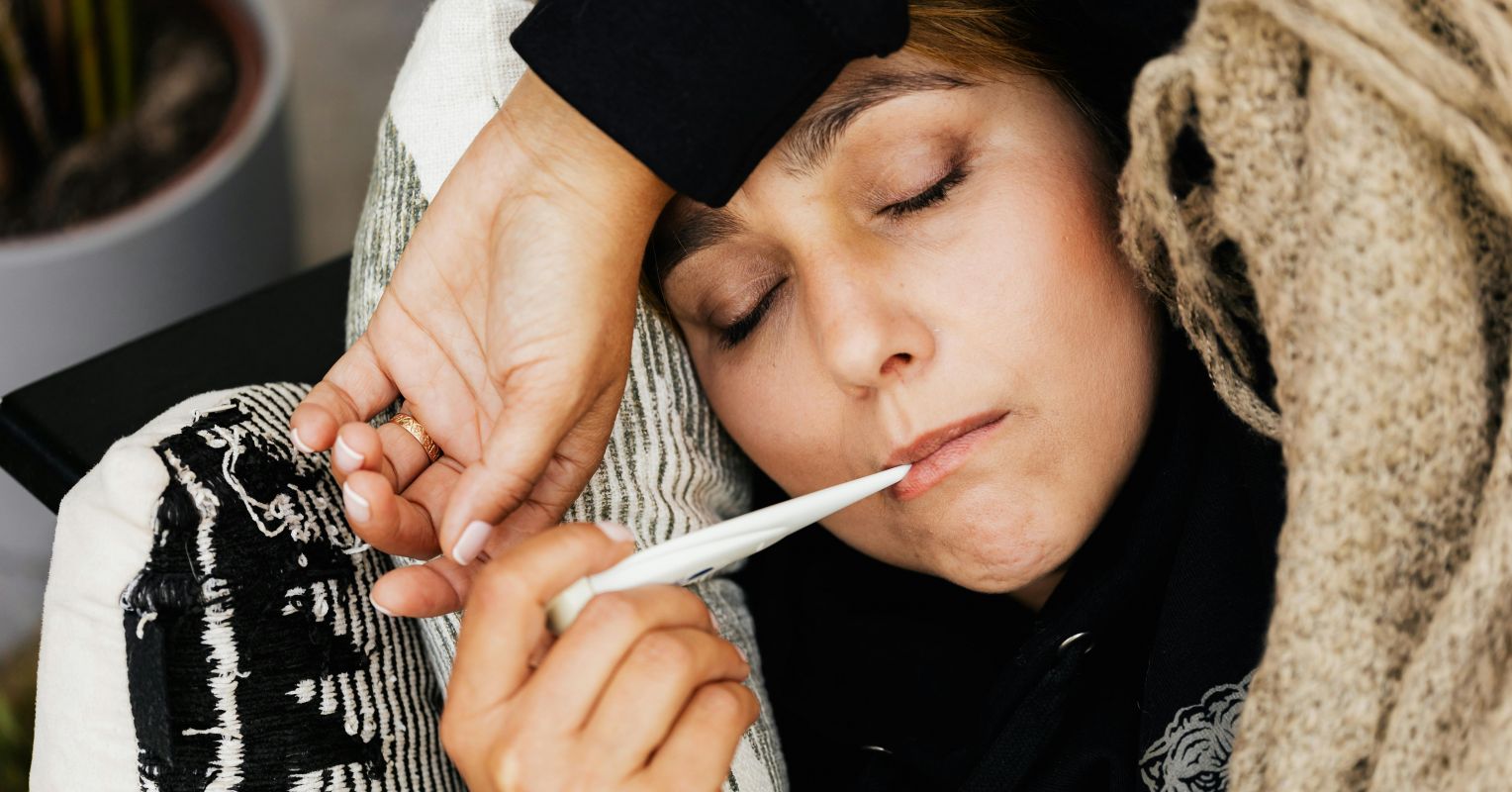
"Now, illness is a routine part of my friendship network's weekly news: Who got diagnosed with what? Who's confronting some chronic condition? Who's bereft? Sickness has become so integrated into our social lives that my peers and I are getting a crash course in who we are when friends fall ill. The answer seems to be surprisingly complicated."
"Illness is emotionally demanding. It just is - for some people more than others. Where one person can take it in their stride, others react strongly, sometimes irrationally. That's true, too, when we ourselves get sick. But at least then our behavior doesn't necessarily affect other people we love who can be feeling very vulnerable."
"Even among those who can respond comfortably to a friend's infirmity, caregiving styles can vary enormously, from sending flowers to making soup, or from taking a friend for treatment to inviting them to recuperate on a hospital bed in your living room."
As people age, illness becomes a routine part of social life rather than a rare event. Friends' diagnoses and health crises now occur regularly within peer networks. Illness is emotionally demanding and provokes varied responses—some people handle it naturally while others react strongly or irrationally. Caregiving styles differ dramatically, from sending flowers to providing live-in support. Even those comfortable with illness express care differently. Many people struggle with their own responses to friends' illnesses, revealing unconscious patterns. Examining how individuals handle their own sickness can illuminate their feelings about friends' illnesses. The key is allowing friends to guide the response rather than reacting from personal discomfort or anxiety.
#friendship-and-illness #emotional-responses-to-sickness #caregiving-styles #vulnerability-and-relationships #aging-and-health
Read at Psychology Today
Unable to calculate read time
Collection
[
|
...
]