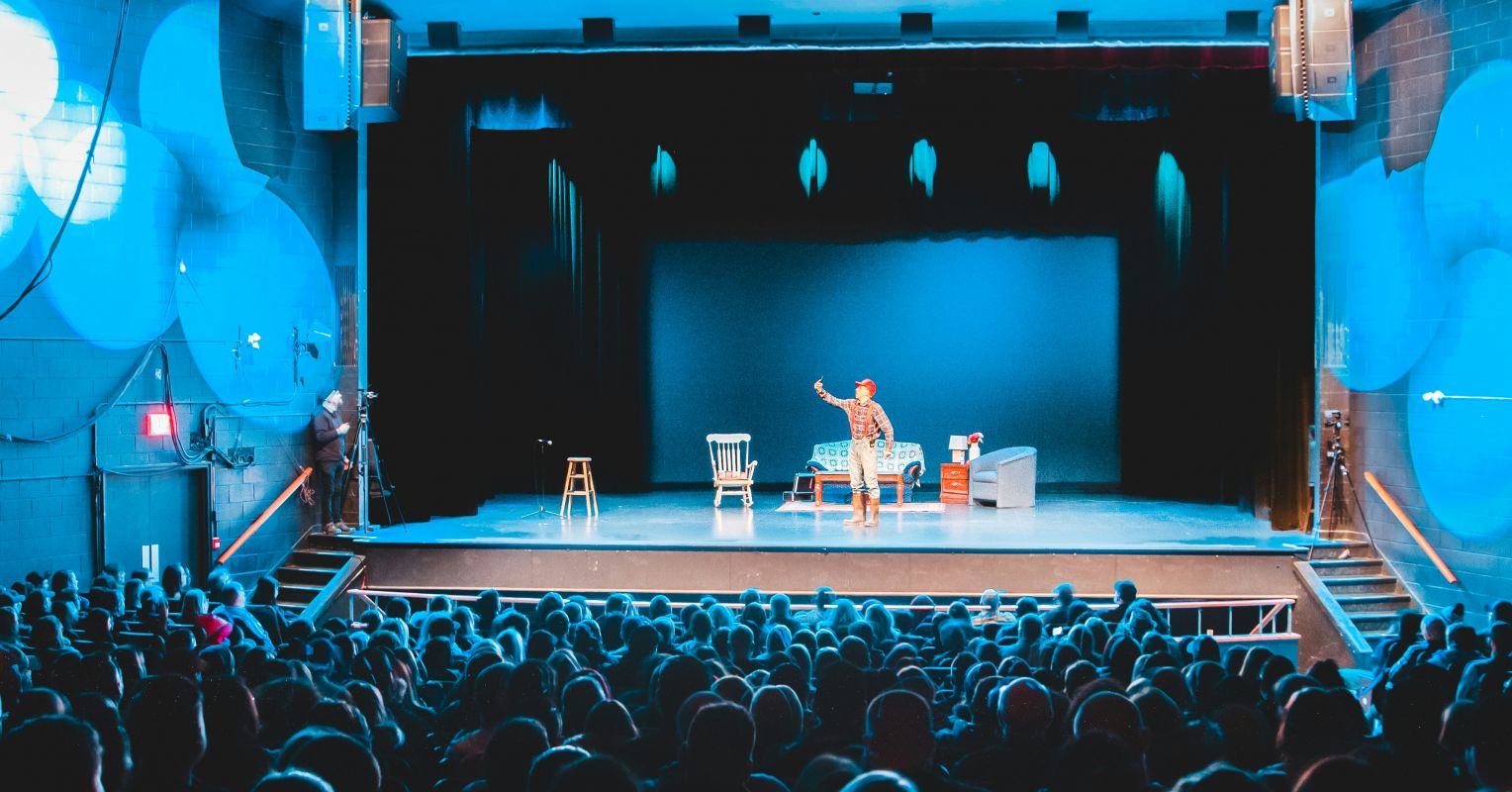
"A person close to me, whom I'll call Lila, invited me to attend a stage play. Lila's dear friend, Carole, had a lead role in the play and offered Lila two complimentary tickets. Many people love Lila for her enthusiasm, sense of humor, and warm way of making people feel truly seen and celebrated. Carole was a successful character actress of film, stage, and television. Lila was excited to introduce me to Carole. We were both looking forward to the live theatrical production."
"Carole said she would leave the complimentary tickets at the box office window under Lila's name. When Lila and I arrived at the theater, the box office clerk said there were no comp tickets reserved for us. I watched Lila's face fall with embarrassment. I suggested we ask the box office clerk to send a message backstage to Carole, as I assumed it was likely an unintentional oversight. After all, opening night for a new production can be hectic and demanding."
"After the matinee performance, I suggested we go backstage to tell her how much we enjoyed the show and her performance. As we stood up after the show ended, Lila and I watched a famous actress with her entourage walk backstage. "I bet she got our tickets," Lila said. "I doubt that your friend intentionally gave your complimentary tickets away. We should go backstage and let her know how much we enjoyed the show," I said."
Feeling unworthy can trigger anxiety, depression, and other negative health outcomes. A strong need exists for both feeling valued by others and feeling that one adds value to others. Social slights, even unintentional ones like missing complimentary tickets, can cause embarrassment, resignation, and a diminished sense of mattering. The anecdote of Lila shows excitement turning into shame when expected recognition is absent, and avoidance of reconnecting with the person who could affirm her. Small acts of perceived exclusion can reinforce beliefs of invisibility, reduce social engagement, and harm emotional well-being. Addressing both external validation and opportunities to contribute can protect mental and physical health.
Read at Psychology Today
Unable to calculate read time
Collection
[
|
...
]