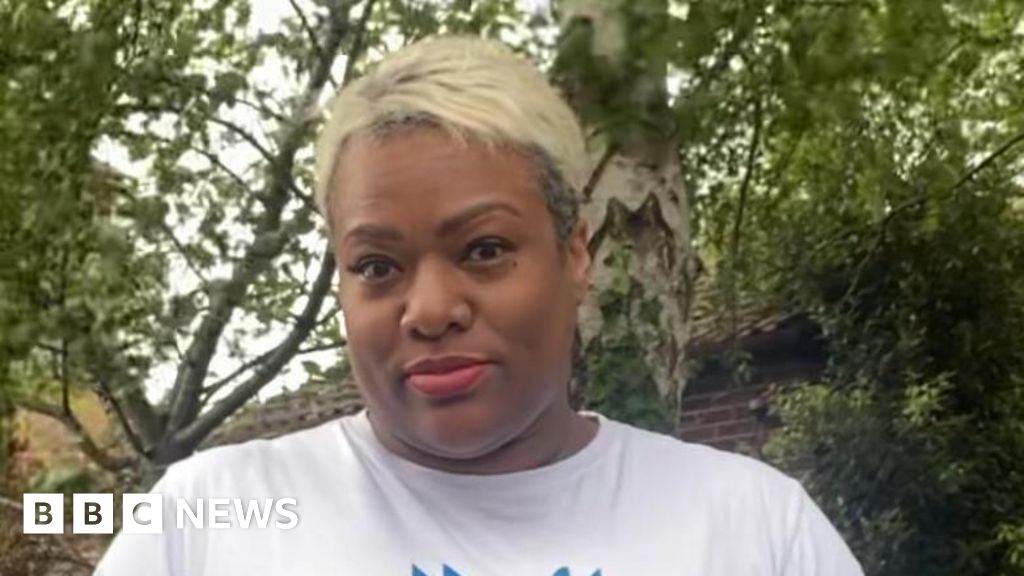
A mother moved into cramped, unclean temporary accommodation with her eight-year-old son in 2022 and noticed a deterioration in his behaviour. The child had shown signs of autism before homelessness, including head-banging episodes, but after sharing a room in a former care home his condition worsened. Stress and the accommodation’s conditions appeared to exacerbate symptoms, and obsessive compulsive behaviours emerged that had not been present before. The child became scared to sleep and scared to go to the toilet, affecting education and health. The mother described the environment as like a prison, with banging doors, very small rooms, and major sensory problems from noise and lack of space. She later helped other families and co-authored a report noting neurodivergent children are largely unrecognized in child poverty and homelessness policies.
"He was scared to sleep, scared to go to the toilet - it affected his education and health."
"Their accommodation as a "bit like a glorified prison with banging doors and very small rooms", adding that the biggest challenge was the "sensory issues, all the noises and the lack of space"."
"For non-verbal autistic children, it's dangerous because it's not easy to contain a child in that environment."
"In policy they often talk about child homelessness... being hidden homelessness. Neurodivergent children are the 'hidden of the hidden', said co-author Dr Katherine Brickell. "They are ignored both in the child poverty strategy and also in the new homeless strategy. There are thousands who are not recognised in those policies.""
Read at www.bbc.com
Unable to calculate read time
Collection
[
|
...
]