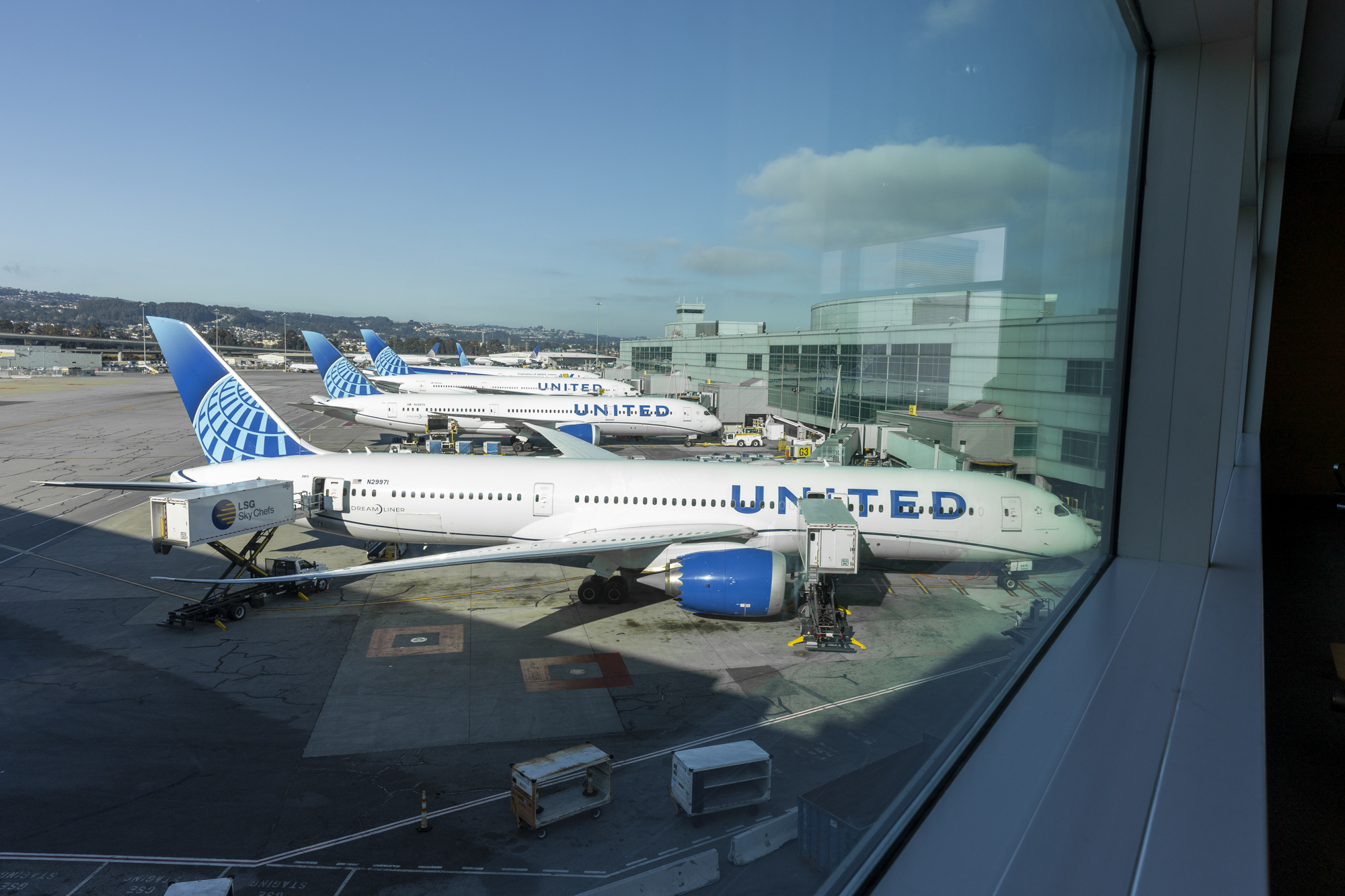
"The fear of flying is less a single phobia than a place where other fears converge. For many people, it's rooted in one or more anxieties that flying brings into focus - the fear of turbulence, of heights, or of having a panic attack in front of strangers with no escape. For Vance, being inside an aircraft activates her claustrophobia - a condition she developed at nine years old."
"Then she adds "B", for belief - the idea you have about the turbulence. Someone might believe, for example, that turbulence means the pilot has lost control, and the plane is going to crash. Finally, she writes "C" - the consequence of that belief. For most everyone in the room, the consequence is often panic. "It's just an airplane," she tells herself. "Airplanes don't harm anybody.""
Fear of flying often combines anxieties such as turbulence, heights, claustrophobia, and the fear of having a panic attack with no escape. One person developed claustrophobia at nine after surgeries, and experienced increased panic attacks in adolescence, especially on airplanes. A cognitive-behavioral framework labels the triggering event, the belief about that event, and the consequence — for example, believing turbulence means loss of pilot control leads to panic. Gradual exposure in a real aircraft includes sensory exploration of aisles, galleys, seatbacks, emergency exits, and simulated announcements, paired with imaginal scripts to rehearse coping and reframe catastrophic beliefs.
Read at Kqed
Unable to calculate read time
Collection
[
|
...
]