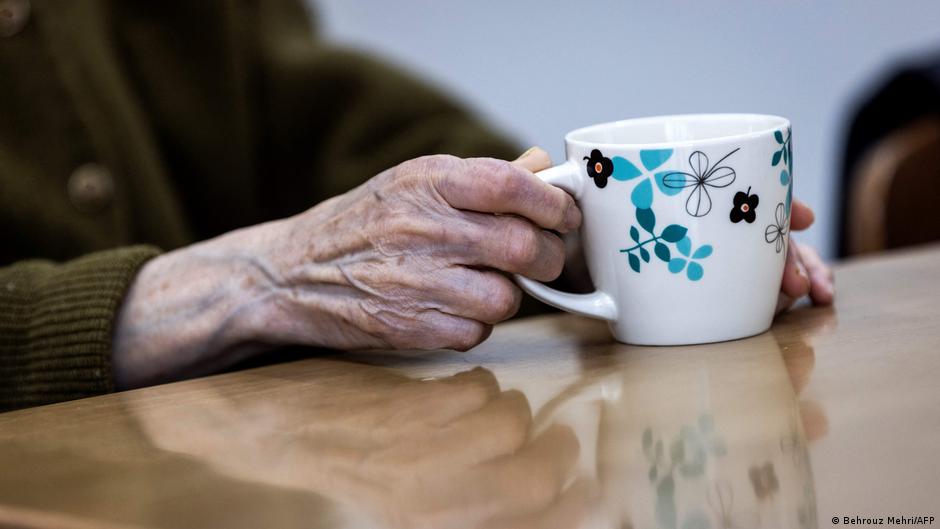
"Statistics released by the government and police in late April showed that 76,941 people died "lonely deaths" across Japan in the 2025 fiscal year, which ended on March 31. That is 921 cases more than the previous year. Authorities estimate that 22,222 of the total "lonely deaths" were also "koritsushi," meaning that the person's body was not found for at least eight days. In 7,148 incidents, approximately 9% of the total, the body was not discovered for more than one month."
"Elderly people accounted for the vast majority of "lonely deaths," although the statistics included 57 teenagers and 753 people in their 20s. The rise has prompted a debate about loneliness and isolation in modern Japan. "Japan's society has changed a lot in a very short space of time," said Izumi Tsuji, a professor of the sociology of culture at Tokyo's Chuo University. "There are many contributing factors, but I feel the biggest has been the end of the traditional nuclear family and the shift that we have seen towards individualization, or people living alone," he told DW."
"For at least three decades, Japan has been experiencing a decline in its rural population as young people left villages and small towns for greater education opportunities and, subsequently, better job prospects. The communities they left behind now have few young residents. Elderly people are increasingly isolated and many of them are dying alone."
Japan is seeing more deaths occurring in isolation despite government efforts. The term “kodokushi” describes people dying alone, and it accounts for close to 5% of the overall death rate. In the 2025 fiscal year, 76,941 people died “lonely deaths,” an increase of 921 from the prior year. Authorities estimate 22,222 cases were “koritsushi,” with bodies not found for at least eight days, and 7,148 cases involved discovery after more than one month. Most victims were elderly, though some teenagers and people in their 20s were included. Contributing factors include rapid social change, the decline of the traditional nuclear family, and increased individual living, alongside rural depopulation as young people leave for education and jobs.
Read at www.dw.com
Unable to calculate read time
Collection
[
|
...
]