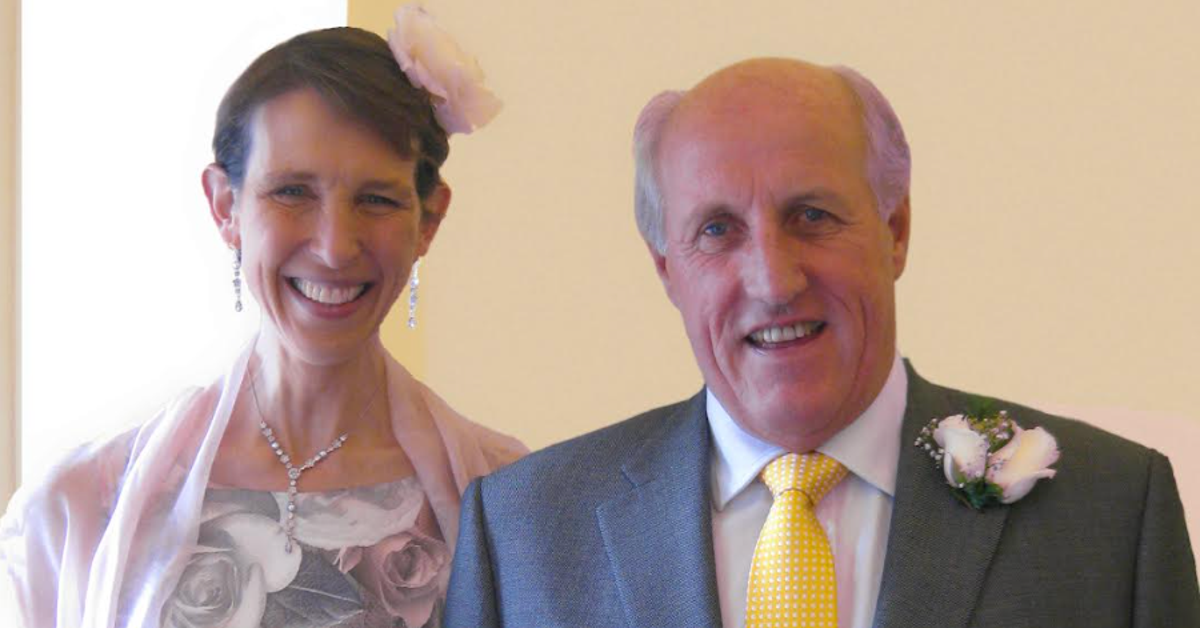
"Simon and I couldn't be more different. When we met, I was 38, he was 54, and his unabashed zest for life broke through my complicated caution. I knew I was in love when, after a lazy summer evening together, I lay on the stone beside a Trafalgar Square fountain and felt joy seep through my skin. I moved in with him, his rural 15th-century cottage becoming our home, workplace (me in medicine, he in shipping), and where I discovered previously unknown contentment."
"When I was 7, I figured the best way to protect against 24-hour cycles of pain was not to trust - if I let my guard down, hell broke loose. Sometimes, I forced myself to imagine my mother dying: Things were manageable if they weren't terminal. I lived with this exhausting logic until I was 30, when good changes in my life shifted my focus, and I worried less about mum."
Two people with different backgrounds form a joyful partnership after meeting when the narrator is 38 and Simon 54. They move into a rural fifteenth-century cottage where domestic and professional lives blend. Simon later retrains as a boatbuilder and they relocate to a coastal town, experiencing renewed happiness. Despite contentment, the narrator endures pervasive dread of losing Simon rooted in a childhood in a parental war-zone and long-standing fear for a careworn mother. Coping strategies included emotional guardedness and imagining bereavement. A period of eased worry preceded the mother's death from cancer, leaving unresolved guilt about the efficacy of worry.
Read at HuffPost
Unable to calculate read time
Collection
[
|
...
]