"When people think of neglect, they often imagine a child in a run-down apartment in dirty clothes, with the absent parent finishing a double shift so that they can barely make the rent payment. People rarely think of a child who lives on the nicer side of town, with a room full of toys and a house neatly appointed. But more and more, modern culture is pushing families off balance, and neglect is appearing in the unlikeliest of places."
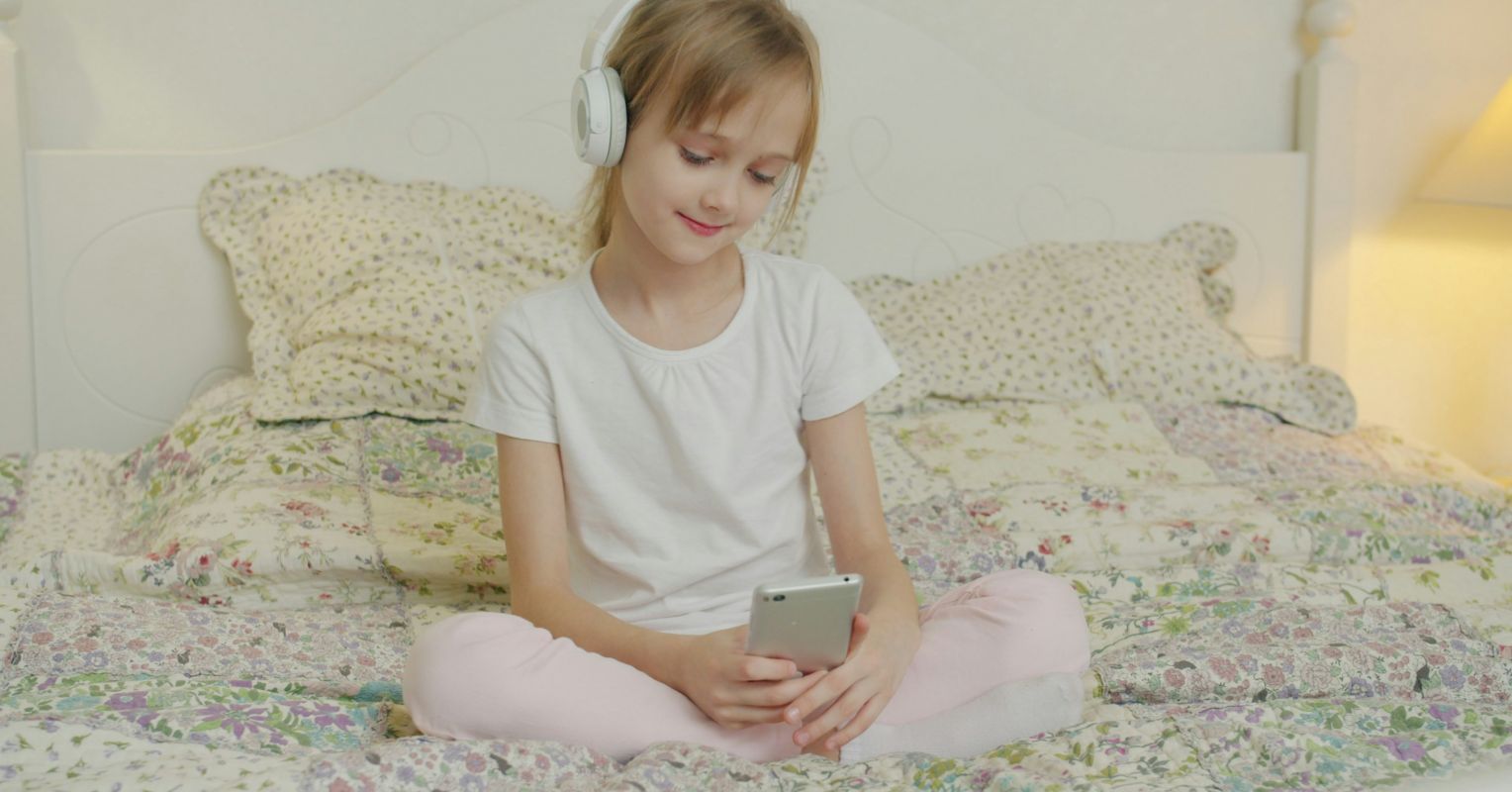
"Cheryl is 11 years old and really loves her phone. Her mom is gone almost all the time, spending many hours at the church volunteering or meeting with the PTA to discuss the fall carnival. With Dad working 10-hour days at the hospital, she's had a lot of time to binge on TikTok, text about school gossip with her classmates, and play games online with "friends.""
Children can experience emotional neglect even in materially comfortable homes when parental time and emotional attunement are lacking. Busy schedules, volunteer commitments, long work hours, and a focus on extracurricular success can reduce opportunities for meaningful interactions. Abundant possessions, tutors, vacations, and promises of rewards may mask a child's unmet need for connection. Excessive screen use further fragments attention and substitutes for real relationships. Signs include a child feeling an indefinable sense of loss despite material abundance. Emotional neglect harms development by depriving children of moments of attunement, reassurance, and shared everyday experiences that build trust and secure attachment.
Read at Psychology Today
Unable to calculate read time
Collection
[
|
...
]