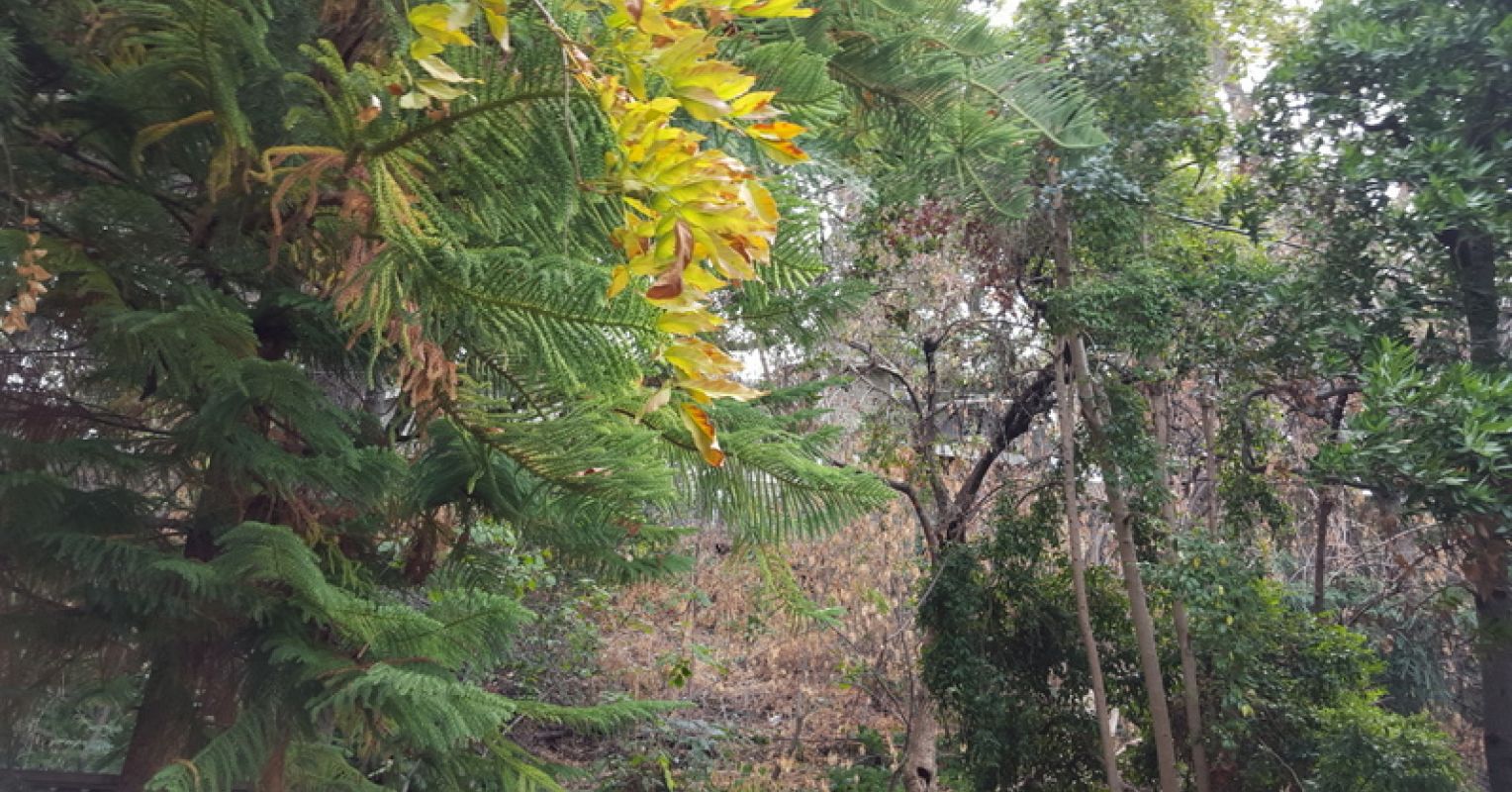
"Research reveals that moments of awe connecting with the beauty and grandeur of nature can silence the brain regions that produce negative self-talk, anxiety, and worry. According to research, experiencing awe can improve our physical health as well, relieving stress, reducing inflammation, and inspiring feelings of joy and interconnectedness."
"Walking in a natural setting has been shown to help relieve depression, and spending 30 minutes walking around and looking at a forest can help people relax, lower their blood pressure, and bring them greater peace of mind."
"Many of us are experiencing the stress of disconnection. British psychologist Steve Taylor described how disconnection can undermine our personal and political health, and former U.S. Surgeon General Vivek Murthy warned of an epidemic of loneliness and isolation in America."
Widespread disconnection from others and the natural world creates significant stress, exacerbated by rapid technological, economic, and political changes alongside the COVID pandemic. However, nature connection offers powerful therapeutic benefits. Experiencing awe in natural settings silences brain regions responsible for negative self-talk and anxiety while reducing inflammation and inspiring joy. Research demonstrates that parks and green spaces substantially improve well-being in urban populations. Walking in forests for just 30 minutes produces measurable physical and mental health improvements, including stress relief, lower blood pressure, and reduced depression. These findings suggest nature engagement provides accessible, evidence-based stress management.
Read at Psychology Today
Unable to calculate read time
Collection
[
|
...
]