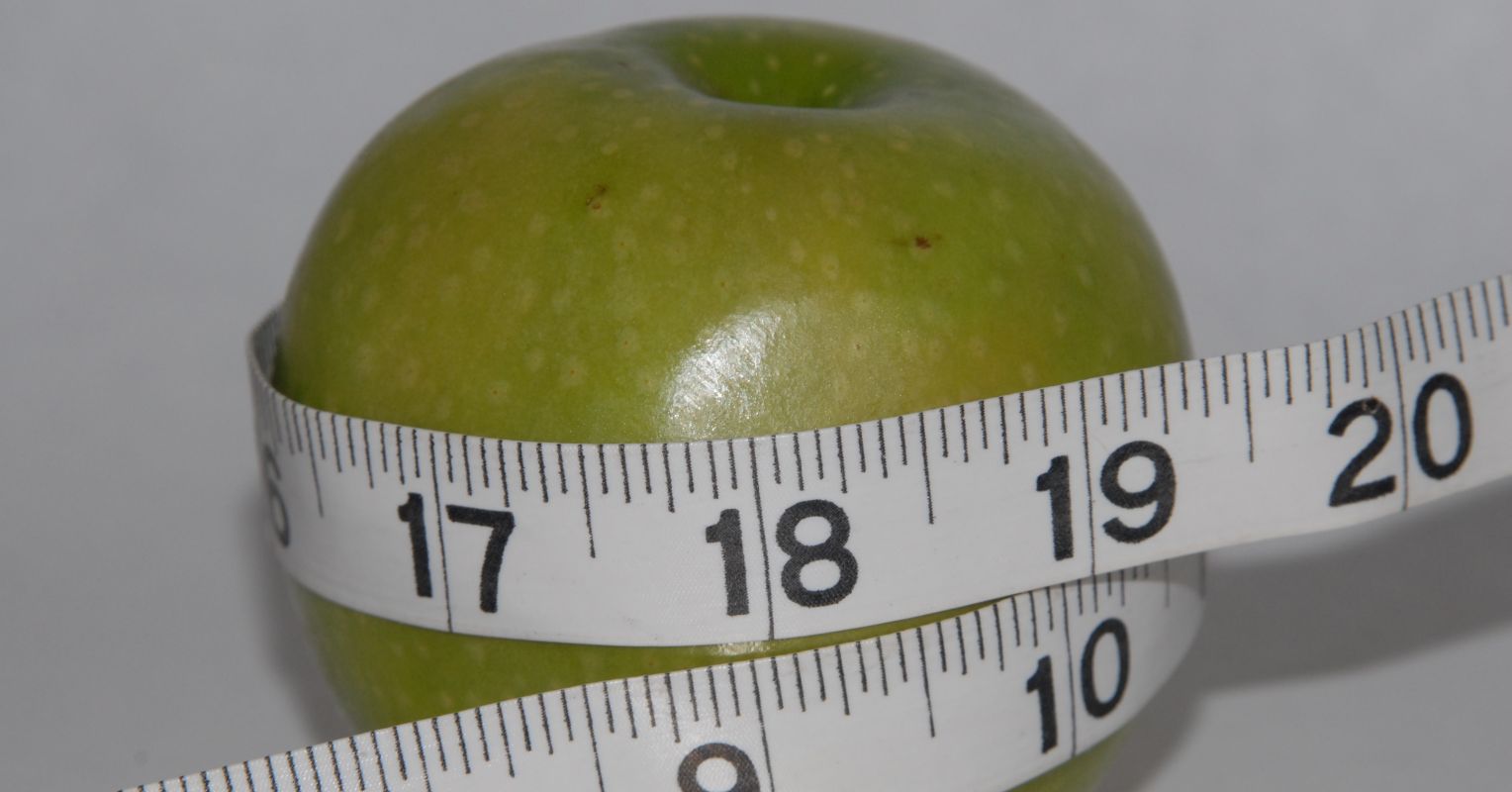
"Countless studies have shown that eating is frequently used to soothe unpleasant emotions like stress or anxiety, boredom, anger, and depression. Emotional eating can take several forms. The most extreme is an eating binge, which is rapidly eating a large amount of food while feeling out-of-control. Binge eating is a feature of Binge Eating Disorder and Bulimia Nervosa. Less pathological and much more common types of emotional eating can be thought of as either emotional snacking or grazing."
"How do you know if you're an emotional eater? Binge eating is usually obvious, but snacking and grazing are more subtle. Here are several questions you can ask yourself: What are the circumstances surrounding your eating? Emotional eating is less likely in the morning, more likely in the afternoon and evening, less likely when other people are around, and more likely when you are alone."
"The typical emotional snack doesn't feel out-of-control like a binge, and less food is consumed. Maybe you've just had a difficult conversation with your partner, and to feel better, you find yourself looking in the refrigerator for something to eat. Grazing isn't a discrete eating event but rather a sequence of small amounts of food consumed over a longer period of time. All afternoon, you're doing an unpleasant or boring chore, so you use frequent eating to break up the monotony."
Eating is frequently used to soothe unpleasant emotions such as stress, anxiety, boredom, anger, and depression. Emotional eating appears as binges, emotional snacking, or grazing. Binge eating involves rapidly consuming large amounts of food while feeling out of control and is characteristic of Binge Eating Disorder and Bulimia Nervosa. Emotional snacking is less intense, often follows upsetting events, and typically involves smaller amounts. Grazing consists of repeatedly eating small amounts over long periods to break up monotony. Emotional eating tends to occur more in afternoons and evenings, when alone, and less during regular meals; identifying triggers can decrease urges.
Read at Psychology Today
Unable to calculate read time
Collection
[
|
...
]