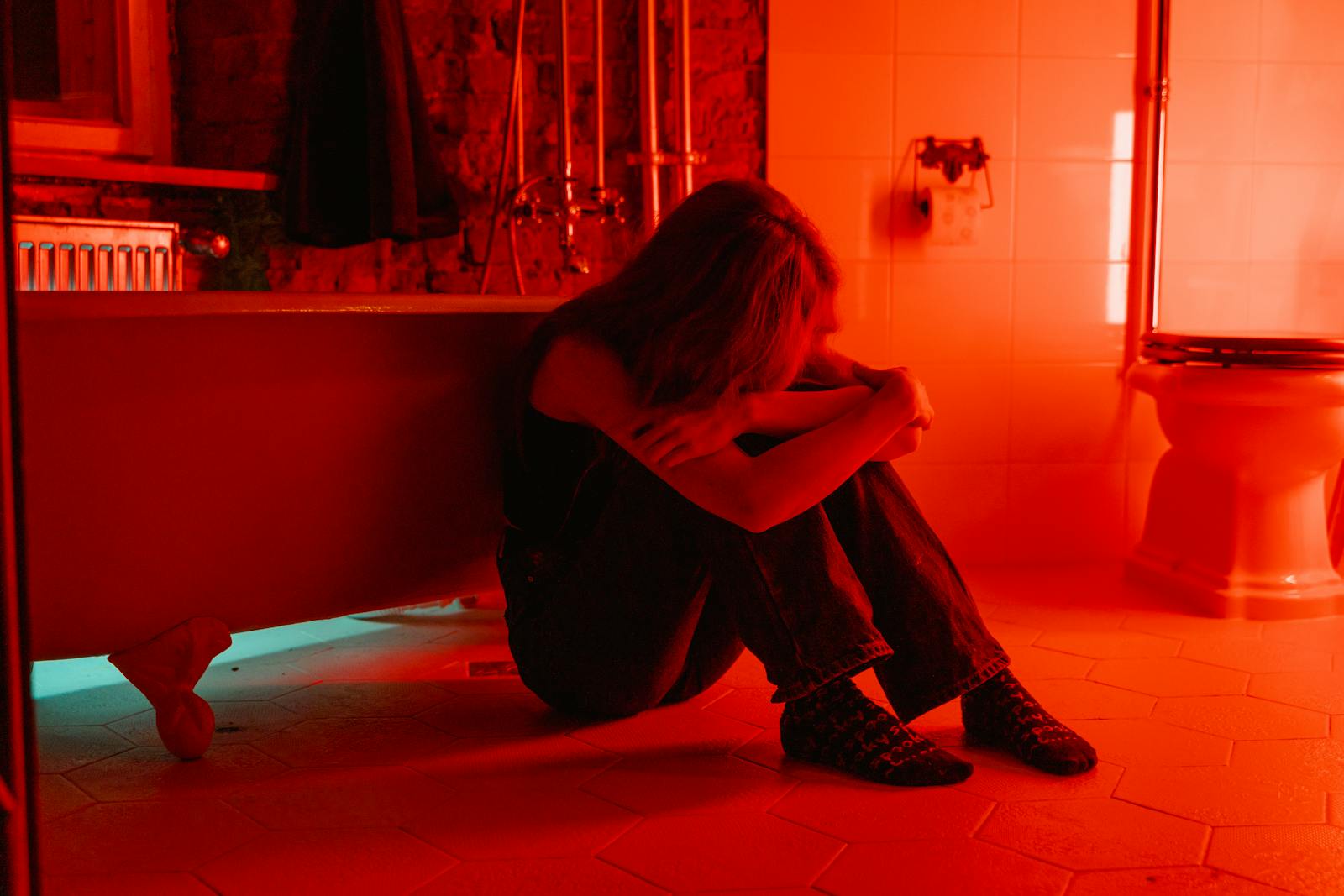
"The children who cried the least in their households were rarely the most resilient. They were the most trained. Somewhere between the ages of four and eight, many of them received a clear message from a caregiver: your emotional expression is a problem I need you to solve. So they solved it. They got quiet. They got "easy.""
"When a child is punished for crying (sent to their room, told to stop or they'll "get something to cry about," mocked, or simply met with cold withdrawal), the takeaway is rarely about the specific event. The child learns a broader rule: expressing pain costs something. That rule gets encoded deep, below language, below conscious memory."
"What's actually happening is a kind of emotional sequencing error. The feeling arises, the body prepares to process it (tears, shaking, seeking comfort), and then the process gets interrupted by threat. The nervous system files the emotion away, unprocessed, in a holding pattern. The child moves on. The body doesn't."
Children punished for crying learn that emotional expression carries a cost, leading them to suppress rather than eliminate feelings. This creates a nervous system pattern where emotions remain unprocessed, filed away in a holding pattern rather than resolved. The distinction between not feeling and not showing is critical—suppression appears as strength externally but represents incomplete emotional development. Research indicates traditional discipline methods involving punishment for emotional expression produce measurable negative long-term effects on emotional development. Unprocessed childhood grief persists in the body and emerges unexpectedly in adulthood during seemingly random moments, such as in showers or cars, without obvious triggers.
#childhood-emotional-suppression #trauma-and-grief-processing #parenting-and-discipline #nervous-system-regulation #adult-mental-health
Read at Silicon Canals
Unable to calculate read time
Collection
[
|
...
]