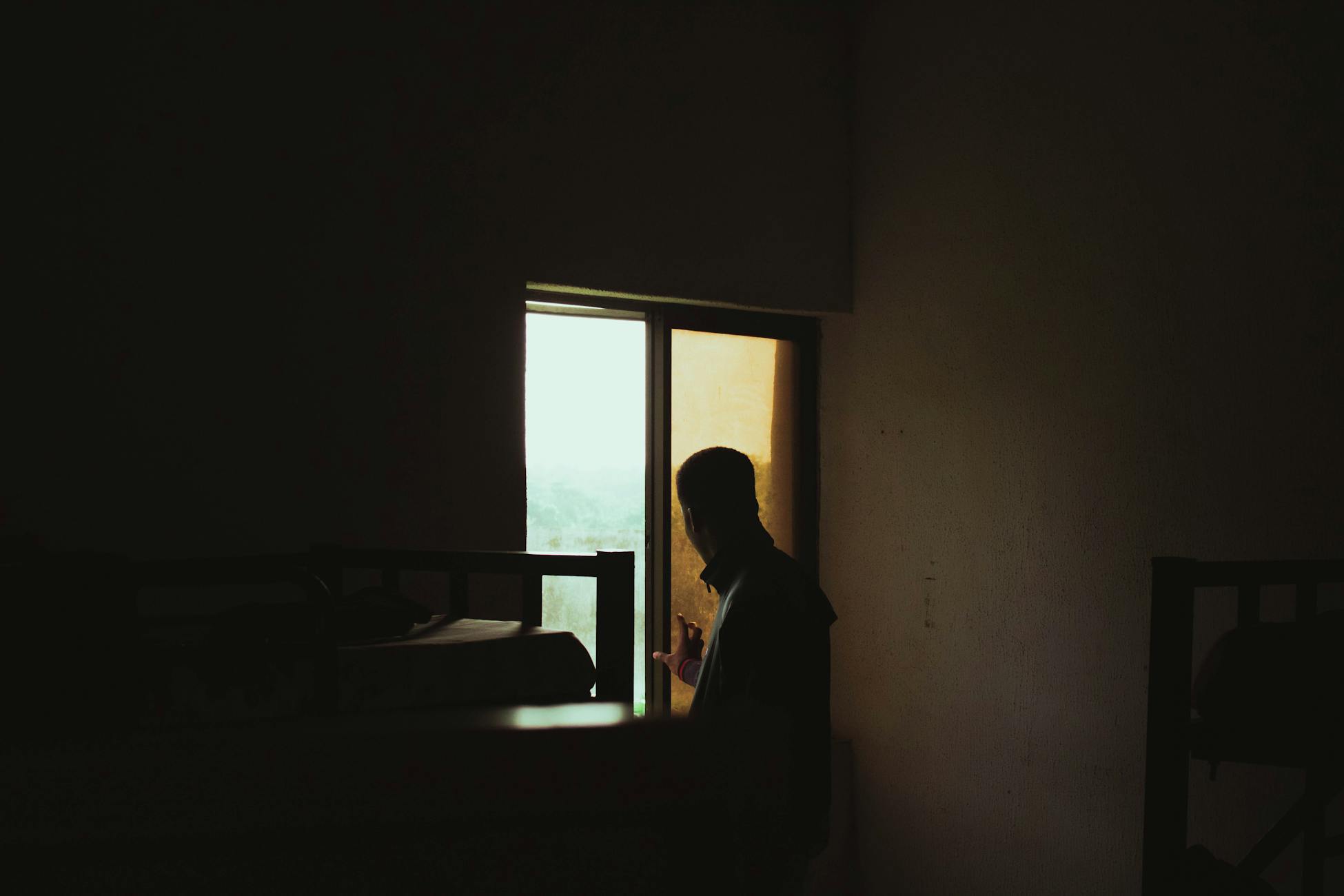
"The conventional wisdom says that loneliness is a young person's problem, that isolation belongs to the chronically online, the socially anxious, the ones who grew up with screens instead of front porches. What I've found, at 66, living in the same South Boston neighborhood I grew up in, is that the opposite is closer to the truth."
"The people born between 1945 and 1965 were given a specific set of instructions about how to survive the world, and they followed those instructions perfectly. The reward for their obedience is a kind of aloneness that doesn't even register as a problem because they were taught that needing people was the problem."
"Their parents came out of the Depression and the war. The lesson handed down wasn't subtle: you handle your own business. You don't air your problems. You earn what you get, and you don't ask for what you haven't earned."
Older Americans, particularly those born between 1945 and 1965, often experience profound loneliness despite societal beliefs that they are socially connected. This generation was raised with the notion that emotional needs are weaknesses, leading to a culture of silence and isolation. Many individuals from this era, like the author's father, adhered to these unspoken rules, resulting in a lack of deep personal connections. The consequences of this upbringing manifest in a quiet, unnoticed loneliness as they age, challenging the stereotype that isolation is primarily a young person's issue.
Read at Silicon Canals
Unable to calculate read time
Collection
[
|
...
]