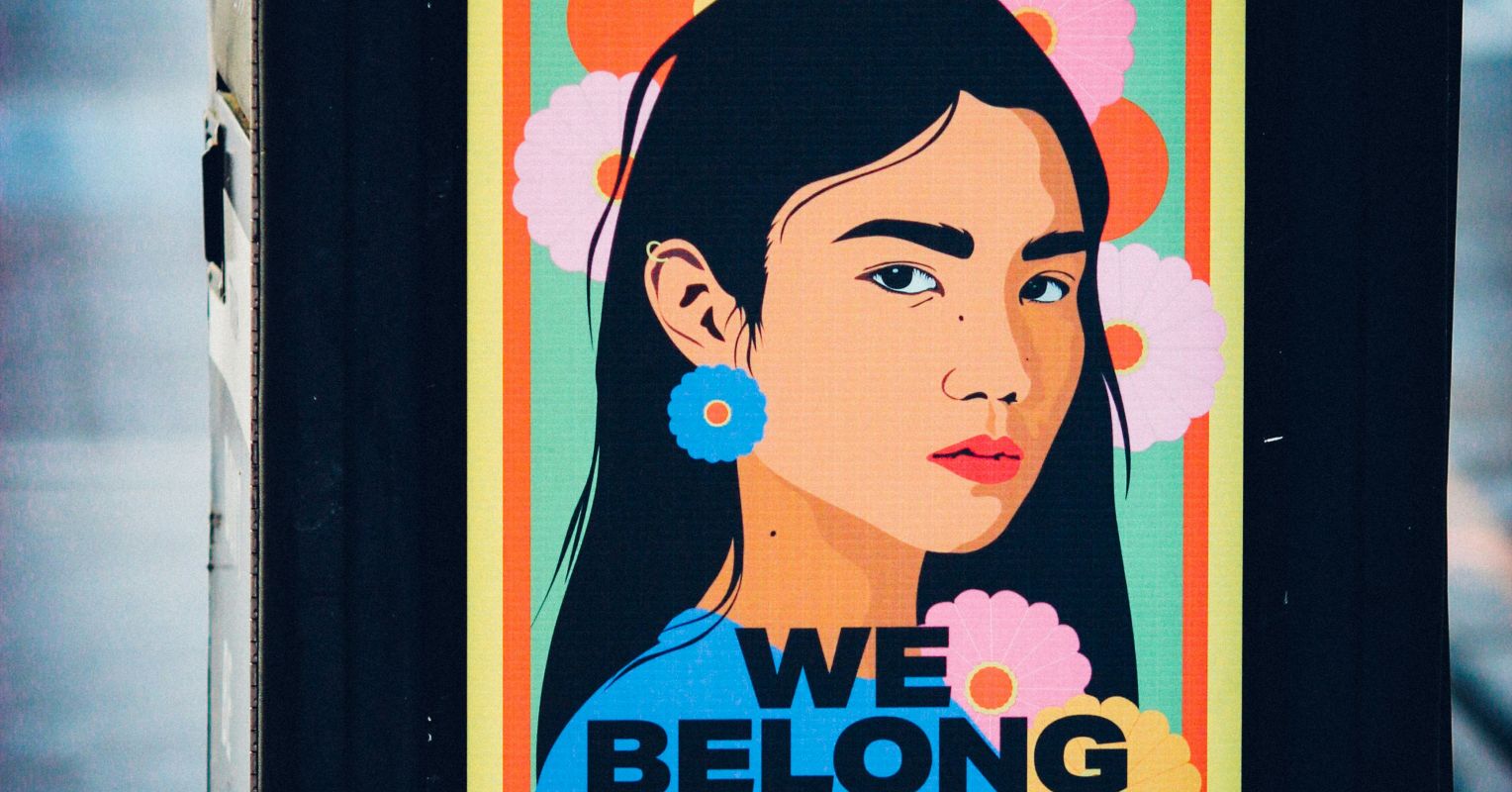
Asian American and Pacific Islander (AAPI) denotes a diverse set of ethnic, cultural, linguistic, and national groups with distinct histories and experiences. AAPI communities nonetheless confront shared racism and discrimination, including stereotypes of being perpetual foreigners and the trivialization and commodification of cultural practices. Justice for AAPI communities involves addressing hate crimes, policy representation, and demographic invisibility, while foundational psychological needs like belonging enable thriving and leadership. Psychological approaches reveal how identity, connection, and community care shape AAPI experiences and family life. Developing critical consciousness and a positive racial or ethnic identity that fosters pride, belonging, and cultural connection promotes resilience. Cultural practices such as language learning, rituals, and family traditions anchor meaning and well-being.
"The Asian American and Pacific Islandercommunity is an umbrella term used in the United States to describe a diverse group of people with ancestry in countries across Asia and the Pacific Islands. Although the term is used broadly, it encompasses dozens of distinct ethnic, cultural, linguistic, and national groups, each with its own history and experiences. Despite this immense diversity, however, Asian American and Pacific Islander (AAPI) communities experience several shared forms of racism and discrimination,"
"Justice for AAPI communities is commonly discussed in terms of hate crimes, policy representation, and demographic invisibility. But beneath those structural concerns lies a psychological truth: justice begins with belonging. When people feel seen, valued, and connected to their cultural roots, they are better able to thrive and lead. Psychology offers powerful tools for understanding how identity, connection, and community care interact to shape the experiences of AAPI individuals and families."
"The Development of Critical Consciousness Supports Well-Being and Leadership For AAPI individuals, identity development is a lifelong, dynamic process shaped by immigration histories, cultural socialization, racism, and the negotiation of multiple social identities. A key part of this process is the formation of a positive racial or ethnic identity-one that includes pride, belonging, and connection to cultural heritage. For AAPI youth, practices such as learning cultural language, participating in community rituals, or maintaining family traditions can anchor a sense of meaning and resilience."
Read at Psychology Today
Unable to calculate read time
Collection
[
|
...
]