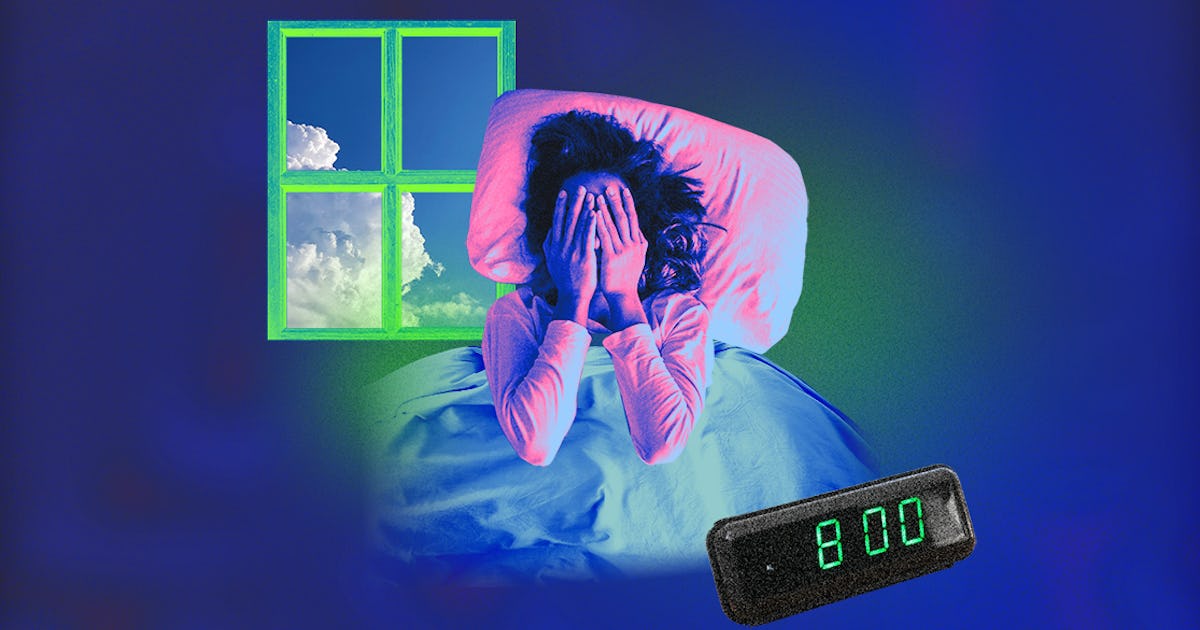
"You did everything right. You went to bed on time. You ditched the doomscrolling. You even got a full eight hours. So why do you still wake up feeling like you barely slept? Nearly one in three adults isn't getting enough rest, and the usual suspects are easy to blame. Screens delay melatonin. Stress keeps the brain buzzing. Late nights quietly become a habit. Any one of these can derail sleep."
"Obstructive sleep apnea affects an estimated 80 million adults in the US, and roughly 1 billion people worldwide. Characterized by periods of breathing interruptions during sleep, obstructive sleep apnea is a sleep-related breathing disorder resulting from repetitive collapse of the upper airway during sleep. When the airway narrows or closes, breathing either becomes dangerously shallow (hypopnea) or stops entirely (apnea). These events reduce oxygen levels in the blood and disrupt normal ventilation, sometimes dozens of times per hour."
Obstructive sleep apnea (OSA) affects hundreds of millions globally and causes repetitive upper airway collapse during sleep, producing partial (hypopnea) or complete (apnea) breathing pauses. These events lower blood oxygen and fragment sleep architecture, causing grogginess despite adequate time in bed. Untreated OSA raises risk for hypertension, heart disease, stroke, and metabolic disorders. Common lifestyle factors such as screen use, stress, and late nights can contribute to poor sleep but persistent daytime fatigue often indicates underlying OSA. Early recognition and treatment of OSA can improve sleep quality and reduce long-term health complications.
Read at Inverse
Unable to calculate read time
Collection
[
|
...
]