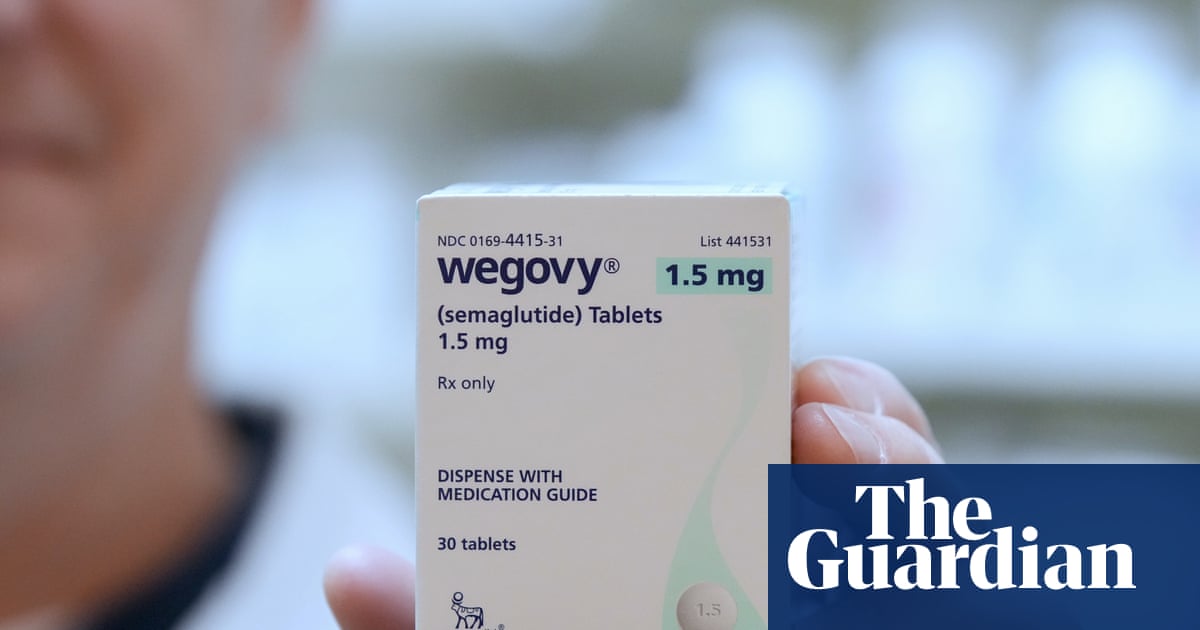
"Analysts believe the arrival of easy-to-take tablets could push weight-loss treatments further into the mainstream in a year that has been described as pivotal for the booming anti-obesity market. The new pills, like the jabs, mimic the gut hormone GLP-1 that regulates appetite. Denmark's Novo set down a marker last month, with the US launch of its daily pill the first oral GLP-1 drug for weight loss."
"The Wegovy pill has got off to a strong start in the US, with 50,000 prescriptions a week by late January, more than for the Wegovy shot after launch in June 2021 and rival jabs at that stage. It was the fastest drug launch ever, according to health analysts at Leerink Partners, after the US regulator FDA gave the green light on 22 December. However, concerns over the price, global supplies and side-effects of treatments persist in the rapidly growing sector, estimated to be worth $200bn (145bn) by the end of the decade."
"Determined to lose weight, Ewert initially lost 16.6kg (37lb) without medications, but quickly put most of it back on, and started taking Zepbound in late July. She shed 22.7kg, enabling her to ditch the seatbelt extender on planes. To be able to shop in the normal shop is a big deal; before I would have to just order clothes, try them on at home and then return them, she says. She switched to the Wegovy pill because her health insurance changed, meaning that she would go from paying $25 a month to $449 a month for Zepbound."
Daily oral GLP-1 pills such as Wegovy are entering the US market and have seen rapid uptake, promising easier use than injections. These drugs mimic the gut hormone GLP-1 to regulate appetite and may help mainstream weight-loss treatments. Novo Nordisk's Wegovy pill reached about 50,000 prescriptions per week shortly after FDA approval on 22 December, marking one of the fastest drug launches. Patients report significant weight loss and improved daily activities after switching from injections. Persistent issues include high cost, insurance access, limited global supplies, and potential side-effects. The sector could be worth roughly $200bn by the decade's end.
Read at www.theguardian.com
Unable to calculate read time
Collection
[
|
...
]