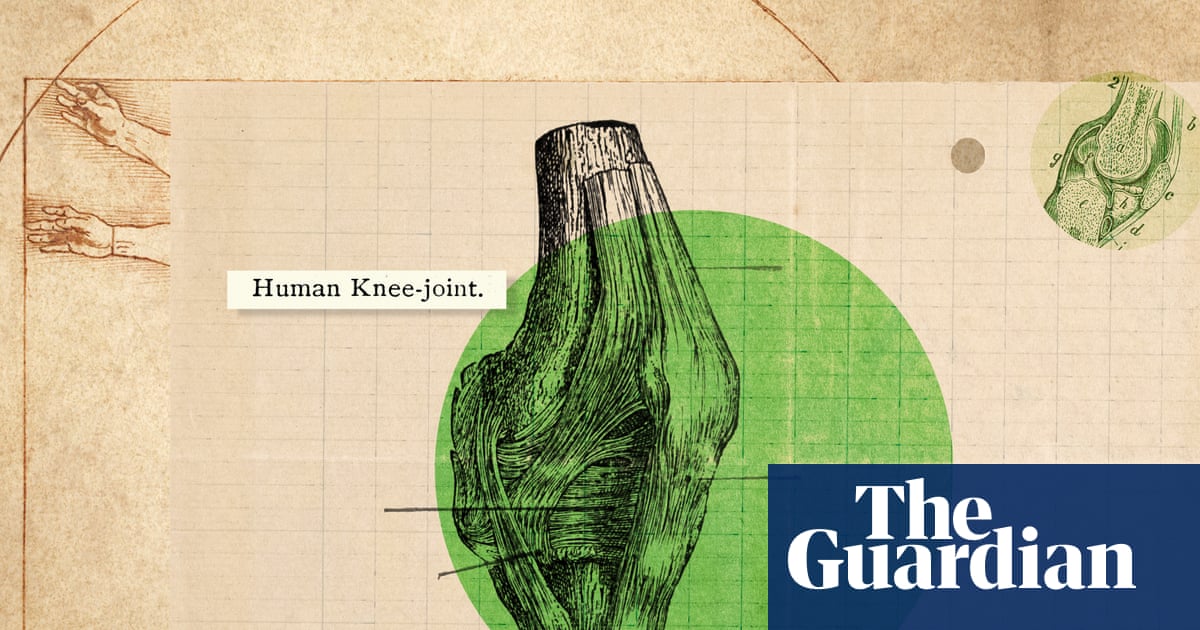
"It carries most of the weight of the body, and being a hinge joint, it means that it doesn't have a nice socket structure, says physiotherapist Dr Jillian Eyles, from the University of Sydney. It relies on the ligaments and the joint capsules and the muscles around it to really stabilise the joint, and it's fairly easy to injure compared to another joint that's more supported."
"It is possible to reduce the risk of knee injuries like this by warming up properly before activity, says physiotherapist Dr Kathryn Mills, from Kensington Physiotherapy and Macquarie University in Sydney. That's not going for a run and stretch it's doing a designed program that is designed to train both how your muscles are working, the extent to which they're working, and how your brain is turning on those muscles, she says."
The knee is a weight-bearing hinge joint that lacks a socket and relies on ligaments, joint capsules, and surrounding muscles for stability, making it vulnerable to injury. Tears of the anterior cruciate ligament are common and substantially raise the risk of developing knee osteoarthritis at a younger age. Structured warm-up and neuromuscular training programs that train muscle activation and control—such as squats, walking lunges, running with high knees, and lateral jumps—help reduce ACL injury risk. Maintaining a healthy body weight lowers joint load and long-term cartilage damage. Strengthening and rehabilitation of periarticular muscles improve stability and reduce surgical needs.
Read at www.theguardian.com
Unable to calculate read time
Collection
[
|
...
]