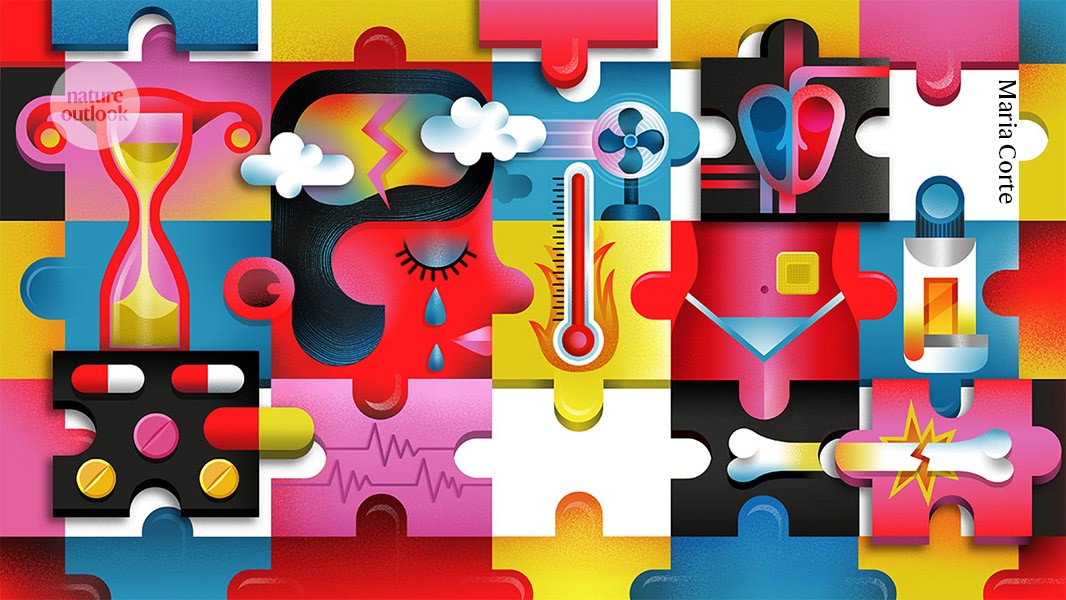
"They said they would see a GP for some issues, a gynaecologist or dermatologist for others. I realized they were not connecting that all of these symptoms are coming from one collective situation, which is perimenopause. Perimenopause is when debilitating symptoms such as hot flushes and 'brain fog' can be the most severe."
"Retrospectively, menopause is easy to identify as 12 consecutive months without menstrual bleeding, but it's harder to pin down while it's happening. There is no clear biomarker or diagnostic test for perimenopause, and symptoms are highly individual. We're not good at treating perimenopause because we don't completely understand it."
"Because most menopause research has focused on the years after periods stop, clinicians have little trial-based guidance for treating women whose hormone levels are still fluctuating. The result is a landscape in which medical practice, public messaging and women's expectations are all evolving faster than the research evidence is."
Perimenopause, the hormonally turbulent years preceding a woman's final menstrual period around age 50, presents significant clinical challenges due to the absence of clear biomarkers or diagnostic tests. Unlike menopause, which is retrospectively defined as 12 consecutive months without menstrual bleeding, perimenopause is difficult to identify while occurring. Symptoms vary widely among individuals and often affect multiple body systems—including sleep, hair, libido, and hot flushes—leading women to seek care from different specialists who may not recognize these as interconnected manifestations of one condition. Most menopause research has focused on post-menopause years, leaving clinicians with limited trial-based evidence for treating women experiencing fluctuating hormone levels. This scientific uncertainty creates a gap where medical practice, public messaging, and patient expectations evolve faster than supporting research evidence.
Read at Nature
Unable to calculate read time
Collection
[
|
...
]