Catalogue entries for more than 100 Thermo Fisher Scientific antibodies include images that appear to have been manipulated. Researchers documented 127 problematic images in a database on 28 May. The issues range from minor edits that make images look better to extensive changes that raise concerns about data soundness. The images are used in the catalogue to demonstrate antibody quality and performance. Image alteration does not automatically indicate that the antibodies are defective. Antibodies are widely used to bind and track specific proteins, and concerns about commercial antibody reliability have persisted. A 2023 eLife survey reported that more than half of 614 commercial antibodies did not work as specified. Thermo Fisher stated it has initiated a comprehensive internal review and will inform users when original images are unavailable and images may have been optimized for presentation and clarity.
"Catalogue entries for more than 100 antibodies sold by the research services and supply company Thermo Fisher Scientific contain images that have apparently been manipulated, according to a pair of researchers who specialize in scientific integrity issues. On 28 May, the researchers documented their findings online in a database that includes 127 “problematic images” associated with the company's antibodies. Issues with the images - which are included in the catalogue to demonstrate antibodies' quality and performance - range from minor alterations that make the images look nicer to extensive changes that raise questions of data soundness."
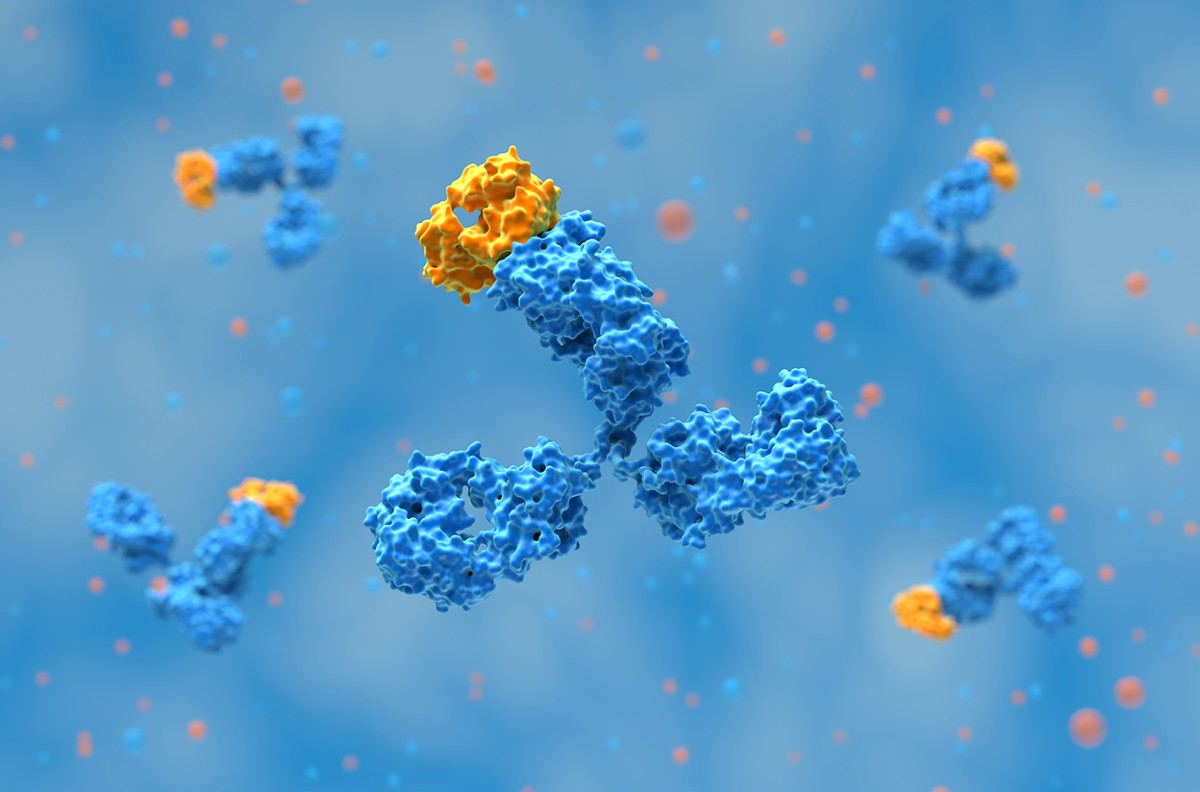
"Science sleuths have uncovered numerous manipulations in images from published scientific papers, but the latest discoveries are the first set of issues found in a vendor catalogue. Image alteration does not necessarily mean the underlying products are defective. Antibodies - specialized Y-shaped biomolecules - are a crucial tool for researchers in the biological sciences, who use them in experiments to bind to and track specific proteins."
"But for decades, scientists have complained about the quality and performance of antibodies sourced from commercial suppliers, calling it a reliability crisis. A 2023 eLife survey of 614 commercial antibodies found that more than half of them did not work as specified. “We take this matter seriously and have initiated a comprehensive internal review,” says Sandy Pound, the chief communications officer for Thermo Fisher."
"“Moving forward, where an original image is not present or available, we will ensure that website users are informed that antibody images may have been optimized for presentation and clarity on the website.” Since the sleuths posted their findings online, some researchers have been asking whether companies are not carefully validating their pro"
#scientific-integrity #image-manipulation #antibody-reliability #vendor-catalogues #research-reproducibility
Read at Nature
Unable to calculate read time
Collection
[
|
...
]