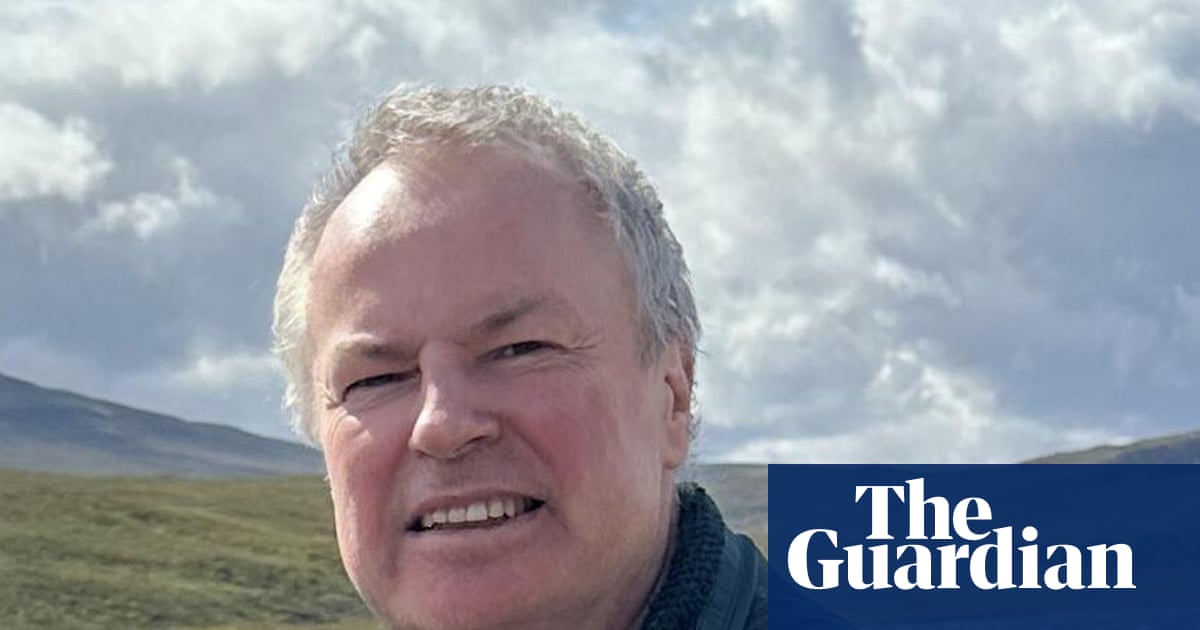
"Peer pioneered the computational analysis of the human microbiome, introducing the concept of gut enterotypes in work that was highlighted in many newspaper articles as well as on the radio and TV. He went on to study microbial ecosystems worldwide and, at the time of his death, was involved in expanding a consortium that he had initiated to systematically document coastal ecosystems in Europe."
"All these studies required the creation of bioinformatics tools software and curated datasets which are now widely used by the scientific community in academia and industry. Peer was born in the former East Berlin, where his father, Joachim, worked in economic statistics, and his mother, Regina, had an administrative job in the construction industry."
"During his career, he progressed from the statistical analysis of the sequences of individual protein molecules, via the analysis of the human genome, to the bioinformatics analysis of whole microbial communities. Peer was a bioinformatician with a remarkable ability to identify new directions in science and carry out world-class research to push them forward."
"After the fall of the Berlin Wall in 1989, Peer joined the European Molecular Biology Laboratory (EMBL) in Heidelberg in 1991 as a visiting scientist. He and I met there and married in Canterbury, Kent, in 1994. We had two sons, Udo and Robin, and family life involved many trips between Germany and Britain."
Peer Bork was a bioinformatician who identified new scientific directions and produced world-class research. His work progressed from statistical analysis of individual protein molecule sequences to analysis of the human genome, and then to bioinformatics analysis of whole microbial communities. He pioneered computational analysis of the human microbiome and introduced the concept of gut enterotypes, gaining broad public attention. He studied microbial ecosystems worldwide and, at the time of his death, expanded a consortium to systematically document coastal ecosystems in Europe. These efforts required creating bioinformatics tools and curated datasets that became widely used in academia and industry. He was born in former East Berlin, studied biochemistry at the University of Leipzig, completed a PhD in bioinformatics in Berlin, and joined EMBL in Heidelberg in 1991.
Read at www.theguardian.com
Unable to calculate read time
Collection
[
|
...
]